A pair of shoes can look great and still feel uncomfortable if the lacing system creates pressure, slips during movement, or takes too long to adjust. Elastic laces offer a practical solution by allowing footwear to flex with the foot while maintaining a secure fit. For children, adults, athletes, and busy professionals, Kwik Lace can make everyday shoes easier to wear, adjust, and enjoy without repeatedly stopping to retie them.
What Are Elastic Laces?
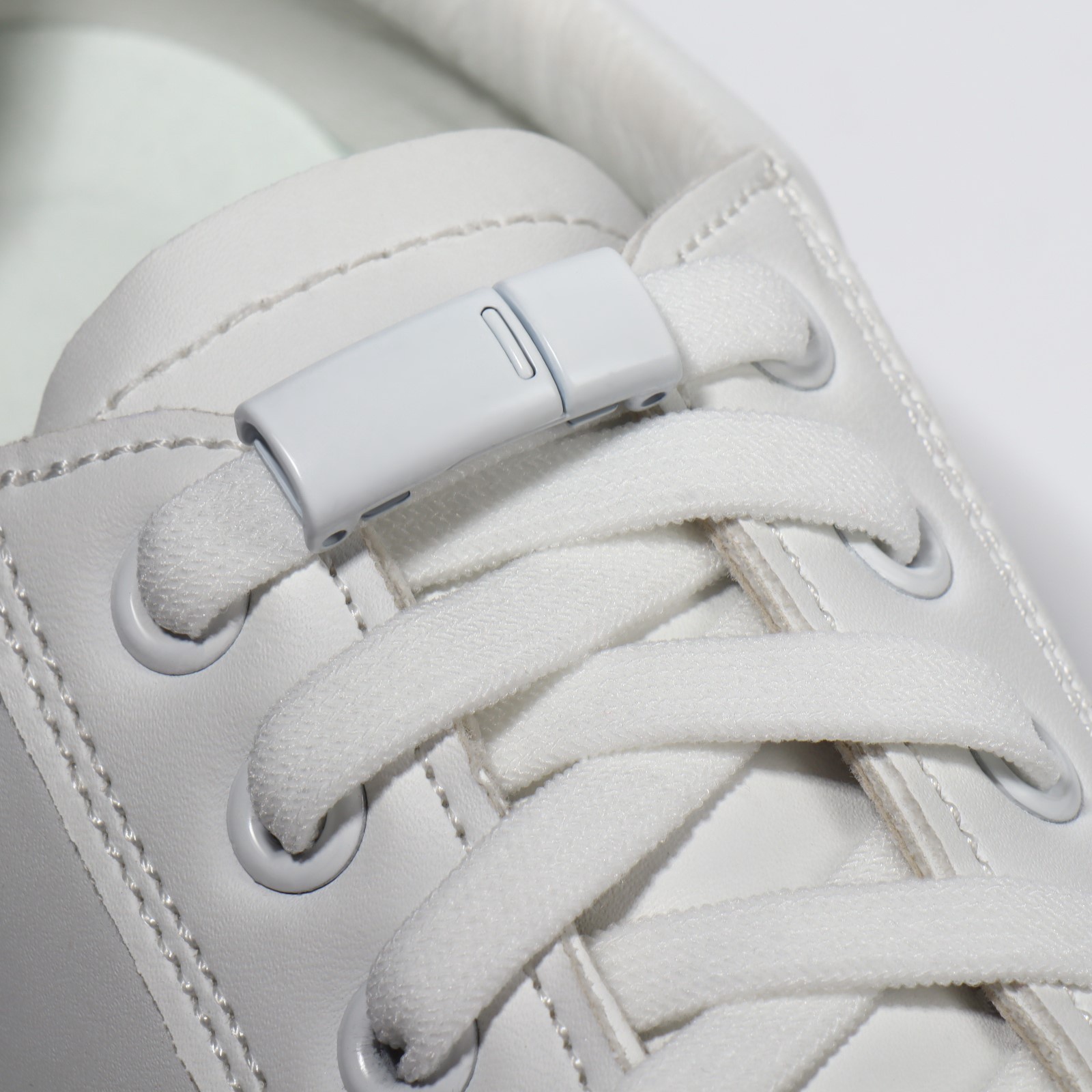
Elastic laces are designed with flexible materials that stretch as the foot moves. Unlike traditional shoelaces, which depend on a fixed knot and manual tightening, elastic options can provide a more adaptable fit.
This flexibility allows the shoe to accommodate natural changes in foot position throughout the day. As a result, wearers can experience less restriction while walking, standing, exercising, or performing everyday activities.
Elastic laces come in different designs, lengths, textures, and locking systems. Some are made for athletic shoes, while others work well with casual footwear, children’s shoes, walking shoes, and work sneakers.
How Elastic Laces Improve Everyday Comfort
Comfort depends on more than soft cushioning or a well-designed sole. The way a shoe fits around the foot also affects how comfortable it feels during extended wear.
Elastic laces can improve this experience in several practical ways.
They Allow Natural Foot Movement
Feet do not remain the same shape while walking. They expand slightly under pressure, and the amount of movement can change depending on the activity.
A flexible lace system can move with the foot instead of keeping the upper tightly fixed in one position. This can make shoes feel less restrictive during normal movement.
They Reduce Pressure From Tight Lacing
Traditional laces can sometimes become too tight, particularly when they are pulled aggressively. Excessive tension may create uncomfortable pressure across the top of the foot.
Elastic designs provide some flexibility when the foot moves. This can help distribute pressure more comfortably rather than keeping the lacing completely rigid.
They Help Maintain a Consistent Fit
Loose laces can make a shoe feel unstable, while overly tight laces can become uncomfortable. Elastic systems aim to provide a middle ground by allowing controlled flexibility.
A consistent fit is particularly useful for people who spend many hours on their feet. Instead of frequently stopping to adjust their shoes, they can maintain a comfortable fit throughout the day.
Why Elastic Laces Are Useful for Different Wearers
One of the biggest advantages of flexible lacing systems is their versatility. They can solve different footwear problems depending on the person wearing them.
| User | Common Footwear Challenge | How Elastic Laces Can Help |
|---|---|---|
| Children | Difficulty tying shoes | Makes shoes easier to put on and remove |
| Seniors | Limited hand flexibility | Reduces repeated tying and adjustment |
| Athletes | Changing foot movement | Provides a flexible and secure fit |
| Professionals | Long hours wearing shoes | Improves convenience during the day |
| Travelers | Frequent shoe removal | Makes footwear easier to adjust |
| Casual Wearers | Loose or tight laces | Offers adaptable everyday comfort |
This flexibility makes elastic lacing systems useful across many footwear categories.
How Elastic Laces Make Shoes Easier to Put On
Putting on shoes should not become a daily struggle. However, traditional shoelaces often require several steps before a shoe is ready to wear.
Elastic systems can simplify the process because the laces can stretch enough to allow the foot to enter without completely loosening and retightening them.
This feature is especially helpful for children. Parents may spend less time tying shoes before school, sports practice, or family outings.
Adults can also benefit when they are rushing to work, leaving the gym, or preparing for a busy day.
A Helpful Option for Children
Young children often need time to develop the coordination required to tie traditional laces correctly. Loose knots can come undone, while overly tight knots may be difficult to untie.
A flexible lacing system can reduce these problems. Children can focus more on getting ready independently instead of repeatedly stopping to manage their footwear.
Added Convenience for Older Adults
Footwear should be easy to manage regardless of age. People with reduced hand flexibility may find repeated knot tying uncomfortable or inconvenient.
Elastic laces can minimize the need for frequent manual adjustments. Once properly fitted, they can make everyday shoes simpler to handle.
Elastic Laces and Active Lifestyles
People who walk, run, train, or participate in recreational activities often need footwear that stays secure while allowing natural movement.
A good lacing system should keep the shoe comfortably positioned without creating unnecessary restriction. Elastic materials can provide the flexibility needed when the foot moves through different stages of activity.
However, the right tension still matters. Laces that are too loose may reduce stability, while excessive tension can create pressure. Therefore, users should adjust the system according to their footwear and activity.
Useful for Walking
Walking involves thousands of repeated movements. Even small areas of discomfort can become noticeable during a long walk.
Flexible laces can help the shoe accommodate normal foot movement. Combined with suitable cushioning and proper sizing, they can contribute to a more comfortable walking experience.
Useful for Everyday Exercise
For light workouts, gym sessions, and recreational activities, flexible footwear can make movement feel more natural.
The ideal setup depends on the shoe, activity, and individual foot shape. Elastic laces should complement a properly fitted shoe rather than compensate for an incorrect size.
How to Choose the Right Elastic Lace System
Not every lace works equally well with every shoe. Before replacing traditional laces, consider several factors.
Check the Shoe Type
Look at the footwear where the laces will be installed. Running shoes, casual sneakers, children’s shoes, and work footwear may require different lace lengths and designs.
Choose a system that fits the number and spacing of the eyelets. A correct fit helps prevent excessive looseness or unwanted pressure.
Consider the Level of Stretch
Elasticity is important, but more stretch is not automatically better. A lace should provide enough flexibility without allowing the shoe to move excessively around the foot.
Think about how you normally use the shoes. Casual footwear may need a different level of flexibility than shoes used for exercise.
Look at the Closure System
Some elastic laces use locking mechanisms, while others rely on traditional knots or specialized adjustments.
A simple closure can be useful for everyday shoes, especially when convenience is a priority. For active footwear, a secure adjustment system may be more appropriate.
Choose a Suitable Length
Measure the original laces before purchasing replacements. Using the correct length makes installation easier and helps maintain the intended fit of the shoe.
If the lace is too short, it may create unnecessary tension. If it is too long, excess material can become inconvenient.
Tips for Getting the Best Comfort
Even high-quality elastic laces need proper adjustment. A few simple steps can improve the overall experience.
- Start with the correct lace length for your footwear.
- Keep tension comfortable rather than extremely tight.
- Make sure both sides are adjusted evenly.
- Walk around after installation to check the fit.
- Test the shoes during your normal activity.
- Re-adjust if the foot slides excessively.
- Replace worn laces when elasticity or structural strength decreases.
It is also important to remember that comfort begins with the shoe itself. Elastic laces can improve convenience and flexibility, but they cannot fix footwear that is fundamentally too small, too large, or poorly shaped for the wearer.
Common Problems Elastic Laces Can Solve
Many everyday footwear complaints are related to inconvenient lacing rather than the shoe itself.
For example, someone may repeatedly stop to retie loose laces during a walk. Another person may tighten their shoes too much because they are concerned about slipping.
Elastic laces can address these situations by providing a more adaptable connection between the foot and the shoe.
They can also reduce the hassle of removing and putting on shoes throughout the day. This is especially convenient for people who frequently enter places where footwear needs to be removed.
Why Proper Shoe Fit Still Matters
Elastic laces should support a properly fitted shoe, not replace one. A shoe that is too narrow, too short, or poorly shaped can remain uncomfortable even with a flexible lacing system.
When choosing footwear, consider the length and width of the shoe, the shape of the toe box, the cushioning, and the intended activity.
After selecting the right shoe, adjust the laces so the foot feels secure without unnecessary pressure. This combination can provide a more balanced and comfortable experience.
Maintaining Elastic Laces for Long-Term Use
Like other footwear components, elastic laces can wear over time. Frequent stretching, exposure to moisture, dirt, and repeated use can gradually affect their performance.
Keep laces clean according to the manufacturer’s care instructions. Avoid exposing them to unnecessary heat or harsh cleaning products unless the product specifically allows it.
Inspect the laces occasionally for fraying, damaged locking components, or reduced elasticity. Replacing worn components can help maintain a secure fit.
Elastic Laces vs. Traditional Laces
Both traditional and elastic laces have practical advantages. Traditional designs allow highly personalized tension and are familiar to most footwear users.
Elastic systems, however, focus more heavily on flexibility and convenience. The better option depends on the footwear, activity, and personal preferences.
| Feature | Elastic Laces | Traditional Laces |
|---|---|---|
| Flexibility | High | Moderate |
| Ease of use | Generally simple | Requires tying |
| Quick adjustment | Convenient | Requires manual adjustment |
| Child-friendly | Often easier | Requires tying skills |
| Custom tension | Moderate to high | High |
| Everyday convenience | High | Moderate |
| Activity suitability | Depends on design | Broadly versatile |
Neither system is suitable for every situation. The key is matching the lacing style to the needs of the wearer.
Practical Ways to Make Everyday Footwear More Comfortable
Small changes can make a noticeable difference in how shoes feel throughout the day.
First, choose the correct shoe size and allow enough room for natural toe movement. Next, adjust the lacing system evenly so one side is not significantly tighter than the other.
Finally, pay attention to how the footwear feels after several hours rather than judging comfort after only a few minutes. A shoe that feels comfortable initially may create pressure later as the feet naturally change during the day.
Flexible laces can be part of this approach. When combined with suitable footwear, proper sizing, and thoughtful adjustment, they can make daily shoe use more convenient.
When Should You Replace Elastic Laces?
There is no universal replacement schedule because durability depends on usage, materials, and care. However, visible damage is a clear reason to inspect or replace a lace system.
Watch for signs such as:
- Frayed or broken material
- Reduced elasticity
- Damaged locking components
- Difficulty maintaining tension
- Uneven stretching
- Visible wear around the eyelets
Replacing worn laces before they fail completely can prevent unnecessary inconvenience.
Conclusion
Comfortable footwear should make daily movement easier rather than create another problem to manage. Elastic laces provide flexibility, convenience, and a more adaptable fit for many types of shoes and wearers. They can be especially useful for children, active adults, older users, travelers, and anyone who wants to spend less time adjusting their footwear. Still, the best results come from pairing a suitable lace system with properly sized, supportive shoes. By choosing the right length, maintaining comfortable tension, and checking the fit regularly, wearers can enjoy a simpler and more comfortable everyday footwear experience.
Frequently Asked Questions
Are elastic laces more comfortable than traditional laces?
Elastic laces can feel more comfortable because they allow some flexibility as the foot moves. However, comfort depends on the shoe, lace tension, foot shape, and individual preference.
Can children use elastic laces?
Yes. Elastic laces can be particularly convenient for children who are still learning how to tie traditional laces. They can make putting on and removing shoes simpler.
Are elastic laces suitable for athletic shoes?
Many elastic laces can work with athletic shoes, but the design and activity matter. For running or intense exercise, choose a system that provides adequate security and matches the shoe manufacturer’s intended use.
How tight shouldng do elastic laces last?
Their lifespan depends on material quality, frequency of use, activity level, and care. Replace them when they become frayed, lose significant elasticity, or can no longer maintain a secure fit.
How long do elastic laces last?
Their lifespan depends on material quality, frequency of use, activity level, and care. Replace them when they become frayed, lose significant elasticity, or can no longer maintain a secure fit.