

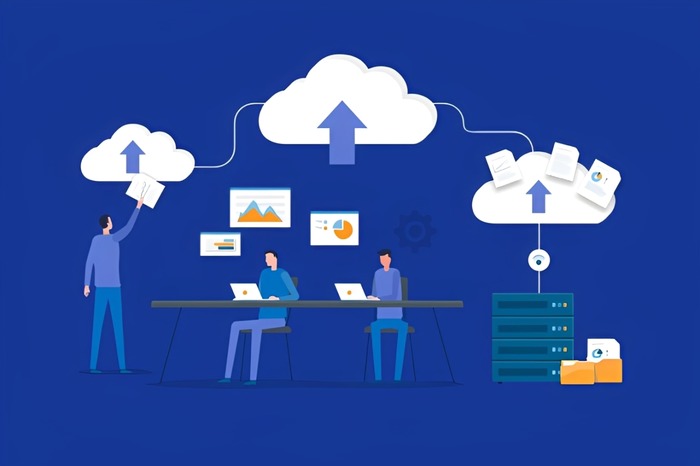
In today’s rapidly evolving digital landscape, organizations are increasingly moving their IT infrastructure to the cloud to improve efficiency, flexibility, and scalability. Cloud technology enables businesses to store data, run applications, and manage workloads in a more secure and cost-effective environment. However, migrating systems from traditional on-premise infrastructure to the cloud requires careful planning and technical expertise. This is why many organizations rely on professional cloud migration services to ensure a smooth and secure transition.
Cloud migration is not just about transferring data to another platform. It involves analyzing existing systems, designing a migration strategy, ensuring data security, and optimizing applications for cloud environments. When done correctly, cloud migration services can significantly improve business performance and operational agility.
What Are Cloud Migration Services?
Cloud migration refers to the process of transferring data, applications, databases, and other business workloads from local servers or legacy systems to cloud-based infrastructure. This migration can involve moving to public cloud platforms, private cloud environments, or hybrid cloud systems.
Professional cloud migration services help organizations plan and execute this transition with minimal risk. These services typically include infrastructure assessment, migration planning, data transfer, application optimization, and ongoing cloud support.
By leveraging expert migration services, businesses can avoid common challenges such as downtime, data loss, and security vulnerabilities during the transition process.
Key Benefits of Cloud Migration
Here are some benefits of Cloud migration services:
1. Cost Reduction
One of the primary reasons organizations adopt cloud technology is the potential for significant cost savings. Traditional IT infrastructure requires expensive hardware, maintenance, upgrades, and physical storage space.
Cloud environments eliminate the need for large upfront investments and allow businesses to pay only for the resources they use. This flexible pricing model helps companies reduce operational costs and allocate resources more efficiently.
2. Scalability and Flexibility
Cloud platforms provide businesses with the ability to scale their resources according to demand. Companies can quickly increase computing power or storage capacity during periods of high activity and reduce resources when demand decreases.
This level of scalability ensures that businesses can adapt quickly to changing market conditions without investing in additional hardware.
3. Improved Data Security
Data security is a critical concern for organizations managing sensitive information. Leading cloud providers implement advanced security measures such as encryption, access control, identity management, and continuous monitoring.
With properly implemented cloud migration services, businesses can enhance their security framework while protecting valuable data from cyber threats and unauthorized access.
4. Better Disaster Recovery
Cloud infrastructure improves disaster recovery capabilities by storing data across multiple servers and geographic locations. In case of hardware failure or unexpected disruptions, businesses can quickly recover their data and restore operations.
This level of reliability ensures business continuity and reduces the risk of costly downtime.
5. Increased Operational Efficiency
Cloud environments allow organizations to automate many routine tasks such as system updates, software deployments, and data backups. Automation reduces manual workload for IT teams and allows them to focus on strategic initiatives that drive business growth.
Developing a Successful Cloud Migration Strategy
A well-defined migration strategy is essential for ensuring a smooth transition to cloud environments. Organizations must evaluate their current infrastructure, identify potential risks, and develop a clear migration roadmap.
1. Infrastructure Assessment
Before migrating to the cloud, businesses should analyze their existing IT environment. This includes identifying applications, databases, and workloads that need to be migrated.
An infrastructure assessment helps determine which systems can be moved directly to the cloud and which require modification or modernization.
2. Selecting the Right Cloud Model
Businesses can choose from several cloud deployment models depending on their requirements:
- Public Cloud: Resources shared across multiple organizations through a cloud provider.
- Private Cloud: Dedicated infrastructure designed for a single organization.
- Hybrid Cloud: A combination of on-premise infrastructure and cloud services.
Choosing the right cloud model ensures that businesses maintain the appropriate balance between security, performance, and cost efficiency.
3. Creating a Migration Roadmap
A migration roadmap outlines the steps required to move systems to the cloud. It includes timelines, resource allocation, risk management strategies, and testing procedures.
Working with experienced cloud migration services providers helps organizations design a structured roadmap that minimizes disruptions and ensures successful implementation.
Best Practices for Cloud Migration
Here are some good practices:
1. Start with a Pilot Project
Instead of migrating all applications at once, organizations should begin with a smaller pilot project. This approach allows teams to test the migration process, identify potential issues, and refine their strategy before executing a full migration.
2. Ensure Data Protection
Data protection should remain a top priority during migration. Implementing encryption, secure transfer protocols, and strong access controls ensures that sensitive data remains protected throughout the migration process.
3. Optimize Applications for Cloud Environments
Some legacy applications may not perform efficiently in cloud environments without modifications. Businesses should optimize or modernize applications to ensure they fully benefit from cloud capabilities.
4. Continuous Monitoring
After migration, continuous monitoring helps ensure optimal system performance. Monitoring tools allow businesses to detect performance issues, security threats, and configuration errors before they impact operations.
5. Employee Training
Cloud technology introduces new tools and processes. Providing training programs for employees and IT teams ensures they understand how to manage and utilize cloud systems effectively.
Common Cloud Migration Challenges
Despite its many benefits, cloud migration can present several challenges if not managed properly.
1. Data Migration Complexity
Transferring large volumes of data to the cloud can be time-consuming and technically complex. Businesses must use reliable tools and strategies to ensure safe data transfer.
2. Compatibility Issues
Some legacy systems may not be compatible with modern cloud platforms. Organizations may need to update or redesign these systems before migration.
3. Security Concerns
Maintaining security during the migration process is essential. Businesses must ensure proper encryption, authentication, and monitoring mechanisms are in place to protect sensitive information.
4. Managing Downtime
Poor migration planning can result in system downtime that disrupts business operations. Proper scheduling, testing, and backup strategies are necessary to reduce downtime risks.
Future of Cloud Migration
As technology continues to evolve, cloud computing will play an even greater role in business operations. Emerging technologies such as artificial intelligence, big data analytics, and Internet of Things (IoT) are increasingly being integrated with cloud platforms.
Organizations that adopt cloud technology today will be better positioned to leverage these innovations in the future. Cloud infrastructure not only supports current business needs but also enables companies to adapt to future technological advancements.
Conclusion
Cloud migration has become an essential step for organizations seeking to modernize their IT infrastructure and improve operational efficiency. By implementing the right strategy and following proven best practices, businesses can successfully transition their applications and data to secure and scalable cloud environments.
Professional cloud migration services help organizations manage every stage of the migration journey, from initial planning and infrastructure assessment to data transfer and performance optimization.
For businesses looking to achieve a seamless and secure cloud transformation, partnering with an experienced provider is crucial. GeoPITS delivers reliable expertise and advanced solutions to support organizations in their cloud journey, ensuring efficient and secure cloud migration services that help businesses scale, innovate, and succeed in today’s digital world.






















Leave a Reply