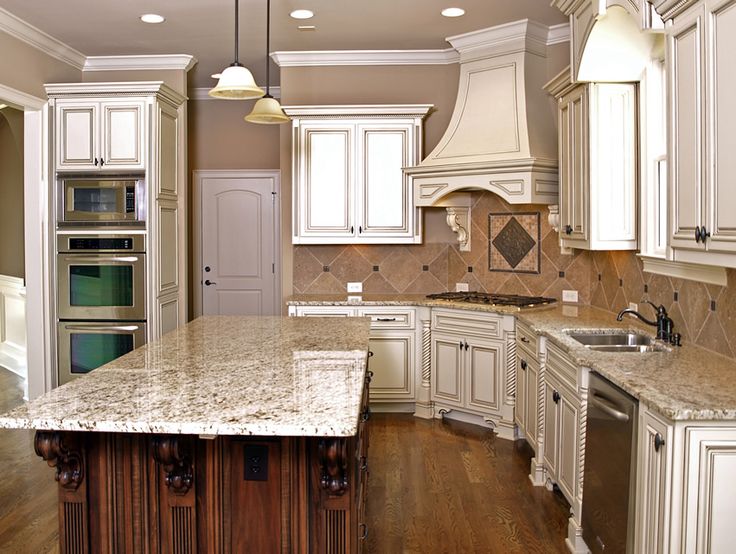
Light-colored kitchen islands have become a popular choice for homeowners aiming to create airy, inviting kitchens. An Antique white island for kitchen provides timeless appeal while fitting seamlessly into both contemporary and traditional designs. Styling a light-colored island requires careful attention to detail, including countertop selection, seating, lighting, and décor. Thoughtful design makes the island a functional centerpiece while maintaining aesthetic harmony throughout the kitchen. Each step should balance beauty with usability for a polished and practical space.
Recognizing the Allure of Light-Colored Kitchen Islands
Light-colored kitchen islands bring brightness and openness, reflecting both natural and artificial light. Shades like cream, beige, soft white, and pastel tones help kitchens feel larger and more welcoming. These colors act as a neutral foundation, making it easy to experiment with accessories, finishes, and contrasting materials. Unlike darker islands, light tones create a sense of spaciousness without overpowering the room. Their versatility allows them to complement minimalist, farmhouse, or modern designs while maintaining a calm and cohesive aesthetic.
Choosing the Right Countertop Contrast
Countertop selection is key to styling a light-colored kitchen island effectively. Dark granite or quartz adds drama and highlights the island as a statement piece. Lighter marble or quartz surfaces produce a seamless, elegant appearance that emphasizes softness. Wooden countertops bring warmth, texture, and natural appeal, balancing the cooler tones of light cabinetry. The choice of material should complement the kitchen’s overall color palette and style. Contrasting surfaces define the island visually while maintaining cohesion with surrounding elements, creating an intentional and sophisticated look.
Incorporating Stylish Seating Options
Seating transforms a kitchen island into a social and functional area. Metal stools bring a contemporary feel, while upholstered seating adds comfort and sophistication. Wooden stools enhance rustic or farmhouse designs, especially paired with light-colored cabinetry. Proper spacing, height, and material selection are essential for both comfort and aesthetic balance. Coordinating seating with other kitchen features strengthens visual harmony. Strategically chosen seating options allow the island to serve as a dining spot, work area, and conversational hub, combining style and practicality seamlessly.
Styling with Decorative Accents
Decorative accessories infuse personality and charm into the kitchen island while keeping it functional. Carefully curated décor prevents visual clutter.
Key styling ideas include:
- Place a simple vase with fresh flowers as a focal point
- Use decorative trays to organize small items neatly
- Stack cookbooks or wooden boards for visual texture
- Add seasonal décor for timely updates
- Introduce subtle metallic accents to elevate elegance
Selecting minimal yet impactful pieces ensures the island remains both stylish and functional.
Lighting: The Ultimate Style Statement
Lighting enhances both the functionality and beauty of a light-colored kitchen island. Pendant lights placed above the island create focus and balance. Fixtures with black, brass, or matte finishes provide contrast against light tones. Glass or transparent designs maintain an open, airy atmosphere while adding sophistication. Combining task, ambient, and accent lighting ensures the island is well-lit at all times. Layered lighting highlights key design elements, enhances mood, and makes the kitchen island a visually attractive and functional centerpiece.
Playing with Textures and Materials
Introducing textures adds depth and dimension to a light-colored kitchen island. Smooth countertops paired with wooden stools or metal accents prevent the space from feeling flat. A textured backsplash, woven rugs, or fabric seating can elevate visual interest. Even subtle details like cabinet handles, footrests, or decorative bowls contribute to a layered design. Mixing natural and manufactured materials, such as wood, metal, stone, and glass, balances warmth and elegance. Properly layered textures create a visually dynamic space that feels both inviting and sophisticated.
Keeping It Functional and Organized
Functionality is as important as style for a kitchen island. Efficient storage helps maintain a clean and practical workspace. Utilize drawers, cabinets, or open shelving for easy access to frequently used items. Store less-used items discreetly to reduce clutter. Keeping surfaces clear enhances both usability and aesthetics. Organization also allows the island to serve multiple purposes—prepping meals, dining, and socializing—without compromising style. A balance between practical storage and decorative elements ensures the island remains a focal point without losing efficiency.
Adding Greenery for a Fresh Touch
Greenery introduces life and freshness to light-colored kitchen islands. Light tones make plants stand out, adding vibrancy and natural charm. Small potted herbs offer both visual appeal and culinary utility. Succulents or a single-statement plant can also provide texture and dimension. Green accents soften the overall design and contribute to a welcoming, homely atmosphere. Strategically placed greenery maintains balance and prevents the island from appearing cluttered, while introducing a natural element that complements light tones and enhances kitchen aesthetics.
Coordinating with the Overall Kitchen Design
A light-colored kitchen island should harmonize with the entire kitchen layout. Matching or complementing cabinetry, countertops, flooring, and backsplashes ensures cohesion. Light islands provide a calming anchor in spaces with bolder patterns or colors elsewhere. Consistency in finishes, tones, and materials strengthens the visual flow. Coordinating elements prevent the island from feeling isolated or out of place. Thoughtful alignment of design features allows the island to enhance the overall kitchen style while remaining functional and visually balanced.
Final Thoughts
Styling a light-colored kitchen island requires a balance between aesthetic appeal and functionality. Every detail—from countertop choice to seating, lighting, textures, and accessories—contributes to the overall impact. A well-executed design ensures the island serves as a practical workspace while acting as a visual focal point. Clean lines, layered textures, and subtle accents create a sophisticated, inviting space. With careful planning, a light-colored island can elevate the kitchen’s style, improve usability, and create an atmosphere that is both modern and timeless.
FAQs
What colors work best with a light kitchen island?
Neutral shades, soft pastels, and contrasting dark surfaces provide visual interest while maintaining elegance.
How can a light kitchen island remain clean and stylish?
Minimal décor, regular cleaning, and organized storage keep the island practical and visually appealing.
Are light-colored islands suitable for small kitchens?
Yes, light tones reflect light and create the illusion of more space, making compact kitchens feel open.
What lighting works best above a kitchen island?
Pendant lights, layered lighting, and fixtures with contrasting finishes highlight the island and enhance usability.
How can I add personality to a light-colored island?
Accessories, greenery, textured materials, and seasonal décor give character without cluttering the space.