

Experience the Best Arabic Restaurant Barcelona Has to Offer: A Culinary Journey
Barcelona is a city famous for its modernist architecture and Mediterranean beaches. However, beneath the surface of tapas bars and paella restaurants lies a rich world of Oriental flavors. Finding a genuine Arabic restaurant Barcelona locals trust can be a challenge for tourists. The demand for halal, authentic Levantine, and Maghrebi cuisine has grown significantly in recent years. Travelers no longer want generic fast food; they want a sensory experience.
This guide provides fresh, professional insights into what makes an Arabic restaurant in Barcelona truly exceptional. We will explore the dishes you must try, the atmosphere to expect, and how to spot authentic cooking. Whether you are a resident or a visitor, this content will help you navigate the culinary scene. Let us dive into the aromatic world of spices, tagines, and fresh pita bread.
Why Arabic Cuisine is Thriving in the Catalan Capital
The culinary landscape of Barcelona has evolved dramatically. Traditionally, the city focused on seafood and pork-based dishes. However, a new wave of immigrants and food enthusiasts has introduced the complex flavors of the Middle East and North Africa. Consequently, the search for an Arabic restaurant Barcelona has skyrocketed on Google. People are looking for healthy, flavorful alternatives to heavy European meals.
Arabic food offers a unique balance of herbs, lean meats, and vegetables. Dishes like hummus, fattoush, and grilled kebabs are light yet satisfying. This aligns perfectly with modern health trends. Furthermore, the rise of veganism has boosted Arabic cuisine. Many Arabic dishes are naturally plant-based. For example, mujaddara (lentils and rice) and baba ghanoush are vegan staples. This makes Arabic restaurants highly versatile for groups with different dietary needs.
Key Characteristics of an Authentic Arabic Restaurant Barcelona
When searching for quality, you must know what to look for. An authentic establishment does not just serve food; it transports you to the souks of Marrakech or the streets of Beirut. Here are the hallmarks of a genuine Arabic restaurant Barcelona experience.
1. The Aroma of the Kitchen
As you walk in, the air should smell of cumin, coriander, sumac, and cinnamon. You should not smell heavy frying oil. Authentic cooking relies on slow cooking and grilling. The scent of charcoal-grilled meat is a dead giveaway of quality.
2. Fresh Bread Production
No true Arabic meal is complete without freshly baked pita or taboon bread. The best restaurants bake their bread in-house. If the bread arrives cold or from a plastic bag, you are not in the right place. Fresh bread is the vehicle for dips like hummus and moutabel.
3. The Mix of Mezze
Mezze are small plates that start the meal. An authentic menu offers a wide variety. Look for options like warak enab (grape leaves), labneh (strained yogurt), and raheb (roasted eggplant salad). A limited menu often indicates a lack of authenticity.
Must-Try Dishes at a Top Arabic Restaurant Barcelona
To rank your experience, you need to know the signature dishes. When you visit a reputable Arabic restaurant Barcelona, do not just order a kebab. Explore the depth of the menu.
The Perfect Hummus
Hummus is the gatekeeper of Arabic cuisine. It should be creamy, smooth, and drizzled with high-quality olive oil. It should have a hint of lemon and garlic. Avoid hummus that is grainy or bland. The best hummus is topped with chickpeas or pine nuts.
The Flavorful Tagine
Originating from Morocco, the tagine is a slow-cooked stew. It is named after the clay pot it is cooked in. The meat (lamb or chicken) should fall off the bone. It is often cooked with apricots, almonds, or olives. The combination of sweet and savory is a hallmark of North African Arabic cooking.
The Aromatic Mansaf
For a truly unique experience, try Mansaf. This is the national dish of Jordan and Palestine. It consists of lamb cooked in fermented dried yogurt (jameed) served over rice. It is often served with a thin bread called shrak. This dish is for serious food lovers who want depth and tradition.
Fresh Tabbouleh
Do not underestimate the salad. Tabbouleh is a parsley-heavy salad with bulgur, tomato, mint, and onion. It should be bright and acidic. It cuts through the richness of grilled meats perfectly. If the dish is mostly bulgur, it is not authentic.
The Atmosphere and Service Experience
Google ranking factors now include “dwell time” (how long people stay). An Arabic restaurant Barcelona that succeeds keeps customers inside for hours. Arabic hospitality, known as “Tarhib,” is legendary. You should be greeted with a smile. Often, a free appetizer like soup or a small salad arrives before you order.
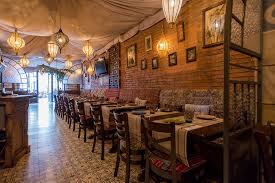
The decor matters significantly. Authentic restaurants use geometric patterns, lanterns, and calligraphy. Music should be tasteful—classic Arabic melodies played at a low volume. This creates a relaxing environment. Families should feel welcome. High chairs and large sharing platters indicate a family-friendly business.
How to Find the Best Arabic Restaurant Barcelona for Lunch or Dinner
Timing is everything. For lunch, many Arabic restaurants offer “menu del dia” (menu of the day). This is a great value way to sample multiple dishes. You typically get a starter, main, drink, and dessert for a fixed price. Dinner is more elaborate. Dinner service usually starts late (around 8:30 PM or 9:00 PM) to match Spanish customs.
When reading online reviews, look for specific keywords. Do not just look at the star rating. Read the comments. Look for words like “fresh pita,” “authentic spices,” “friendly service,” and “generous portions.” Avoid places where reviews mention “cold food” or “slow service” frequently. The best Arabic restaurant Barcelona options have consistent 4.5+ star ratings across hundreds of reviews.
Dietary Benefits: Halal and Healthy Options
One major reason for the popularity of Arabic cuisine is the Halal certification. For Muslim travelers, finding a Halal Arabic restaurant Barcelona is a top priority. Halal means the meat is slaughtered according to Islamic law. It also implies cleanliness and hygiene. However, even non-Muslims appreciate Halal meat. It is often fresher and sourced more ethically.
Furthermore, Arabic food is naturally gluten-free friendly. Many dishes are based on rice, lentils, and chickpeas. Grilled meats and vegetables contain no gluten. If you are allergic to gluten, you can easily eat a full meal here. Just avoid the pita bread. Also, dairy allergies are manageable. Many dishes use tahini (sesame paste) instead of cream or butter.
The Future of Arabic Dining in Barcelona (2026 Trends)
As we move through 2026, the concept of fine dining is changing. Street food is becoming gourmet. We are seeing a rise in “fast-casual” Arabic restaurants. These locations offer high-speed service without losing quality. They focus on wraps, bowls, and meal prep. This is perfect for the busy professional.
Moreover, fusion is becoming acceptable but must be done right. For example, an Arabic-Mediterranean fusion might feature falafel croquettes. However, the core techniques must remain traditional. The best chefs in Barcelona are training in Beirut and Istanbul to bring back authentic knowledge. Do not fall for “Arab-inspired” places that have no Arab chefs in the kitchen. Authenticity requires heritage.
Planning Your Visit: Tips for a Great Meal
To ensure your experience is perfect, follow these professional tips when visiting any Arabic restaurant Barcelona.
Book in Advance: Popular spots fill up quickly, especially on weekends. Do not assume you can walk in at 9:00 PM on a Saturday.
Ask for the Chef’s Special: Don’t just order the first thing on the menu. Ask the waiter, “What is fresh today?” Often, the chef will have a special tagine or fish dish not listed online.
Share Your Food: Arabic dining is communal. Order 3-4 mezze plates and 2 main dishes for a table of four. Sharing allows you to taste more variety.
Save Room for Tea: Finish your meal with mint tea (Touareg tea). This is a ceremonial drink. It is poured from a height to create foam. It is usually sweet and soothing. It is a sign that the meal has ended on a high note.
Conclusion: Your Culinary Adventure Awaits
Barcelona is a city of discovery. While Gaudí’s architecture and the Mediterranean Sea are breathtaking, the food scene offers a different kind of magic. An Arabic restaurant Barcelona is more than a place to eat; it is a cultural embassy. It offers warmth, history, and nutrition on a single plate.
Do not settle for bland international chains. Seek out the family-run establishments where the matriarch is cooking in the back. Smell the cumin in the air. Listen to the sizzle of the grill. Dip your fresh bread into olive oil and za’atar. This is the authentic Barcelona experience. Use the keywords and tips in this guide to find a top-rated spot today. Your taste buds will thank you for traveling from the Mediterranean to the Middle East without ever leaving the city limits.

















Leave a Reply