It’s easy to assume bubble wrap is all the same. A roll is picked up, items are wrapped, and the box is sealed. But when something arrives chipped or scratched, the issue usually isn’t the box—it’s what happened inside it. The type of wrap, how it’s used, and even how tightly it’s secured can make a real difference.
Why Does the Type of Bubble Wrap Matter More Than People Think?
Most damage doesn’t come from one big drop. It builds up from small movements—items shifting, edges knocking, surfaces rubbing against each other. That’s where the right packaging supplies come into play.
In packing environments that deal with fragile goods, there’s always a bit of thought behind the process. A lightweight decorative piece isn’t treated the same way as a solid ceramic base. Even when strong outer cartons are used, the inner layer is what actually absorbs the stress.
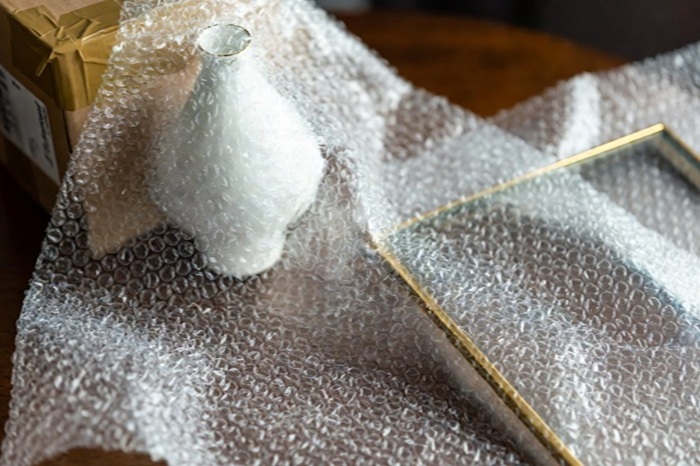
A common example can be seen in home décor shipments. A glass ornament might look secure in a box, but if it hasn’t been wrapped properly, even a short journey can leave marks or cracks. That’s why the choice of bubble wrap matters more than it seems.
What Types of Bubble Wrap Are Used for Different Items?
Different wraps are designed for different situations. Using the right one isn’t complicated, but it does require knowing what each type is meant for.
Small Bubble Wrap
This type sits closer to the item’s surface. It’s often used when the main concern is preventing scratches rather than handling heavy impact.
It’s a practical choice for:
- Polished glass items
- Fashion accessories with delicate finishes
- Decorative pieces with smooth surfaces
Using small bubble wrap keeps the item protected without adding too much bulk, which helps when the final presentation matters.
Large Bubble Wrap
Larger bubbles create more space between the item and the outside world. This bubble wrap helps absorb stronger impacts.
It’s usually chosen for:
- Medium to heavy glass décor
- Ceramic pieces
- Items that may face rough handling
In many packing setups, it’s used as a second layer over a softer wrap.
Anti-Static Bubble Wrap
This type is used when static electricity could be a problem. It’s commonly seen in electronics packaging.
Typical uses include:
- Small devices
- Electrical components
- Sensitive technical items
It’s not something every shipment needs, but in the right situation, it becomes essential.
Heavy Duty Bubble Wrap
This version is thicker and tougher. It doesn’t tear easily and holds up well during longer or more demanding journeys.
It’s often used for:
- Larger glass décor pieces
- Heavier items that need extra cushioning
- Shipments that travel longer distances
When sealed properly with bulk bubble wrap and strong tape, it stays in place and doesn’t loosen during handling.
Bubble Wrap Rolls for Regular Packing
For frequent packing, larger rolls are easier to work with. They allow quicker wrapping and consistent coverage.
They are commonly used in:
- Warehouses
- E-commerce packing setups
- Bulk order fulfilment
Pairing these with bulk bubble wrap and strong tape helps keep the wrapping secure from start to finish.
Understanding these differences helps you select the most suitable bubble wrap for your specific needs and ensures your items arrive in perfect condition.
How Do You Know Which One to Use?
Choosing the right wrap usually comes down to three things: weight, surface, and how much the item might move.
- Light items with delicate finishes need softer, smaller bubbles
- Heavier items benefit from larger bubbles and thicker layers
- Anything that can shift inside the box needs extra support
For example, in décor packaging, a glass vase is often first wrapped in small bubble wrap to protect its surface, then covered with a thicker layer to absorb impact. This combination works because it addresses both scratching and breakage.
In fashion-related shipments, structured items are wrapped just enough to protect them without affecting their shape. Too much wrapping can sometimes do more harm than good.
What Are the Common Mistakes That Lead to Damage?
Even with the right material, a few small mistakes can cause problems.
- Wrapping too loosely so the item moves inside
- Using only one layer for fragile items
- Leaving corners unprotected
- Not sealing the wrap properly
Sealing is often overlooked. If the wrap comes loose, it stops doing its job. That’s why using bulk bubble wrap and strong tape is important—it keeps everything in place.
Another issue is relying only on bubble wrap and ignoring other packaging supplies. Filling empty spaces inside the box is just as important as wrapping the item itself.
How Is Bubble Wrap Used in Professional Packing?
In professional settings, packing follows a routine. It’s not rushed, and it’s not random.
The process usually involves:
- Wrapping the item based on its surface
- Adding layers depending on weight
- Filling gaps to stop movement
- Sealing everything securely
In glass décor shipments, items are often wrapped more than once, then placed in cardboard boxes that fit them properly without shifting. This reduces the chances of damage during transit.
The Packers also adjust how they use packing materials depending on distance and handling conditions. A short local delivery might not need the same level of protection as a long-distance shipment.
Conclusion
Bubble wrap does more than cover an item—it helps control how that item handles movement, pressure, and impact. Choosing the right type and using it properly can make a noticeable difference.
When combined with the right approach and other supporting packaging materials, it turns simple packing into something reliable. And that reliability is what keeps items arriving the way they were meant to.
Small bubbles offer better cushioning for delicate items like glassware and electronics, while larger bubbles provide excellent shock absorption for bigger, lighter objects.
Thank you for reading! We hope this guide has helped you understand how to properly use bubble wrap to keep your valuable and fragile items safe during storage or shipping.
If you have any questions or need more packing tips, feel free to leave a comment below. Your feedback helps us create better content for you.
Happy packing and safe shipping!