

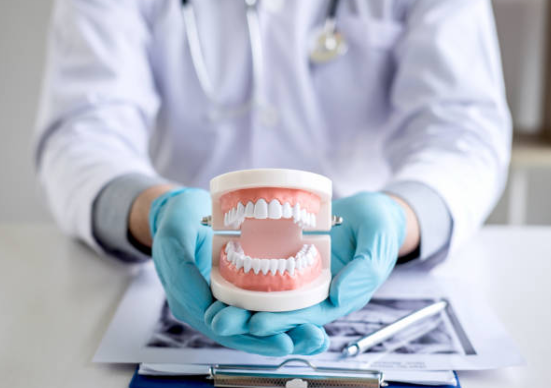
If you’ve recently gone through an extraction and bone graft procedure, the first thing you probably want to know is when life starts feeling normal again. Fair question. The short answer is this: the worst part usually settles within a few days, but full dental bone graft recovery takes months. Yeah, months. That sounds dramatic, but healing bone isn’t like healing a paper cut. Your body’s rebuilding structure underneath the gums, and that takes time whether you like it or not.
Most people walk out thinking they’ll just “take it easy” for a day or two and be fine. Sometimes they are. Sometimes they’re swollen, sore, irritated, and regretting crunchy foods almost immediately. Both experiences are common. The first 48 hours especially can feel awkward because your mouth knows something happened. Talking feels odd. Eating becomes annoying. Even sleeping can be uncomfortable if swelling kicks in hard. Truth is, recovery is more about patience than toughness.
Why Extraction And Bone Graft Procedures Usually Happen Together
A lot of patients hear the words extraction and bone graft in the same appointment and wonder why dentists bundle them together. Here’s the deal. Once a tooth comes out, the jawbone underneath naturally starts shrinking. Fast, too. Bone needs stimulation from the tooth root to stay strong. Without it, the area begins collapsing little by little.
That’s where the graft comes in. The graft material helps preserve the shape and density of the jaw after extraction. It creates a foundation for future implants or just keeps your facial structure healthier long term. Sounds technical, but honestly it’s preventative maintenance. Dentists are trying to stop bigger problems before they start. And if implants are part of the future plan, skipping the graft can make things harder later.
Swelling Is Normal, Even When It Looks A Little Intense
People panic about swelling more than almost anything else during dental bone graft recovery. They look in the mirror on day two and suddenly think disaster is unfolding. Usually it’s not. Swelling peaks around 48 to 72 hours for many patients. The body sends fluid and healing cells to the area, and your face reacts accordingly.
Ice packs help early on. Keeping your head elevated helps too, though honestly not everyone remembers that part after midnight. Bruising can also show up unexpectedly around the jaw or neck. Weird looking? Sure. Dangerous? Usually no. Your body’s just responding to surgery. If swelling keeps worsening after several days or comes with fever and severe pain, that’s when it’s time to call the oral surgeon instead of Googling horror stories at 2 a.m.
Eating During Recovery Gets Frustrating Pretty Fast
Nobody talks enough about how mentally annoying the food restrictions become after extraction and bone graft surgery. Day one feels manageable. Soup, yogurt, mashed potatoes, fine. By day four? You start staring at chips like they’re forbidden treasure. Still, protecting the graft matters more than temporary cravings.
Hard foods can irritate the surgical site or disrupt healing. Tiny crunchy particles love getting stuck exactly where they shouldn’t. Spicy foods sometimes irritate sensitive tissue too. And straws? Avoid them early on because suction can interfere with clot formation. The reality is boring food for a little while beats complications later. Patients who rush recovery usually end up extending it.
Smoking And Healing Do Not Mix Well At All
Let’s be real here. If your oral surgeon tells you not to smoke after an extraction and bone graft procedure, they’re not being dramatic. Smoking absolutely wrecks healing. Nicotine reduces blood flow, slows tissue repair, and increases the risk of graft failure. Even vaping can create issues because of heat and suction.
Some patients try negotiating. “What if it’s only one cigarette?” Not ideal. The graft needs stable healing conditions during those first critical weeks. Smoking introduces the exact opposite. Dry socket risk also climbs significantly after extractions. And dry socket pain? People who’ve had it usually describe it with words you can’t print in a family blog.
Pain Levels Are Usually Manageable, But Expectations Matter
Here’s something reassuring. Most people do not describe dental bone graft recovery as unbearable. Annoying? Definitely. Tender? Sure. But modern oral surgery has gotten way better about managing discomfort. Prescription medications help in the beginning, though many patients transition to over-the-counter pain relief pretty quickly.
The bigger issue tends to be expectation mismatch. Some folks expect zero discomfort because procedures sound routine nowadays. Then they get frustrated when chewing feels sore for a week. Recovery is rarely perfectly linear either. You might feel dramatically better one morning and oddly sore again later that night. That fluctuation doesn’t automatically mean something’s wrong. Healing tissue can be unpredictable.
Bone Grafts Heal Quietly Long After Symptoms Fade
One reason patients misunderstand dental bone graft recovery is because visible symptoms disappear long before actual healing finishes. Pain may improve within days. Swelling drops. Gums start looking normal again. But underneath? Bone remodeling keeps going for months.
This matters especially for people planning dental implants. Oral surgeons often wait several months before placing the implant because the graft needs time to integrate fully with your natural bone. Rushing that process risks instability later. Nobody wants an implant failing because healing got pushed too fast. The waiting part feels slow, yeah, but it’s part of building something durable.
Signs Your Recovery Is Probably Going Fine
People overanalyze every tiny sensation after oral surgery. A little tenderness? Panic. Slight bleeding? More panic. Truth is, mild oozing during the first day is common. Minor soreness is expected. Small gritty particles in the mouth can even happen if tiny graft granules loosen slightly. Not always an emergency.
Healthy recovery usually means symptoms gradually improve overall, even if progress feels uneven day to day. The gums begin closing. Pain becomes less intense. Swelling decreases instead of increasing. Your energy starts coming back too. A lot of patients forget surgery affects the whole body a bit. Feeling tired after extraction and bone graft treatment isn’t unusual.
When You Should Actually Call The Surgeon
That said, some symptoms deserve attention. Severe throbbing pain days later, worsening swelling, pus, fever, or a terrible taste in the mouth can indicate infection or complications. Heavy bleeding that doesn’t slow down also needs evaluation. Trust your instincts a little here. If something feels genuinely off, don’t just hope it magically fixes itself.
The good thing is most complications become manageable when caught early. Oral surgeons deal with post-op questions constantly. You are not “bothering” them by checking in. Patients sometimes stay silent too long because they don’t want to seem dramatic. Meanwhile the issue gets worse. Better to ask.
Dental Anxiety Makes Recovery Feel Longer Sometimes
Not enough people acknowledge how anxiety changes the whole recovery experience. Patients who already fear dental procedures often stay hyper-focused on every sensation afterward. They keep checking the mirror. Reading forums. Convincing themselves disaster is brewing because healing isn’t happening perfectly.
Honestly, mental stress can make recovery feel twice as long. The body’s healing while your brain keeps sounding alarm bells. Sometimes reassurance from an experienced oral surgeon matters almost as much as the actual procedure itself. Knowing what’s normal helps people calm down and stop spiraling over every ache or strange taste.
Recovery Depends Heavily On Overall Health Habits
Two people can have the exact same extraction and bone graft procedure and heal very differently. Age matters a bit. Medical conditions matter too. Diabetes, immune disorders, poor nutrition, smoking habits, chronic stress all of it influences healing speed. Even sleep affects tissue repair more than people realize.
Patients who hydrate properly, follow instructions, eat decent foods, and avoid irritating the surgical site usually recover smoother. Sounds basic, but it’s true. Healing isn’t only about what happens in the dental chair. It’s also what happens afterward at home when nobody’s supervising your choices. And yeah, that includes deciding whether tortilla chips are “probably fine” too early.
The Long-Term Benefits Usually Outweigh The Temporary Hassle
In the middle of dental bone graft recovery, it’s easy to focus only on discomfort and inconvenience. But stepping back helps. Bone grafting protects the structure of your jaw. It supports future restorations. It can prevent that sunken appearance that sometimes follows tooth loss over time. In many cases, it sets the stage for stronger long-term dental health.
The process isn’t glamorous. Nobody enjoys surgery recovery. But the temporary frustration often prevents much bigger headaches later. That’s the honest truth. People usually feel relieved once healing finishes and they realize the procedure wasn’t nearly as scary as they built it up to be beforehand.
Why Choosing The Right Oral Surgeon Matters More Than People Think
Experience changes everything with extraction and bone graft procedures. A skilled oral surgeon doesn’t just perform the surgery well. They guide recovery properly too. They know how to minimize complications, explain realistic expectations, and help patients feel less lost afterward.
You want a team that actually communicates, not one rushing people through appointments like a factory line. Recovery questions come up. Anxiety happens. Healing varies. Good providers understand that. And honestly, patients remember the support almost as much as the surgery itself.
Visit New York Oral & Facial Surgery to start your dental bone graft recovery journey with experienced specialists who understand both the procedure and the real-world healing process afterward.
FAQs
How long does dental bone graft recovery usually take?
Initial healing after extraction and bone graft surgery often takes one to two weeks, but complete bone integration can take several months. Most patients feel significantly better within days even though deeper healing continues underneath the gums.
Is swelling normal after extraction and bone graft procedures?
Yes, definitely. Swelling commonly peaks around day two or three after surgery. Mild bruising and tenderness are also common during dental bone graft recovery and usually improve gradually afterward.
Can I eat normally after a dental bone graft?
Not immediately. Soft foods are recommended early in recovery because crunchy or hard foods can irritate the surgical area and interfere with healing after extraction and bone graft treatment.
What happens if the bone graft fails?
Bone graft failure is uncommon but possible. Signs may include worsening pain, infection, or graft material not integrating properly. An oral surgeon can evaluate the area and recommend next steps if complications happen.























Leave a Reply