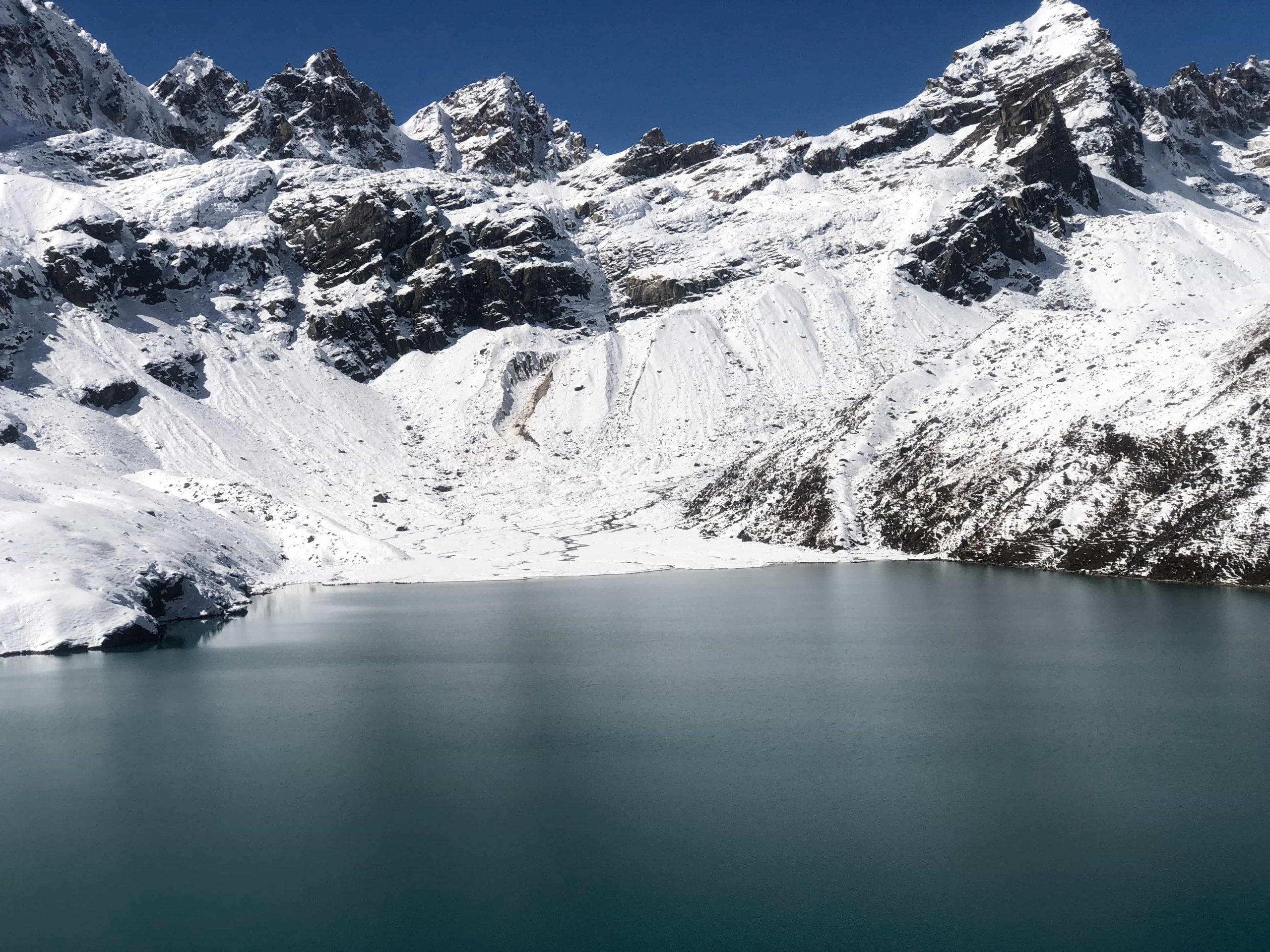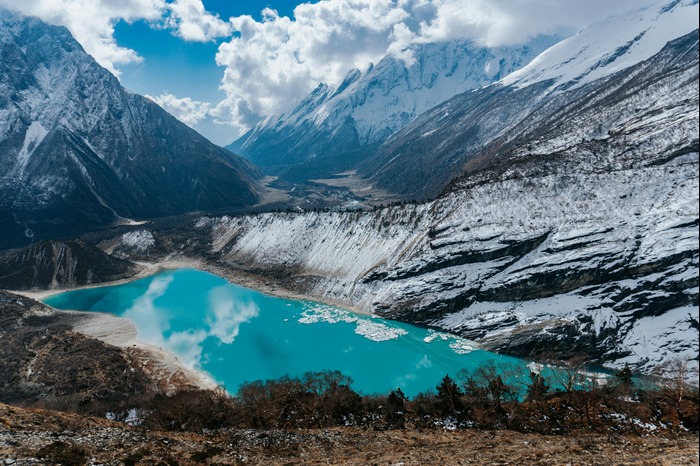
Mount Baruntse stands at 7,129 meters (23,389 feet) in eastern Nepal. Surrounded by the Hunku, Barun, and Imja glaciers, it offers a demanding Himalayan climbing experience with incredible mountain scenery.
The Baruntse Expedition is not a climb for beginners. High altitude, steep snow and ice, changing weather, and long days in the mountains all add to the challenge. Good fitness, climbing experience, proper acclimatization, and careful preparation are important before taking on the peak.
How Difficult Is the Baruntse Expedition?
The climb is considered a challenging high-altitude mountaineering adventure. The approach takes climbers through remote Himalayan landscapes, while the upper sections involve snow, ice, steep slopes, and thin air.
The level of difficulty can change depending on weather, snow conditions, and the climber’s experience. Previous high-altitude or mountaineering experience can be a major advantage.
This is more than a long trek. Climbers need to be comfortable with technical terrain and understand how to move safely in high mountain conditions.
Why Is Baruntse Considered a Challenging Climb?
The main challenge comes from the combination of high altitude and technical terrain. At more than 7,000 meters, the body receives much less oxygen, making even simple movements more tiring.
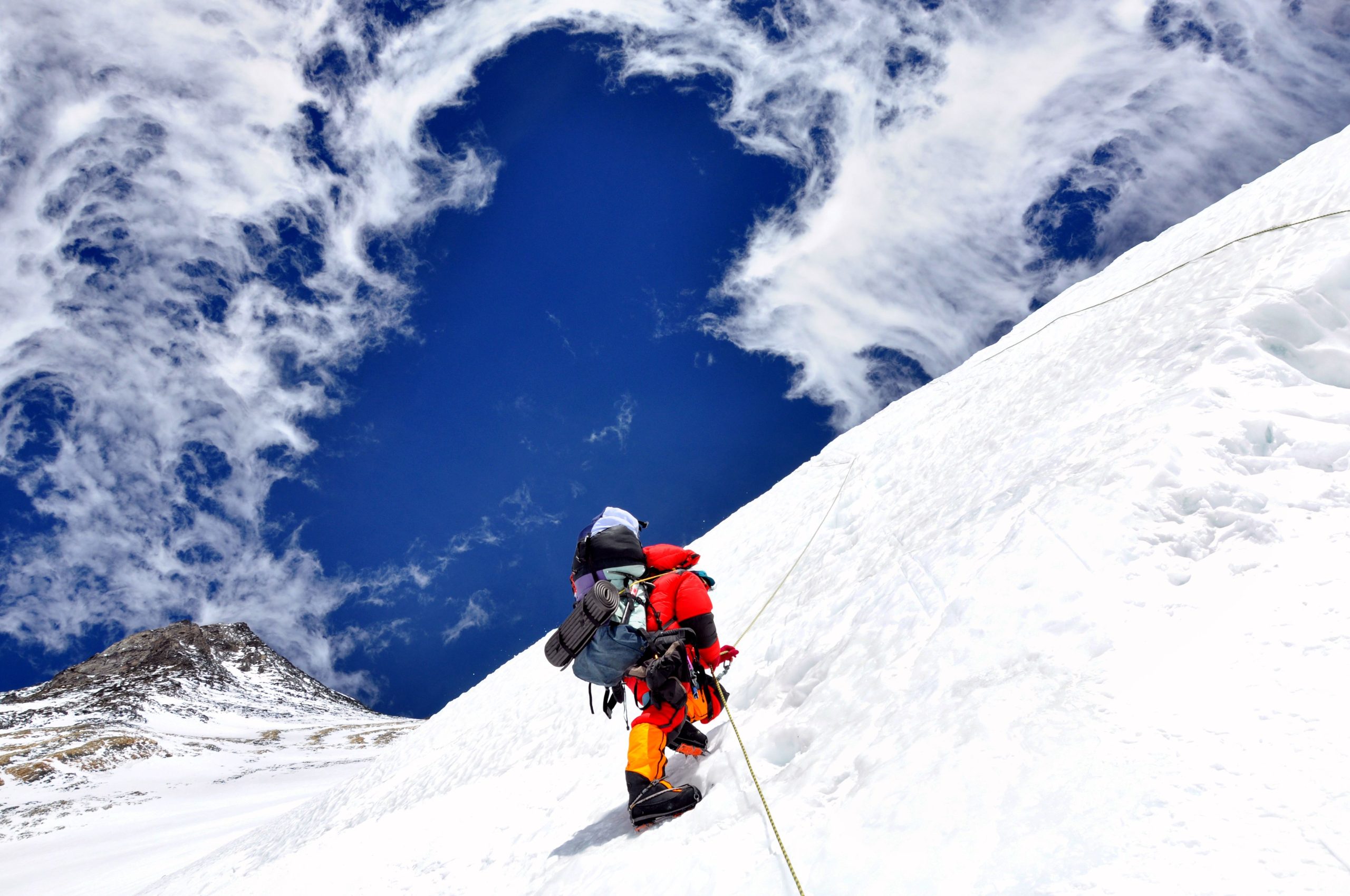
The route includes steep snow slopes, icy sections, glaciers, and large ice formations. Depending on conditions, climbers may need fixed ropes and other technical equipment.
The remote environment adds another layer of difficulty. Long walking days and cold conditions can leave the body tired before the final ascent even begins.
Altitude and Baruntse Expedition Difficulty
Altitude is one of the biggest factors affecting the climb. The route gradually moves from lower valleys toward Baruntse Base Camp at around 5,300 meters.
As elevation increases, breathing becomes harder and the body needs time to adjust to the thinner air. Moving too quickly can increase the risk of altitude-related problems.
That is why acclimatization is an important part of the expedition. Spending enough time at different elevations gives the body a better chance to adapt before moving toward higher camps.
Steep Snow and Ice Sections
This is not simply a hike to a summit. The upper mountain involves snow and ice where careful movement and technical skills are essential.
The Southeast Ridge has steep ice sections that can reach around 50 degrees, along with a prominent ice cliff at higher altitude. Fixed ropes may be placed on difficult sections to help climbers move more safely.
Cornices can also form along the ridge. These overhanging snow formations may appear stable but can create serious hazards. Climbers therefore need to follow their guides and use the correct safety equipment.
Weather Conditions on Mount Baruntse
High mountain weather can change quickly. Strong winds, snowfall, freezing temperatures, clouds, and poor visibility can make an already difficult climb even harder.
Weather can also affect summit plans. Sometimes waiting for a safer weather window is necessary, even when the team is physically ready to climb.
Spring and autumn are generally popular seasons for Himalayan climbing because conditions are often more favorable. However, mountain weather remains unpredictable, so flexibility is always important.
Physical Fitness and Climbing Experience
Good physical fitness is essential for this climb. The approach can involve several hours of walking on steep and uneven terrain, often while carrying a backpack.
Training should focus on cardiovascular endurance, leg strength, stamina, and balance. Regular hiking with a loaded backpack can also help prepare the body for long days in the mountains.
Fitness alone is not enough. Experience with high-altitude trekking or mountaineering helps climbers understand their bodies and move more confidently through snow and ice.
Those without technical climbing experience should consider gaining suitable training and experience before attempting a 7,000-meter peak.
Altitude Sickness and Acclimatization
Acute Mountain Sickness (AMS) is another important concern. Symptoms can include headache, tiredness, dizziness, nausea, and shortness of breath.
The risk becomes greater as climbers move higher. A gradual ascent, appropriate rest, hydration, and careful monitoring can help reduce the risks associated with altitude.
Serious symptoms should never be ignored. A guide may recommend resting or descending if someone’s condition becomes unsafe. Emergency oxygen and rescue arrangements can also be important during a high-altitude expedition.
Climbers should also have suitable travel insurance that covers high-altitude activities and emergency evacuation.
What Skills Do You Need for Baruntse?
Reaching the summit requires more than trekking ability. Climbers should have a basic understanding of mountaineering techniques and know how to move safely across snow and ice.
Important skills include:
- Using crampons and an ice axe
- Moving safely on steep snow and ice
- Using fixed ropes
- Understanding basic rope techniques
- Traveling safely on glaciers
- Handling climbing equipment in cold conditions
- Recognizing signs of altitude sickness
- Following mountain safety instructions
Training before the expedition can improve both confidence and safety.
How to Prepare for the Baruntse Expedition
Preparation should begin well before arriving in Nepal. Build endurance through running, cycling, hiking, or other cardiovascular exercises. Strength training for the legs and core can also help with long mountain days.
It is equally important to become familiar with your climbing equipment. Mountaineering boots, crampons, harnesses, helmets, ice axes, gloves, and warm clothing should fit properly and be tested before the climb.
Mental preparation matters as well. High-altitude climbing can be physically exhausting, and plans may change because of weather or mountain conditions. Patience, discipline, and good decision-making are valuable skills.
Most importantly, climbers should work with qualified and experienced high-altitude professionals who understand the terrain and changing conditions.
Baruntse Expedition With Nepal Social Treks
Nepal Social Treks and Expedition provides logistical and climbing support for this Himalayan adventure. The route approaches the mountain through the remote Hunku Valley, with acclimatization in the Mera region before reaching the base camp.
According to the expedition information provided by the company, the support includes experienced high-altitude guides and Sherpa staff, camp facilities, climbing equipment support, food and fuel at higher camps, communication facilities, and emergency equipment.
The expedition also offers impressive views of some of Nepal’s highest peaks, including Mount Everest, Lhotse, Makalu, and Mera Peak.
For a climb of this scale, local knowledge and careful planning are valuable. Experienced mountain teams can help climbers make safer decisions when weather, altitude, or terrain becomes challenging.
Final Thoughts
The Baruntse Expedition is a demanding Himalayan adventure that combines high altitude, technical climbing, remote terrain, and unpredictable weather. At 7,129 meters, the mountain requires serious preparation and respect.
Good fitness, previous climbing experience, proper acclimatization, technical training, and responsible guidance can help climbers approach the ascent with greater confidence.
The challenge is significant, but the reward is equally memorable: experiencing the remote Himalayas and standing high among some of Nepal’s most impressive peaks.