The dating app industry has never been more competitive. New platforms launch every month, each promising a fresh take on how people meet, chat, and connect. For startups eyeing this space, the opportunity is real — but so is the risk of getting lost among dozens of apps offering nearly identical swipe-and-match experiences. Standing out requires more than a good idea; it requires a clear strategy, the right technology foundation, and a genuine understanding of what today’s users actually want.
Why So Many Startups Choose to Develop a Dating App Like Tinder as Their Starting Point
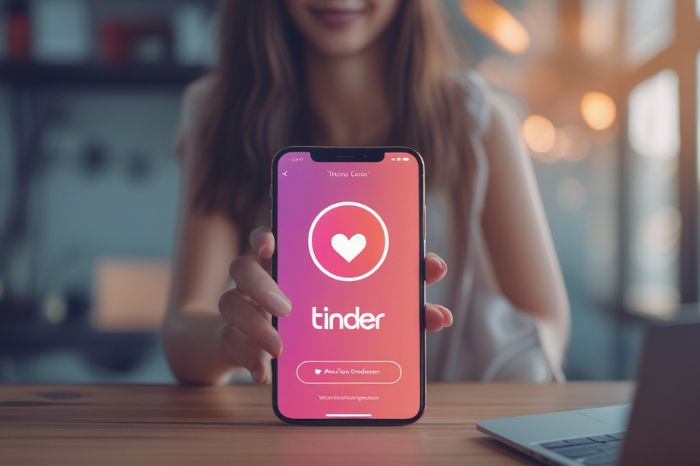
Rather than reinventing the entire concept of online dating, most successful startups begin by studying what already works. Choosing to develop a dating app like tinder as a starting framework gives founders a proven, tested foundation — swipe-based discovery, real-time messaging, and location-based matching — that users already understand intuitively. From there, the real differentiation happens through thoughtful customization: a defined niche, unique features, and a brand identity that resonates with a specific audience. Starting from a proven model doesn’t mean copying it; it means building on solid ground instead of guessing what users will respond to.
Start With a Clearly Defined Niche
One of the biggest mistakes new dating platforms make is trying to appeal to everyone. Broad, general-purpose apps struggle to compete against established giants with massive user bases. Instead, successful startups identify a specific audience — professionals in a particular industry, a shared cultural background, a specific age group, or even a hobby-based community — and build their entire experience around that niche. A focused audience is easier to market to, easier to retain, and far more likely to generate genuine word-of-mouth growth.
Choose the Right Technology Foundation
Once the niche is defined, the next decision is technical: build from scratch, or start with an established framework? Building a fully custom platform from the ground up can take well over a year and requires a large, specialized development team. Many startups instead opt for a tinder clone app as their foundation, which already includes tested core functionality like matching logic, chat systems, and profile management. This approach allows teams to focus their time and budget on the features that actually differentiate their product, rather than reinventing basic functionality that users already expect to work flawlessly.
A well-executed tinder clone app development process doesn’t mean settling for a generic product. The right development partner can fully customize the branding, feature set, and user experience while relying on a stable, pre-tested backend — giving startups the best of both speed and originality.
Prioritize Features That Reflect Your Niche
Generic swipe-and-match functionality is no longer enough to hold user attention. Startups that stand out typically layer in features tailored to their specific audience:
- Smarter matching algorithms that go beyond surface-level preferences and factor in shared interests, values, or professional backgrounds
- Verification and safety tools, including photo moderation and identity checks, which build trust faster in niche communities
- Real-time chat with rich media, such as voice notes, video calls, and interactive icebreakers, to deepen engagement before users ever meet in person
- Community-driven elements, like events or group features, that turn the app into more than just a matching tool
These additions don’t need to be built from scratch either — many can be integrated into an existing framework, keeping development timelines realistic.
Consider a White Label Tinder Clone App for Faster, Branded Launches
For startups that want full control over branding without the time and cost of custom development, a white label tinder clone app offers a practical middle ground. This approach provides a fully functional, proven platform that can be rebranded entirely — logo, color scheme, messaging, and unique feature set — while the underlying architecture remains stable and scalable. It’s a particularly smart choice for startups that need to launch quickly to capitalize on a specific market opportunity or seasonal demand, without sacrificing the polish users expect from a professional dating app.
Build a Monetization Strategy Early, Not as an Afterthought
Many startups make the mistake of focusing entirely on user acquisition before thinking about revenue. A sustainable dating app typically blends several monetization approaches:
- Freemium subscriptions that unlock premium features like unlimited swipes or advanced filters
- In-app purchases, such as profile boosts or virtual gifts, that enhance engagement while generating revenue
- Tiered subscription plans offering different benefit levels for different user segments
- Targeted advertising, when relevant to the platform’s audience and used sparingly enough to avoid disrupting the user experience
Deciding on a monetization approach early influences both the app’s feature roadmap and its overall user experience, making it far easier to implement smoothly than retrofitting payment systems after launch.
Focus on Trust and Safety From Day One
Trust is the currency of any dating platform. Users who encounter fake profiles, scams, or harassment rarely give an app a second chance. Startups that invest early in verification systems, reporting tools, and content moderation tend to build stronger user retention than those that treat safety as an afterthought. This is especially important for niche platforms, where a smaller, tighter-knit community can be more sensitive to trust issues than a massive, anonymous user base.
Partner With the Right Development Team
Perhaps the most overlooked factor in building a standout dating app is choosing the right technical partner. Experience matters significantly here — a team with a genuine track record in tinder clone app development will understand the nuances of real-time messaging, geolocation accuracy, and scalable architecture far better than a generalist agency. Before committing, startups should review case studies, ask about post-launch support, and confirm exactly how customizable the final product will be.
Final Thoughts
Building a dating app that stands out doesn’t require reinventing the wheel — it requires smart, deliberate choices about niche, technology, features, and trust. By starting with a proven foundation, customizing thoughtfully, and planning monetization and safety from the outset, startups can launch a platform that feels genuinely original, even while benefiting from tested, reliable technology underneath. In a crowded market, differentiation comes not from starting from zero, but from knowing exactly which elements are worth building fresh — and which are smarter to build on proven ground.