The fastest way to pick a reliable snow removal company is to check three things before you sign anything: proof of insurance, a written contract with clear response times, and real reviews from customers in your area from the past year. Skip any of those and you’re gambling on whether your driveway gets cleared during the storm that actually matters. This guide walks through what separates a dependable crew from one that disappears the first time the snow really piles up.
Winter has a way of exposing weak service agreements. A company that seemed fine in October can go quiet in January when every client is calling at once. Knowing what to look for now, while the weather is still calm, saves you from scrambling later.
Why Waiting Until the First Snowfall Is a Mistake
Most homeowners and property managers start calling snow removal companies the day after the first real storm. By then, the good ones are already booked. Reliable crews fill their client lists in October and November, not December.
Signing early also gives you leverage. Companies are more willing to negotiate pricing and terms before their schedule fills up. Once winter arrives, you’re taking whatever slot is left, on whatever terms they offer.
Check Insurance and Licensing First, Not Last
This is the step people skip most often, and it’s the one that protects you the most. Ask for a certificate of insurance showing general liability coverage and, if they have employees, workers’ compensation. If a plow damages your driveway or a worker gets hurt on your property, you want that liability sitting with the company, not with you.
Don’t just ask if they’re insured. Ask them to send proof directly from their insurance provider. A legitimate company can produce this in a few minutes because they already have it on file for exactly this reason.
- Confirm the policy is current, not expired last spring
- Check that the coverage amount is reasonable for the size of your property
- Ask whether subcontractors, if any are used, are covered under the same policy
Read Reviews, But Read Them the Right Way
Star ratings alone don’t tell you much. A company can have four stars with one glowing review from a friend and three complaints about no-shows during a blizzard. Read the actual text of recent reviews, especially ones from the last snow season.
Look specifically for mentions of response time during heavy snow, not just general service quality. Anyone can clear a light dusting. The real test is whether they showed up during a foot of snow with six other clients calling them at the same time.
If you know neighbors or nearby businesses using a residential snow removal service, ask them directly. Word of mouth in a specific neighborhood is often more accurate than online reviews, since local conditions and access routes matter a lot in this line of work.
Get Everything in Writing, Including the Boring Parts
A phone call and a handshake are not a contract. Before winter hits, get a written agreement that spells out pricing, trigger depth for plowing, response time windows, and what happens if they miss a visit. Trigger depth just means how many inches of snow need to fall before they’re required to come out, and it matters more than people realize.
Some companies charge per visit, others charge a flat seasonal rate. Neither is automatically better, but you need to know which one you’re agreeing to and what it covers. A flat rate protects you from surprise bills during a heavy winter, while per-visit pricing can save money in a light one.
Ask these questions before signing:
- What snowfall amount triggers automatic service?
- What’s the guaranteed window for clearing after a storm ends?
- Is sidewalk and walkway clearing included, or is that a separate charge?
- What happens if they can’t reach your property due to a major storm?
- Is there a cancellation policy if the service isn’t working out?
Ask About Equipment and Backup Plans
A one-truck operation might do fine most winters, but what happens when that truck breaks down during the biggest storm of the season? Reliable companies have backup equipment or partnerships with other crews to cover gaps. It’s a fair question to ask directly, and a company with nothing to say here is telling you something too.
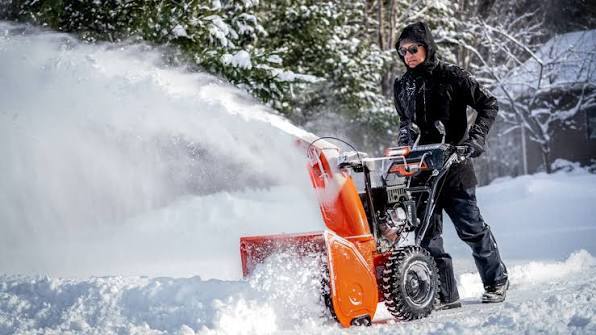
Larger properties, like commercial lots or long shared driveways, need companies with the right equipment for the job. A small residential plow truck isn’t going to handle a busy parking lot efficiently, and trying to make it work usually means slower service for everyone on that route.
For homeowners in a shared community or a busy neighborhood, checking with a service like Helpful Guys Edmonton can be a good starting point, since they connect people with local providers who already meet basic screening standards. It’s worth a look if you’re not sure where to start comparing options.
Watch for Red Flags During the Sales Conversation
The way a company talks to you before you’re a customer often predicts how they’ll treat you after. A few warning signs are worth paying attention to.
Vague answers about pricing or response times usually mean the company hasn’t thought through their own operations carefully. Pressure to sign immediately without giving you time to review the contract is another bad sign. And if they can’t name specific streets or neighborhoods they already service, they may be spreading themselves too thin to give you consistent coverage.
On the other hand, a company that asks you detailed questions about your property, driveway length, number of vehicles, tricky spots like a steep incline, is usually one that plans ahead instead of winging it.
Consider How They Handle Communication During Storms
Snowstorms are chaotic, and communication tends to break down fastest under pressure. Ask how the company keeps clients updated when a storm is active. Some send text alerts before and after each visit, which is genuinely useful if you need to know whether your driveway is clear before you leave for work.
A company with no plan for communication during active storms will likely leave you guessing, which is exactly the kind of stress you’re trying to avoid by hiring a professional in the first place.
Wrapping It Up
Picking a snow removal company isn’t complicated, but it does take a little homework before the season starts. Confirm insurance, read real reviews with an eye for storm performance, get a detailed written contract, and ask direct questions about equipment and communication. Do this in the fall, not after the first storm, and you’ll spend winter worrying about a lot of things that aren’t your driveway.