

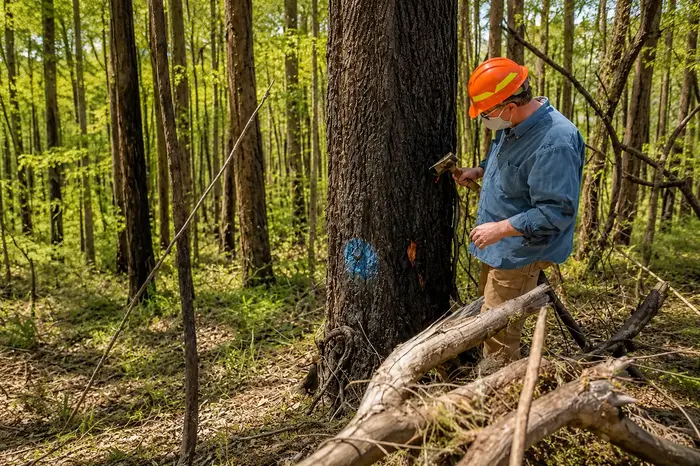
Trees provide shade, improve curb appeal, and make outdoor spaces more enjoyable. A healthy tree can live for many years and add value to your property. However, a tree that has become weak or damaged can quickly turn into a safety risk. Falling trees and large branches can damage homes, vehicles, fences, power lines, and anything else in their path. More importantly, they can seriously injure people.
The good news is that many hazardous trees show warning signs before they fail. Learning how to recognize these signs can help you take action before a problem becomes an emergency.
This guide explains how to identify a hazardous tree, what causes trees to become unsafe, and when it is time to contact a tree care professional.
What Is a Hazardous Tree?
A hazardous tree is one that has structural problems or health issues that increase the chance of falling or dropping large branches. Not every unhealthy tree is dangerous, but when defects affect its strength or stability, the risk becomes much higher.
Hazardous trees may fail during strong winds, heavy rain, or storms. In some cases, they can fall even during calm weather because the trunk or roots have become too weak to support the tree.
Why It Is Important to Spot Problems Early
Identifying tree problems early can prevent expensive property damage and improve safety around your home.
Early detection can help you:
- Reduce the risk of falling branches
- Protect your home and vehicles
- Keep your family and visitors safe
- Prevent damage to nearby trees
- Plan tree care before an emergency occurs
Regular inspections are one of the easiest ways to keep your landscape safe.
Look for Dead or Hanging Branches
Dead branches are one of the easiest warning signs to spot.
These branches often have no leaves during the growing season, brittle wood, or peeling bark. Large dead branches hanging over your roof, driveway, or walkways can fall without warning.
Even if the rest of the tree appears healthy, dead limbs should not be ignored because they can become dangerous over time.
Check the Trunk for Cracks
A healthy tree trunk should be solid and stable.
Large cracks or splits in the trunk may indicate that the tree has become structurally weak. Some cracks are visible on the outside, while others may run deep inside the wood.
Vertical cracks, hollow sections, and areas where bark is separating from the trunk should be evaluated as soon as possible.
Watch for Leaning Trees
Many trees naturally grow with a slight lean and remain stable for decades.
However, a tree that suddenly begins leaning or leans much more than before may have root damage or weakened soil support.
A leaning tree should receive immediate attention if:
- The lean appeared recently
- Soil is lifting around the roots
- Cracks appear in the ground
- The tree continues leaning after storms
These signs may indicate that the tree could fall.
Examine the Roots
Healthy roots provide the support that keeps a tree standing.
Unfortunately, most roots grow underground, making them difficult to inspect. Still, there are visible signs that may suggest root problems.
Look for:
- Raised soil around the base
- Exposed or broken roots
- Mushrooms growing near the trunk
- Soft or decaying wood around the base
- Construction damage near the root area
Damaged roots often reduce a tree’s stability, even if the upper portion still looks healthy.
Look for Hollow Areas
Some older trees develop hollow sections inside the trunk.
A hollow tree is not always dangerous, but if a large portion of the trunk has decayed, the tree may no longer be strong enough to support itself.
Large cavities should always be inspected by a qualified tree care professional.
Notice Missing Bark
Bark protects a tree from insects, disease, and weather.
Large areas of missing bark may indicate that the tree is under stress or has suffered damage.
If bark continues falling off or appears loose around the trunk, the tree’s health should be evaluated.
Watch for Fungal Growth
Fungi often grow on trees that are beginning to decay.
Mushrooms around the base of the trunk may indicate internal root rot. Shelf fungi growing on the trunk can also be a sign that decay has developed inside the tree.
Since internal decay is difficult to measure without professional equipment, fungal growth should never be ignored.
Pay Attention After Storms
Storms can weaken even healthy trees.
After heavy rain or strong winds, inspect your trees for:
- Broken limbs
- Hanging branches
- New cracks
- Leaning trunks
- Damaged roots
Some storm damage may not be immediately obvious, so checking your trees after severe weather is always a good idea.
Check for Dead Leaves During the Growing Season
A healthy tree should produce leaves during its normal growing period.
If large sections remain bare while nearby trees have full foliage, the tree may be experiencing stress or disease.
Other warning signs include:
- Small leaves
- Early leaf drop
- Discolored foliage
- Sparse canopy growth
These symptoms may point to declining tree health.
Watch for Insect Activity
Certain insects are attracted to weakened or dying trees.
Common signs include:
- Small holes in the bark
- Sawdust around the base
- Ant trails
- Carpenter ants
- Wood-boring insects
While insects may not always be the original problem, they often make existing damage worse.
Trees Growing Too Close to Structures
Even healthy trees can become hazardous if they grow too close to buildings.
Large branches hanging over roofs or touching power lines increase the chance of damage during storms.
Trees planted close to foundations may also create future problems as roots continue growing.
Regular pruning can reduce some risks, but severely damaged trees may require removal.
Multiple Warning Signs Increase the Risk
One small issue does not always mean a tree is dangerous.
However, when several warning signs appear together, the likelihood of failure increases.
For example:
- Leaning trunk and exposed roots
- Dead branches and trunk cracks
- Mushrooms with decaying wood
- Storm damage and hanging limbs
These combinations should be evaluated promptly.
How Often Should Trees Be Inspected?
Most homeowners should inspect their trees several times each year.
It is especially important to check trees:
- After major storms
- During spring growth
- In late summer
- Before hurricane or storm season
- Whenever you notice visible changes
Routine inspections help catch problems before they become serious.
Can a Hazardous Tree Be Saved?
Not every hazardous tree needs to be removed.
Some trees can be improved with proper pruning, deadwood removal, cabling, or other tree care methods.
The best solution depends on:
- The tree’s overall health
- The amount of structural damage
- Root condition
- Tree species
- Location near people or buildings
A professional assessment helps determine the safest option.
When Should a Tree Be Removed?
Removal may be necessary when a tree has become too unstable to remain safely in place.
Common reasons include:
- Severe trunk decay
- Major root damage
- Large structural cracks
- Extensive storm damage
- Dead or dying tree
- High risk of falling onto structures
Removing a hazardous tree before it fails often prevents more costly repairs later.
Frequently Asked Questions
How can I tell if my tree is dangerous?
Look for warning signs such as dead branches, trunk cracks, leaning, root damage, fungal growth, or large hollow areas. Multiple signs together usually indicate a greater risk.
Can a healthy-looking tree still fall?
Yes. Internal decay or root damage may not always be visible from the outside, which is why regular inspections are important.
Are dead branches always dangerous?
Dead branches can become brittle and fall without warning, especially during windy conditions.
Should I inspect my trees after every storm?
Yes. Storms can create hidden damage that may increase the chance of future branch or tree failure.
Can I remove a hazardous tree myself?
Large or damaged trees can be dangerous to remove without the proper training and equipment. Professional tree care is usually the safest option.
Final Thoughts
Hazardous trees often show warning signs before they fall. Dead branches, leaning trunks, cracked bark, fungal growth, damaged roots, and storm damage should never be overlooked. Regular inspections give homeowners the opportunity to identify problems early and reduce the risk of injury or property damage.
If you notice one or more of these warning signs, it is wise to have the tree evaluated before the situation becomes more serious. Acting early can help protect your home, your family, and the rest of your landscape.
Palm Beach Arbor provides professional tree care services for homeowners who need dependable solutions for hazardous trees. The team offers careful tree inspections, tree removal, tree trimming, and deadwood removal to help keep properties safe and well maintained. Every service is completed with attention to safety, quality, and the long-term health of your landscape.
























Leave a Reply