

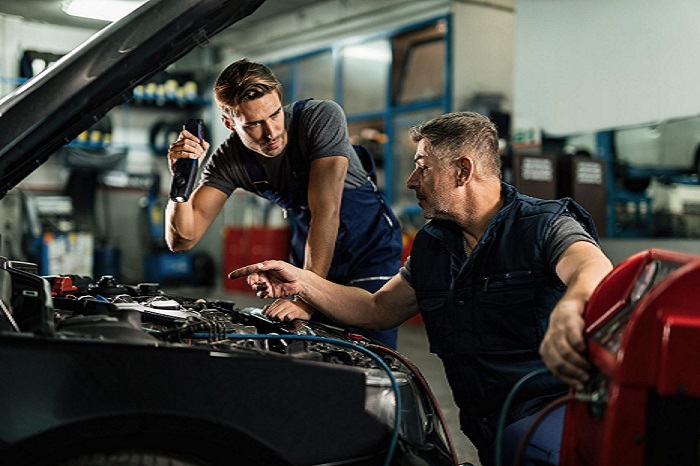
Auto body repair — You bring your car in after a fender bender. The dent is gone. The panel is straight. The shop did everything right. Then you step back into the sunlight and notice it — a slightly off shade. A patch that doesn’t quite belong. The repair is technically perfect, but visually, it tells a story you didn’t want it to tell.
That’s the color matching problem. And it’s more common than most people realize.
It’s Not Just About Looks
Most people think color matching is purely cosmetic. It’s not. Paint is your car’s first line of defense against rust, corrosion, and environmental wear. When the paint formula is wrong, the new coat won’t bond or layer correctly. That leads to adhesion issues, peeling, and premature fade.
Resale value takes a hit too. A mismatched panel drops a vehicle’s perceived worth noticeably. Buyers and appraisers catch it immediately. It raises questions about the repair quality overall, even when everything underneath is structurally solid.
Why Matching Automotive Paint Is Actually Hard
Modern automotive paint isn’t a single coat of color. It’s a layered system:
- A primer that prepares the surface
- A base coat that carries the pigment and metallic or pearl particles
- A clear coat on top for protection and gloss
On metallic and pearl finishes, light-reflective particles shift the car’s appearance depending on the viewing angle. That makes matching even harder.
Every manufacturer assigns a color code to each paint variant. But the same code can vary between production runs, between plants, and between model years. Paint also fades and oxidizes over time. Your six-year-old vehicle’s “Midnight Blue” looks different today than it did when it left the factory.
A skilled technician at a quality auto body repair shop matches to the car’s current color, not just its original code. That distinction matters.
This is where spectrophotometers come in. These tools scan the existing paint and measure the exact color data — hue, saturation, metallic content, and light behavior. The reading feeds into mixing software that builds a precise formula. Shops without this technology are guessing. Guessing is how you end up with that mismatched panel in the sunlight.
The Blending Process: Where Skill Really Shows
Even with a perfect formula, respraying just one panel often isn’t enough. Edges between panels can still show variation. The technician has to blend fresh paint into the surrounding areas to create a seamless transition.
Good blending takes real experience. A skilled technician understands:
- How different paint types behave under heat and humidity
- How long each layer needs to flash before the next coat goes on
- How the clear coat influences the final depth and gloss
Skip blending, and the repair announces itself every time you walk around the car.
When evaluating color match quality at any autobody repair shop near me, here’s what to look for:
- Spectrophotometer scanning — shops that skip this step work blind
- Waterborne or manufacturer-spec paints — these replicate OEM finishes closely
- Controlled spray booth — filtered air and stable temperature prevent contamination
- Certified technicians — I-CAR® training covers refinishing technique and color theory directly
What Happens When It Goes Wrong
A bad color match creates more than an aesthetic headache. When the paint formula is off, the new coat won’t bond properly with adjacent panels. Micro-cracking and delamination follow over time. Mismatched clear coat thickness makes the repaired zone look dull next to untouched paint, even when the color is close.
The financial impact is real too. Insurance companies, used car platforms, and buyers use paint meters during vehicle assessments. A poor color match flags the repair history. It affects how the car gets valued — and not in your favor.
Getting it right the first time costs less than fixing a bad result.
Questions to Ask Before Approving a Repair
Before handing over your keys, ask the shop these questions directly:
- Do you use a spectrophotometer to scan and match paint?
- What brand of paint do you use, and does it meet OEM specs?
- Do your technicians hold I-CAR® or manufacturer refinishing certifications?
- Can I see examples of past color-matched repairs?
A shop that answers these with specifics — not vague reassurances — takes refinishing seriously.
Choose the Right Shop for Your Car
Color matching is the final test of whether a repair was done right. Every step matters: the scanning technology, the spray environment, the technician’s skill, the blending technique. All of it determines whether your car comes back looking untouched, or whether the repair follows you everywhere you look.
If you’re searching for an autobody repair shop near me that gets this right, look at their certifications, their equipment, and the quality of their past work. Don’t hand your car to a shop that treats paint as an afterthought.
Spectrum Auto Inc.: Precision Color Matching Done Right
For over 30 years, Spectrum Auto Inc. has served West Nyack, Cortlandt, Wurtsboro, and the surrounding New York area as a trusted collision and auto body repair shop. Every technician holds I-CAR® Platinum certification. The shop carries the I-CAR® Gold Class designation, placing it among the highest-rated facilities in the industry.
As an OEM Certified Collision Center and Tesla-approved body shop, Spectrum Auto uses manufacturer-approved paints, spectrophotometer-based color matching, and controlled spray booth environments. The result is a factory-quality finish that holds up over time.
If you’ve been in an accident or need professional paint restoration, visit www.spectrumautoinc.com to schedule your estimate, or call any of their three locations directly.
Frequently Asked Questions
- Can any shop match my car’s paint color, or do I need a specialist?
Not all shops have the same capability. Professional color matching needs a spectrophotometer, proper mixing software, and a controlled spray booth. A shop without these tools relies on color codes alone. That doesn’t account for how your vehicle’s paint has aged and faded. Always ask about the shop’s color-matching process before committing.
- Why does my repaired panel look different in sunlight even though the shop said it matched?
Direct sunlight exposes color differences that look fine under shop lighting. Metallic and pearl finishes are especially sensitive to viewing angle. When this happens, the shop likely didn’t blend the repair into adjacent panels, or the formula wasn’t adjusted for the car’s existing fade. A proper refinish includes blending, not just repainting the damaged panel.
- Does color matching affect my car’s resale value?
Yes, significantly. A mismatched panel signals prior damage and raises doubts about repair quality. Appraisers and buyers use paint meters and visual checks as part of vehicle assessment. Any variation in color or gloss gets flagged. Precise color matching protects your investment and keeps your car’s history looking clean.
- How long does a proper color-matched repair take?
It depends on the extent of the damage. Color matching itself adds a few hours for scanning, mixing, and test sprays. The blending process takes more time than a basic single-panel repaint, but it’s what makes the result invisible. Most quality repairs finish within two to five days, depending on the scope of work.













Leave a Reply