Key Takeaways
- A custom name dog collar gives a dog visible identity during walks, travel, grooming, and quick outdoor breaks.
- A leather ID tag dog collar can be strong, quiet, and comfortable when the material is soft and the fit is correct.
- Small and medium dogs need careful sizing because loose collars may slip off, while tight collars may rub the skin.
- Clear text, safe hardware, regular cleaning, and updated contact details make a name dog collar more useful.
- The best collar works with training, microchips, food, and other pet essential choices.
Introduction
A dog collar may seem like a simple strap, yet it carries a lot of responsibility. It can hold a leash, show a dog’s name, and help a lost pet return home. For small and medium dogs, the right collar can make daily life safer and more comfortable.
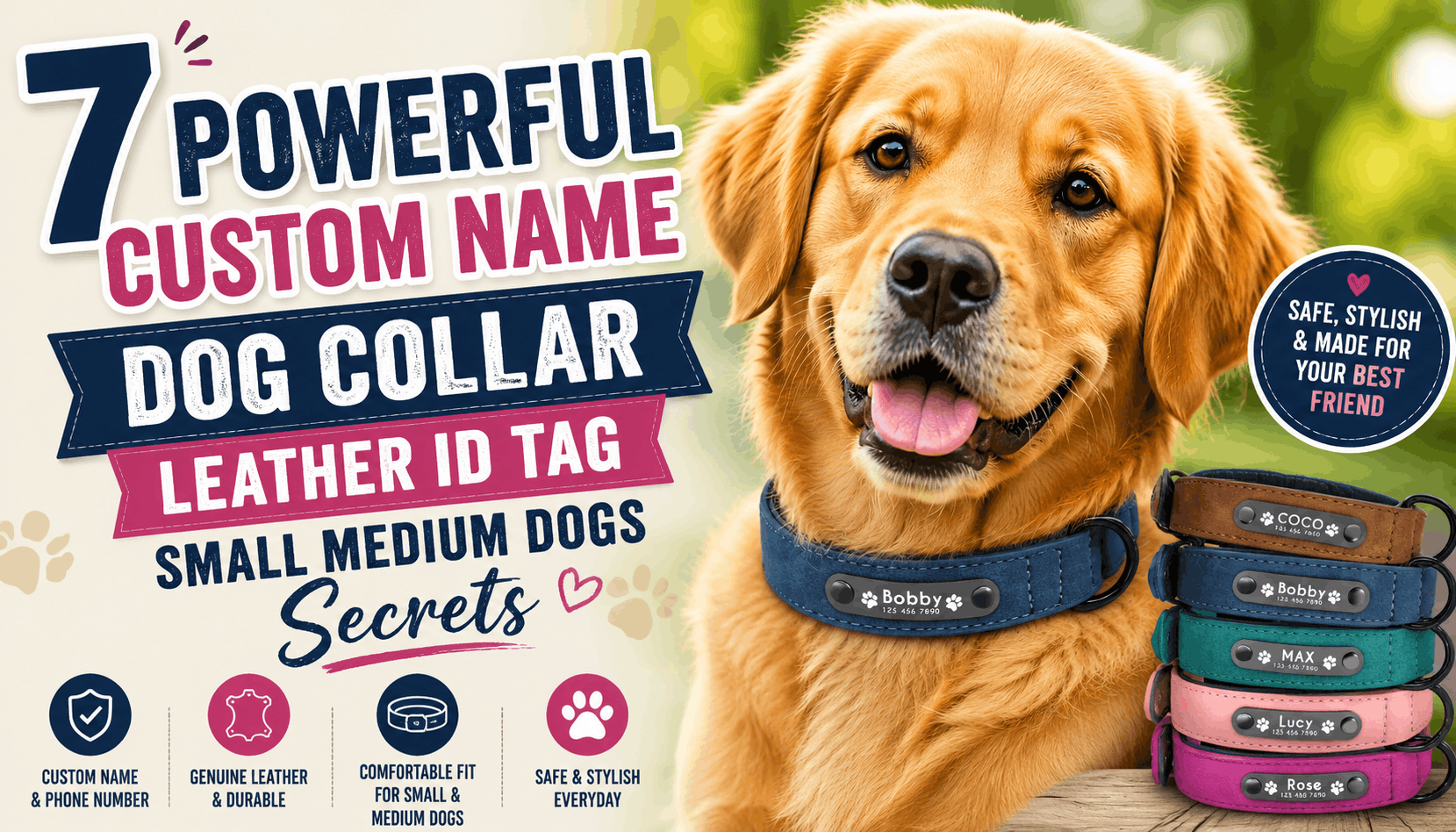
Many owners want a collar that looks warm and classic without giving up safety. A Custom Name Dog Collar Leather ID Tag Small Medium Dogs option can meet that need when it is chosen with care. It combines personal identity, leather style, and useful contact details in one pet essential.
This guide explains how custom collars work and why leather ID tags matter. It also covers comfort, cleaning, training, health, and practical buying tips. In addition, it shares natural internal links to helpful topics such as types of dog collars, pet tech gadgets, and weight management food for dogs.
Why Custom Name Dog Collar Leather ID Tag Small Medium Dogs Matters
A collar is one of the first items many dogs wear each day. It sits close to the neck. A good collar feels secure, smooth, and light enough for normal movement. A poor collar may slip, scratch, rub, or become hard to read.
A Custom Name Dog Collar is useful because it gives a dog visible daily identity. If a gate opens or a leash slips from a hand, the collar can help a finder act quickly. A phone number on the collar may be easier to use than waiting for a microchip scanner. The collar does not replace a chip, but it gives fast help.
A Name Dog Collar also helps in daily places. A neighbor may call the dog by name. A groomer may confirm the correct pet before a bath. A pet sitter may tell two similar dogs apart.
Leather adds a classic feel and can be practical. A Leather ID Tag Dog Collar can be quiet because the identity area may sit flat instead of hanging and jingling. This can help nervous dogs and quiet homes. Moreover, a flat ID area may catch less often on blankets, crates, or brush.
However, not every leather collar is the same. Good leather should bend without cracking. It should feel smooth on the side that touches the neck. The edges should not feel sharp. The hardware should feel strong and steady. A collar that looks good in a picture may still fail if the stitching, buckle, or name plate is weak.
Small and medium dogs need extra care with weight and width. A tiny dog should not carry a heavy buckle. A short-necked dog may dislike a wide band. A strong medium dog may need tougher hardware because it pulls harder during walks. The collar should match the dog’s body, coat, and behavior.
For example, a beagle may follow scents and pull suddenly. A French bulldog may have a thick neck and sensitive breathing. A spaniel may have long fur that hides the fit. A terrier may twist and bounce during play. Each dog needs a collar that works with real movement.
The custom text should be simple. A dog’s name and one current phone number are often enough. Some dogs may need a short note such as “Needs meds” or “Do not chase.” Too much text can become hard to read, especially on a small collar.
In addition, a collar can show that the dog has a home and a caring owner. This may encourage a stranger to help rather than assume the dog is stray. Clear identity builds trust quickly.
Pet owners who compare types of dog collars can better understand different styles, such as flat collars, rolled collars, martingale collars, and harness pairings. Still, a custom leather collar remains a strong everyday choice when the main goal is visible ID, comfort, and a neat look.
Safety identity and real life use
Safety begins with everyday mistakes that happen in normal homes. A door may stay open while groceries are carried inside. A child may forget to latch a gate. A dog may jump from a car before the leash is clipped. These moments are common, and visible identification can make them less scary.
A custom collar helps because a finder can read it right away. Microchips are important, but they need a vet, shelter, or rescue group with a scanner. A collar can be used by anyone who can read a name and call a number. Together, the collar and microchip form a stronger safety plan.
The collar should be easy to read from close range. Clear letters matter more than fancy text. High contrast can help on leather. If the name blends into the collar, the design may look stylish but lose practical value.
Fit is another safety point. Many owners use the two-finger rule. Two fingers should slide between the collar and the dog’s neck without force. However, this rule needs careful judgment. A fluffy dog may need the fur parted first. A tiny dog may need a softer check. A growing puppy may need checks every few days.
A loose collar can slide over the head or catch on objects. A tight collar can press the skin, cause hair loss, or make breathing less comfortable. The best fit feels secure without leaving marks. The dog should be able to sniff, sit, lie down, and turn the head normally.
Hardware should be checked often. Buckles should close fully. Rings should not bend. Rivets and plates should not wiggle. Sharp corners or loose parts can scratch the neck. If anything feels weak, the collar should be repaired by the maker or replaced.
A custom name dog collar can also help in social settings. At a dog park, another person may call the dog by name if it gets too excited. At a training class, the instructor may identify the dog quickly. At a boarding facility, staff can reduce mix-ups during feeding, walking, or pickup.
Travel makes collar safety even more important. During road trips, a dog should ride in a safe harness or crate. Still, a visible name collar helps at rest stops and hotels. New places bring new smells, sounds, and escape risks.
In multi-dog homes, custom collars help owners and helpers stay organized. Different names on collars can help with feeding plans, medicine, grooming times, and vet visits. This is especially useful when dogs look alike or share the same color.
The collar should also match the dog’s personality. A shy dog may need an ID note that asks people not to chase. An elderly dog may need lighter hardware. An active dog may need a stronger ring. A smart choice respects the dog as an individual.
How to choose a leather ID tag dog collar that fits
Choosing a collar should start with measurement, not color. A soft measuring tape should wrap around the base of the dog’s neck where the collar normally rests. The tape should touch the fur without squeezing. After that, the owner should compare the number with the seller’s size chart.
Breed guesses can be wrong. Two dogs from the same breed may have very different neck sizes. A compact bulldog may need a larger collar than a taller dog with a slimmer neck. A mixed breed may not match any usual size guide. Measuring is the safest first step.
Width matters too. A very thin collar can dig into the neck if a dog pulls. A very wide collar can feel bulky on a small dog. The right width spreads light pressure without blocking movement. The dog should not seem stiff or bothered.
Weight is often overlooked. Small dogs feel collar weight more than medium dogs. A heavy name plate, thick buckle, or large ring can pull the collar forward. Lightweight hardware can make a big difference for toy and small breeds. Medium dogs can carry stronger parts, but comfort still matters.
Leather quality should be checked by touch and sight. Smooth leather is less likely to rub. Flexible leather moves with the dog. Even stitching helps the collar hold shape. Finished edges reduce scratching. The inside surface should feel gentle because that side touches the neck all day.
A leather ID tag should sit flat and secure. If the tag sticks out, it may catch on fabric or press into the skin. If the text is too small, it may not help in an emergency. A good tag is neat, readable, and firmly attached.
The closure style also matters. A buckle collar gives a classic look and can be secure when sized well. A quick-release closure may be easier for some homes, but it must be strong enough for the dog. The best choice depends on strength, age, coat type, and daily routine.
For puppies, adjustability is important. Puppies grow fast, and a perfect fit can become tight in a short time. The collar should be checked often and replaced when the puppy outgrows it. A chewing puppy should also be watched because leather can become a target.
For senior dogs, softness may matter more. Older dogs may have thinner skin, sore joints, or less patience with heavy gear. A softer collar with simple hardware may feel better. The owner should look for rubbing, hair loss, or changes in behavior.
Dogs with allergies or sensitive skin may need extra attention. Some pets react to certain dyes, metals, or cleaners. If scratching starts after a new collar, the collar should be removed and the skin checked. A veterinarian can help if irritation continues.
A collar should also work with a leash plan. Dogs that pull hard may be safer with a harness for walks while the collar holds ID. This protects the neck and still keeps the name and number visible. The collar and harness can work as a team.
Pet owners who search for best pet products often want gear that solves daily problems. A custom leather collar belongs in that group because it supports safety, comfort, and identity every day. It is more than a style choice.
Sizing comfort and design checklist
A practical checklist can prevent costly mistakes. First, the collar should match the dog’s current neck size. The owner should measure more than once if the dog wiggles. A calm moment may give a better result.
Second, the collar should allow normal movement. The dog should lower the head to sniff, turn around, lie down, and drink water without discomfort. If the collar pushes into the jaw or shoulders, it may be too wide or stiff.
Third, the text should be readable. A phone number hidden by fur or printed in tiny letters is not helpful. The best custom text is short and clear. Large spacing can matter more than extra words.
Fourth, the hardware should match the dog’s strength. A delicate small dog needs light pieces. A strong medium dog needs solid metal parts. The leash ring should feel firmly attached and should not twist oddly.
Fifth, the design should avoid clutter. Heavy charms, sharp decorations, and dangling extras may look cute but can annoy the dog. Simple design is often safer for daily wear. Style should support comfort, not fight it.
Sixth, the collar should be easy to clean. Leather can last well, but it needs gentle care. A collar that cannot be wiped or dried properly may smell, crack, or stain. Care needs should fit the family routine.
Long-haired dogs need fit checks under the fur. Mats can form under collars, especially behind the ears and around the neck. Brushing that area helps prevent pulling and skin irritation. After grooming, the collar may need a size adjustment because the coat is shorter.
Short-haired dogs need smooth edges. Their skin has less padding, so rubbing can show quickly. Owners should check for redness after the first few days of wear. Any sore spot is a sign to adjust or change the collar.
A healthy weight also supports a good fit. Weight gain can make a collar tight. Weight loss can make it loose. Helpful resources such as Weight Management Food for Dogs can support wider care decisions when a dog’s body shape changes.
Families should also think about daily settings. A city dog may need brighter contrast or added reflective gear. A country dog may need tougher leather and more frequent cleaning. A dog that visits day care may need extra clear identification.
A good buying choice usually includes these signs:
- Clear size chart
- Smooth inner surface
- Strong buckle or closure
- Firm leash ring
- Readable custom text
- Comfortable collar weight
- Finished edges
- Simple care instructions
Warning signs include sharp edges, weak stitching, blurry letters, bad smells, peeling finish, or hardware that feels thin. A collar with these problems may not be safe for daily use.
The final judge is the dog. A comfortable dog usually forgets the collar after a short time. A dog that scratches, freezes, rubs against furniture, or acts worried may be showing discomfort. Careful owners notice these signs and make changes before small problems grow.
Daily care training and smart pet product choices
A custom leather collar works best when it is part of a steady routine. Before walks, the owner should check the buckle, leash ring, and fit. This quick habit can stop problems before the dog reaches a sidewalk, park, or parking lot.
After outdoor play, the collar may hold dirt, grass, sand, or moisture. A soft cloth can remove surface dirt. If leather gets wet, it should dry at room temperature. Direct heat from a dryer, heater, or hot sun can make leather stiff and cracked.
The ID area should stay easy to read. Faded text, covered letters, or an old phone number reduce the collar’s value. Contact details should be updated as soon as they change. A collar with wrong information may give a finder no real help.
Some owners remove collars during quiet indoor rest. This can give the neck a break and reduce catching risks around crates or furniture. However, homes with door-dashing dogs may need collars on more often. The safest routine depends on the dog and the home.
Training supports collar safety. A dog that waits at doors, comes when called, and walks calmly is less likely to escape. A collar is a helpful tool, but it cannot replace patient training. Kind rewards, short practice sessions, and clear rules build better habits.
A collar should not be used for harsh corrections. Jerking the leash can hurt the neck and scare the dog. A harness may be better for dogs that pull, cough, or have sensitive throats. The collar can still carry the name and phone number while the harness handles leash pressure.
Grooming also protects the collar area. Brushing removes trapped hair and dirt. Bath time gives owners a chance to look for redness or bumps. After a bath, the collar should not go back on until the neck and collar are dry.
Pet tech can add another layer of support. Some owners use trackers, cameras, or smart feeders. A small tracker may attach to a collar, but it should not make the collar too heavy. Useful guides on Pet Tech Gadgets can help owners learn which tools may fit a pet’s routine.
Food and activity matter too. A dog at a healthy weight often has better breathing, easier movement, and a more stable collar fit. Sudden weight changes should lead to a fresh collar check. A collar that fit in spring may not fit in winter.
A backup collar is a smart idea. If the main collar is wet, damaged, or misplaced, the dog still has ID. This is helpful before trips, vet visits, boarding, or grooming appointments. A spare pet essential can prevent rushed choices.
Owners who browse top pet products may notice that the best items often work together. A collar, leash, harness, grooming brush, healthy food plan, and safe travel item each solve a different need. The collar is one part of a complete care system.
Cleaning storage and family routines
Cleaning a leather collar should be gentle. The collar should be removed first. A slightly damp cloth can wipe away dirt. Harsh scrubbing, soaking, or strong cleaners can damage leather and may bother the dog’s skin later.
If the maker recommends conditioner, a small amount may help keep the leather flexible. Too much product can leave a greasy feel and attract dirt. Any product used near a pet should be safe and mild. Less is usually better.
Hardware needs its own check. Buckles should move smoothly. Rings should not bend or rust. Rivets and plates should stay tight. Small changes can become safety problems if ignored.
Storage should be dry and simple. A collar should not sit in a wet bag or under heavy objects. A hook near the leash area can keep it ready for walks. This also makes it easy to notice dirt or damage.
Family routines make a big difference. Every caregiver should know how the collar should fit. Children should not remove it without help. Pet sitters should know where the backup collar is stored. Clear household habits lower the chance of mistakes.
A simple weekly routine can include four steps. The owner can check fit, read the ID text, inspect hardware, and look at the skin. This takes little time but supports comfort and safety.
Seasonal changes can affect fit. Winter fur may make a collar tight. Summer grooming may make it loose. More treats during holidays may change neck size. More exercise may do the same in the opposite direction. The collar should follow the dog’s body, not the calendar.
Different lifestyles need different care. A beach dog may need salt and sand wiped away. A hiking dog may need burrs removed. A city dog may need grime cleaned from the inside of the collar. A calm indoor dog may need lighter maintenance but still needs checks.
A collar should be replaced when it becomes unsafe. Cracked leather, unreadable text, stretched holes, bent rings, or loose plates are clear warning signs. Repair may be possible in some cases, but daily safety should come first.
Good collar routines can teach owners to notice small changes in the dog. Scratching may point to skin trouble. A loose fit may show weight loss. A tight fit may show growth or weight gain. The collar becomes a small daily health clue.
In the end, care is not complicated. It is steady. A clean collar, readable name, current phone number, and calm dog create a strong everyday setup. That simple routine helps the collar do its job when it matters most.
FAQs
What information should be on a custom name dog collar
A custom name dog collar should show the dog’s name and one current phone number. This is usually enough for a finder to act quickly. The text should be large enough to read and simple enough to understand.
Some dogs may need one short note. A dog with medicine needs may have “Needs meds.” A shy dog may have “Do not chase.” A deaf dog may have “Deaf.” Short notes are best because small collars have limited space.
A full home address is not always needed. Many owners prefer a phone number for privacy and speed. A microchip can hold deeper records for shelters and vets.
Is a leather ID tag dog collar good for small dogs
A leather ID tag dog collar can be good for small dogs when it is soft, light, and correctly sized. The leather should not feel stiff or sharp. The hardware should not pull the collar forward.
Small dogs need special care because their necks are delicate. A heavy plate or thick buckle may feel uncomfortable. A narrow but smooth collar may work better, as long as it does not dig into the skin.
The owner should watch the dog after first use. Scratching, rubbing, freezing, or hiding may show discomfort. Red skin or hair loss means the collar needs adjustment or replacement.
How often should a name dog collar be checked
A name dog collar should be checked several times each week. Puppies need even more checks because they grow quickly. Dogs with changing weight, thick coats, or recent grooming also need extra attention.
The owner should check fit, text, hardware, and skin. The phone number should be readable. The buckle should close fully. The collar should not leave deep marks or slide over the head.
Checks should also happen after muddy play, rain, boarding, travel, or a haircut. A safe collar today may not fit the same way next month.
Can a custom collar replace a microchip
A custom collar should not replace a microchip. The collar gives fast visible contact details, but it can fall off or be removed. A microchip gives backup identification if the collar is missing.
The strongest plan uses both tools. A neighbor can call the collar number right away. A vet or shelter can scan the microchip if needed. Both records should stay current.
This combined plan gives a lost dog a better chance of returning home. It also gives owners more peace of mind during travel, walks, and busy daily life.
Conclusion
A Custom Name Dog Collar Leather ID Tag Small Medium Dogs choice can be a smart daily safety tool. It gives a dog visible identity, helps a finder make quick contact, and adds a classic look when the leather is well made. Although the collar is small, its role is important.
The best choice starts with fit. Small and medium dogs have different neck shapes, coat types, and activity levels. A collar should stay secure without rubbing, slipping, or feeling heavy. Measuring, checking, and adjusting are simple steps that protect comfort.
Material quality is just as important. Smooth leather, finished edges, strong hardware, and clear custom text all support safe use. A collar that looks nice but feels rough or becomes unreadable does not serve the dog well.
A name dog collar also works best within a larger care plan that includes some of the best pet products for overall safety and comfort. Microchips, training tools, grooming supplies, healthy food, safe home setups, and good leash habits all work together to protect the dog. The collar becomes one strong layer in this wider system of care.
Regular care keeps the collar useful. Dirt should be wiped away. Wet leather should dry slowly. Hardware should be checked often. Phone numbers should always stay current. These simple habits can make a big difference during an emergency.
In addition, owners should carefully watch the dog’s behavior. Scratching, rubbing, or acting uncomfortable may show that the collar does not feel right. A dog cannot explain the problem in words, so observation is very important.
The right collar is not just an accessory. It is a sign of care, a safety aid, and a daily comfort item. When paired with the right size, clear ID details, and steady maintenance, a custom leather name collar can support small and medium dogs through walks, travel, playtime, and safe returns home.