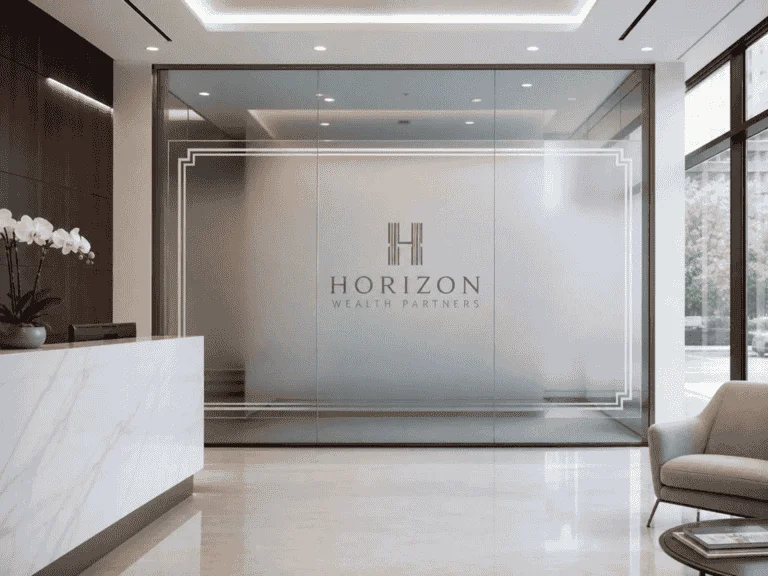
Glass has become a common feature in offices, shops, clinics, restaurants, and modern homes. It allows light to move through a space and creates an open appearance, but clear glass can sometimes leave rooms feeling too exposed. A Frosted Glass Sticker offers a practical way to add privacy while also giving glass surfaces a more considered appearance.
Frosted film does not have to be plain. It can be arranged in lines, patterns, shapes, and customised sections to suit the purpose of a particular space. One particularly useful option is a Logo Cut Frosted Sticker, which combines privacy requirements with visual branding.
The right design depends on the location of the glass, the amount of privacy required, and the overall style of the interior. Understanding these factors can help create a result that looks natural rather than overly decorated.
Understanding the Purpose of a Frosted Glass Sticker
A frosted sticker is applied to a glass surface to reduce direct visibility while allowing light to pass through. It can cover the complete panel or only selected areas.
The amount of coverage makes a significant difference. Full coverage may be suitable where stronger privacy is required, while partial frosting can preserve clear sections and maintain visual openness.
Common reasons for using frosted film include:
- Creating privacy on glass partitions
- Dividing open interior spaces visually
- Adding decorative patterns to plain glass
- Identifying offices or rooms
- Including logos and brand elements
- Reducing direct views into selected areas
Because the film can be customised in different layouts, it can serve both practical and decorative purposes.
Why Glass Needs More Than a Plain Surface
Clear glass is useful for allowing natural light into a room, but complete transparency is not always appropriate. A meeting room, private office, consultation room, or treatment area may require some level of visual separation.
Solid walls can create privacy, but they also change the open feeling of an interior. Frosted film provides another option by allowing the glass to remain part of the space while limiting direct views through selected areas.
The design can be adjusted according to the room. A simple horizontal band may suit a professional office, while a more detailed pattern may work in a reception area or retail environment.
This flexibility is one of the main reasons a Frosted Glass Sticker is used across different types of interiors.
Logo Cut Frosted Sticker for Branded Glass
A Logo Cut Frosted Sticker uses a logo or brand-related shape as part of the frosted design. Depending on the design approach, the logo may appear as a frosted element surrounded by clear glass, or as a clear cut-out within a frosted section.
The result depends on the artwork, the position of the glass, and the desired level of visibility.
For example, an office may use a frosted band across a glass partition with a clear company logo positioned in the centre. This can provide privacy across the main viewing area while keeping the logo visible.
A reception area may use a larger logo design on an entrance partition, while smaller branding elements may be more appropriate for individual office doors.
The important point is that the logo should fit naturally into the overall design rather than appearing as an unrelated addition.
Where Logo-Based Frosted Designs Can Be Used
Customised frosted glass designs can be adapted to many environments.
Office Entrances
The entrance to an office often provides the first view of the workplace. A logo incorporated into frosted film can identify the business while maintaining a clean appearance.
The amount of frosting can be adjusted depending on how much privacy is needed behind the entrance glass.
Meeting Room Partitions
Meeting rooms commonly use glass walls to maintain an open interior layout. A frosted design can reduce direct visibility into the room.
Adding a logo or subtle brand pattern to the design can make the partition feel more connected to the rest of the workspace.
Reception Areas
Reception spaces often benefit from visual details that help identify the business or organisation. A logo cut design can be placed on front-facing glass panels without requiring the entire surface to be covered.
Retail and Commercial Spaces
Shops and commercial interiors can use frosted patterns to separate areas, highlight entrances, or add decorative elements to glass surfaces.
The design should still allow the glass to support the purpose of the space rather than blocking important displays or views.
Clinics and Professional Facilities
Privacy can be important in consultation rooms and treatment areas. Frosted sections can be positioned at suitable viewing heights, while room names or simple branding may be incorporated where appropriate.
Choosing the Right Amount of Frosting
One of the first decisions is how much of the glass should be covered.
There is no universal answer because privacy requirements differ from one location to another.
A full frosted surface may be suitable for a room where direct visibility needs to be limited. However, a partial design may be sufficient for an office partition where people only need privacy at a particular height.
Before selecting the layout, consider:
- Where people usually stand or sit
- Which areas require visual privacy
- How much natural light should remain available
- Whether the glass is viewed from both sides
- Where handles, frames, and other fittings are located
These practical details can influence the design more than the pattern itself.
Design Choices That Affect the Final Appearance
A good frosted design considers proportion and spacing.
Pattern Scale
Small details can disappear when placed on a large glass wall. Similarly, oversized elements may look heavy on a narrow door.
The design should be reviewed in relation to the actual dimensions of the glass.
Spacing
Consistent spacing is particularly important when using lines, repeated shapes, or multiple logos. Uneven gaps can make an otherwise simple design look unplanned.
Positioning
A logo placed too high or too low may not be easily visible. It can also lose its effect if it is interrupted by a door handle or frame.
The position should be based on the physical features of the glass rather than placing the artwork in the centre automatically.
Clear and Frosted Contrast
A design can use the contrast between transparent and frosted areas to create visual interest. Clear cut-outs can form letters, symbols, or logos within a frosted background.
This approach requires careful planning because the surrounding environment will remain visible through the clear sections.
Preparing Artwork for a Logo Cut Design
The quality of the original logo artwork can affect how accurately the design can be reproduced.
Simple, clearly defined shapes are generally easier to adapt to a cut design. Very small details, thin lines, or closely spaced elements may require additional consideration depending on the size of the final installation.
Before finalising the design, it is helpful to review:
- The overall logo shape
- Small text and fine details
- The intended size on the glass
- The position of the logo
- Whether the logo will be frosted or clear
- How the design appears against the background behind the glass
A design that looks clear on a computer screen may need adjustments when viewed at the actual installation size.
Practical Benefits of Custom Frosted Designs
A customised frosted design can provide several practical advantages when used appropriately.
Visual privacy: Frosted areas can limit direct views through selected sections of glass.
Light transmission: Glass can continue to allow light between areas even when parts of the surface are frosted.
Interior definition: Patterns can help distinguish meeting rooms, private areas, entrances, and other zones.
Brand recognition: A logo or visual identity can be included as part of the glass design.
Design flexibility: Coverage, patterns, and shapes can be planned according to the individual surface.
The value of these benefits depends on choosing a layout that matches the actual use of the space.
Common Design Mistakes to Avoid
A few planning mistakes can reduce the effectiveness of the finished design.
Using Too Many Elements
Combining large logos, multiple patterns, text, borders, and decorative shapes on one glass panel can make the design feel crowded.
It is often better to select one main visual idea and support it with simpler elements.
Ignoring the Surrounding Space
Glass is affected by what sits behind it. A clear logo cut-out may look different against a bright wall than it does against a busy workspace.
The design should be considered in its actual environment.
Forgetting About Both Sides of the Glass
Many partitions are visible from two directions. Text and logos require particular attention because their appearance may differ depending on how the film is applied.
Choosing Privacy Without Considering Visibility
Frosting should be placed where privacy is needed. Covering unnecessary areas can reduce the open appearance of the room without providing an additional practical benefit.
Working Without Accurate Measurements
Even a strong design can look incorrect if its position does not match the dimensions of the glass or the location of handles and frames.
Tips for Planning a Frosted Glass Sticker
A structured approach can make the selection process easier.
First, identify the purpose of each glass panel. Not every surface requires the same level of coverage.
Next, decide whether the design should be mainly functional, decorative, or brand-focused. This helps establish priorities.
Then consider the following:
- Keep important logos easy to recognise.
- Match the pattern with the size of the glass.
- Use clear sections thoughtfully.
- Avoid placing key details behind door hardware.
- Maintain consistent alignment across connected panels.
- Consider viewing distances.
- Review the design in the context of the entire room.
These steps can help prevent unnecessary changes after the design has been finalised.
Combining Privacy With a Professional Interior
A successful glass design should feel connected to the interior rather than placed on the surface as an afterthought.
For a formal workplace, clean lines and restrained logo placement may be appropriate. A creative office might use more expressive shapes while still keeping important privacy areas functional.
In a retail environment, the design may focus more on visual identity and customer-facing presentation. In a private facility, the priority may be controlled visibility.
The same material can therefore be used in very different ways. The design should respond to the needs of the location instead of following a single standard pattern.
Conclusion
A Frosted Glass Sticker can help turn an ordinary glass surface into a more functional part of an interior. By controlling visibility and introducing carefully planned patterns, frosting can support both privacy and visual organisation.
A Logo Cut Frosted Sticker adds another dimension by incorporating brand identity into the glass itself. When the logo is correctly sized, positioned, and integrated with the overall layout, it can complement the practical purpose of the frosted areas.
The best design begins with the space rather than the pattern. Consider how the glass is used, where privacy is required, what should remain visible, and how the finished design relates to the surrounding interior. With these details in mind, a customised frosted glass design can be clear, purposeful, and visually balanced.