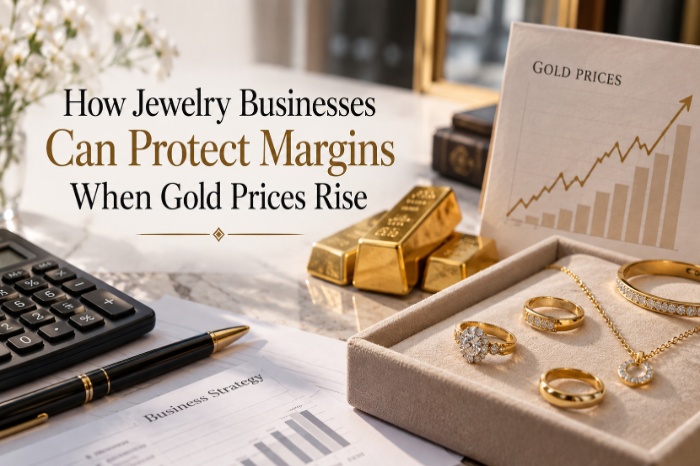
gold prices Every jeweler eventually lives through the same uncomfortable stretch of months: gold price climb, raw material costs rise faster than retail prices can reasonably follow, and margins start quietly shrinking even while sales numbers look steady on the surface. It’s one of the most persistent challenges in the jewelry industry, and unlike a slow season or a shift in customer taste, it’s largely out of any individual business’s control. What is within a business’s control, however, is how it responds. Businesses that weather these periods well tend to share a few things in common. They don’t panic-price their way through it, they don’t quietly sacrifice quality to protect margins, and they think strategically about where costs can genuinely be managed without compromising the customer experience. This piece breaks down the practical approaches that actually work.
Understand Where Your Margin Is Actually Being Squeezed
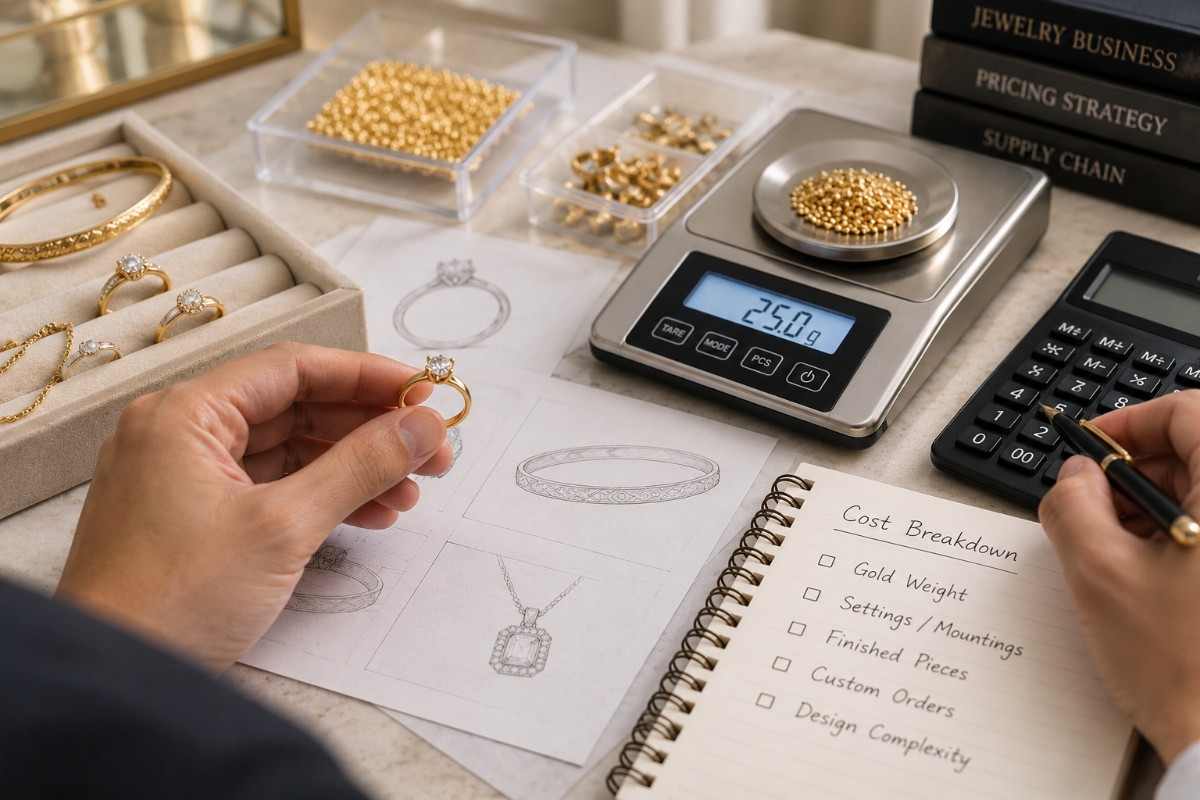
Before making any pricing or sourcing decisions, it’s worth mapping out exactly where rising gold prices are hitting your business hardest. Is it primarily affecting finished pieces you purchase wholesale? Custom work where you’re sourcing raw gold directly? Mountings and settings that require a specific metal weight regardless of design complexity? Different parts of a jewelry business absorb gold price increases differently. A solitaire ring with a modest metal footprint is affected less dramatically than a substantial bangle or a heavily detailed halo setting that requires significantly more metal by weight. Understanding this breakdown helps you make targeted decisions, rather than applying a blanket price increase across your entire catalog that might overcorrect in some areas and undercorrect in others.
Reconsider Design Efficiency Without Sacrificing Quality
One of the more overlooked strategies during periods of rising gold prices is revisiting design efficiency. This doesn’t mean cutting corners or using inferior materials, it means working with manufacturing partners who understand how to achieve a design’s visual impact without unnecessary metal weight. Skilled mounting manufacturers can often reduce metal usage in areas that don’t affect visual presentation or structural integrity, such as optimizing the underside of a setting or refining gallery details, while maintaining the same strength and appearance the customer actually sees and feels. This is a place where working with an experienced source of mounting jewellery genuinely pays off, since manufacturers who understand both design and metallurgy can identify these efficiencies in ways that protect margins without customers ever noticing a difference in quality.
Diversify Your Product Mix Strategically
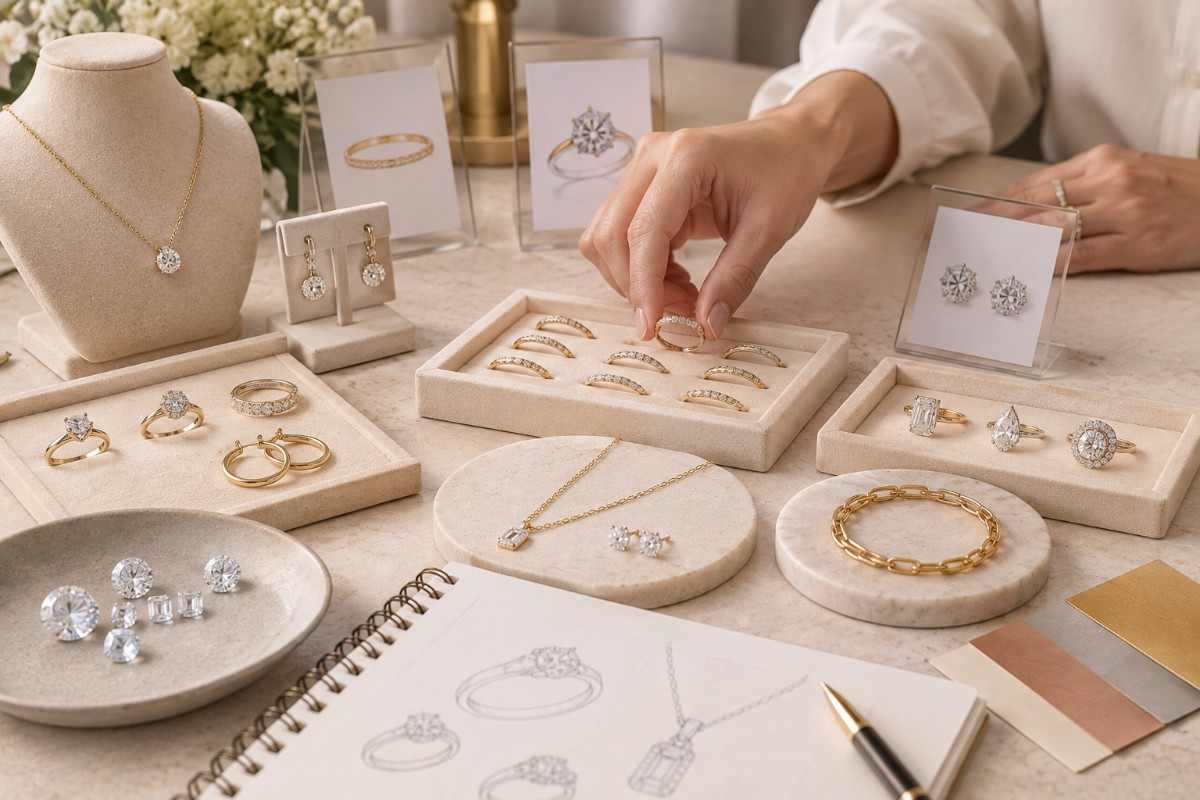
When gold prices rise, businesses that rely heavily on gold-intensive pieces feel the pressure more acutely than those with a more diversified catalog. This is a good moment to evaluate whether your product mix leans too heavily in one direction. Expanding into styles that use less metal by design, delicate stacking bands, pieces that emphasize stone presence over substantial metalwork, or designs incorporating lab-grown diamonds alongside more modest gold settings, can help balance overall margin exposure across your catalog. This isn’t about abandoning your signature styles, it’s about building enough variety into your offerings that a spike in gold prices doesn’t threaten your entire business model at once. A well-diversified catalog acts as a kind of natural hedge against raw material volatility.
Communicate Value Transparently With Customers
Many jewelers hesitate to discuss pricing changes openly, worried it will scare customers away. In practice, the opposite is often true. Customers today are reasonably aware that gold prices fluctuate, and many appreciate transparency over a business quietly reducing quality or raising prices without explanation. Being upfront that certain pieces reflect current gold market pricing, and explaining why quality and craftsmanship haven’t changed even if prices have, tends to build more trust than silence does. This is particularly effective when paired with genuine reassurance about consistent sourcing and craftsmanship standards, since customers want to know they’re still getting the same quality even during a period of rising costs.
Lock In Pricing Where Possible Through Supplier Relationships

Strong, established relationships with manufacturing partners can offer real protection during volatile pricing periods. Suppliers who value long-term partnerships are often willing to work with reliable, high-volume buyers on more predictable pricing structures, even during periods when raw material costs are climbing. This is one of the clearest advantages of building a dependable, long-term relationship with a trusted manufacturer rather than sourcing opportunistically from whichever supplier offers the lowest price at any given moment. MeruliyaJewels, for example, has built its manufacturing relationships around exactly this kind of long-term reliability, working closely with retail partners to maintain consistency and communication even when broader market conditions shift. Businesses that prioritize these kinds of stable partnerships tend to navigate pricing volatility with far less disruption than those constantly chasing the lowest quote.
Consider Strategic Use of Lower-Karat Gold or Alternative Metals
Depending on your customer base and brand positioning, offering pieces in 14k gold alongside 18k options, or introducing alternative metals like sterling silver with vermeil finishing for certain product lines, can provide meaningful flexibility during periods of high gold pricing. This isn’t about compromising your brand’s quality standards, it’s about giving customers more accessible price points without abandoning your core offerings entirely. Many customers genuinely don’t have a strong preference between karat weights and are more focused on overall design and value. Offering this flexibility, clearly and transparently, can help maintain sales volume even when per-item margins are under pressure.
Avoid the Temptation to Cut Corners on Craftsmanship
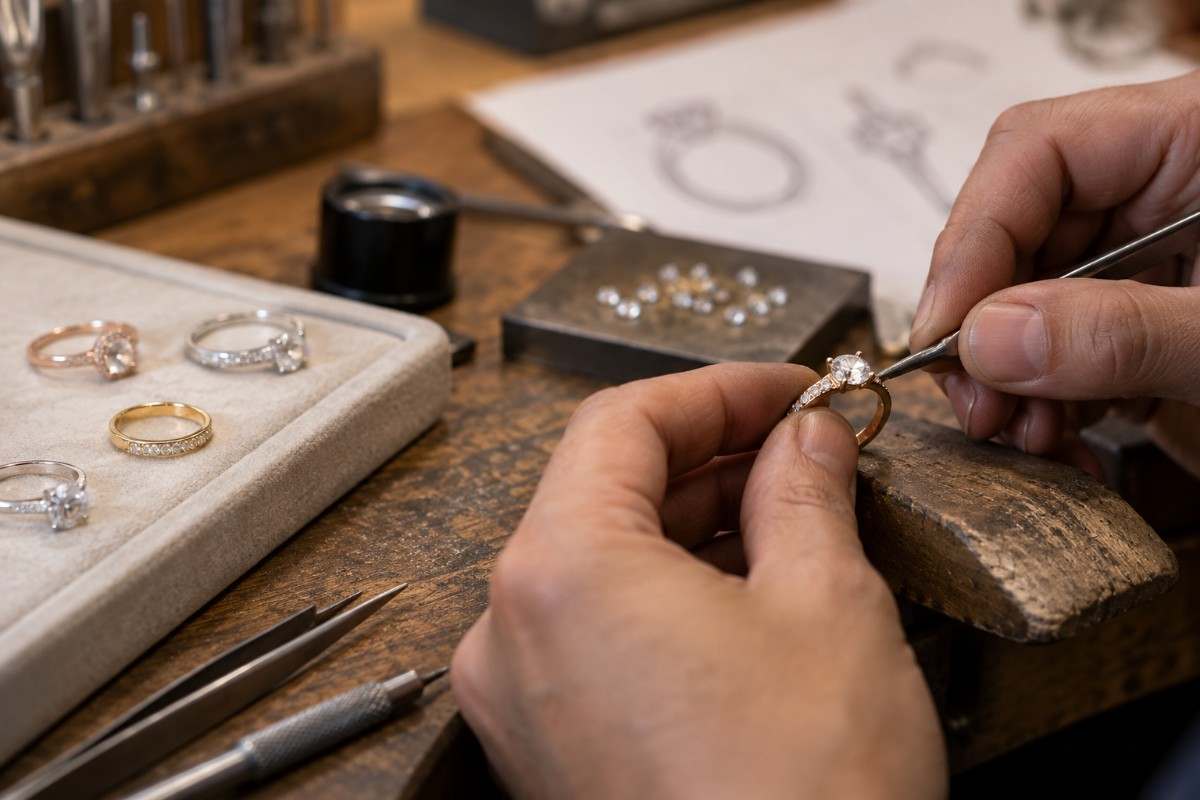
It can be tempting, during periods of financial pressure, to look for savings in places that ultimately harm the business more than they help. Thinner metal, rushed finishing, inconsistent prong work, these might reduce costs in the short term, but they create long-term damage to brand reputation, increase return rates, and erode the customer trust that took years to build. This is precisely why maintaining relationships with manufacturers who prioritize consistent craftsmanship, even during challenging pricing periods, matters so much. A business’s reputation for quality is one of its most valuable long-term assets, and protecting it should take priority over short-term cost-cutting that risks undermining years of brand-building.
Practical Steps to Take Right Now
- Audit your catalog to identify which pieces are most exposed to gold price fluctuations based on metal weight.
- Talk to your manufacturing partners about design efficiency opportunities that don’t compromise visual quality or structural integrity.
- Review your product mix and consider whether diversifying into less metal-intensive designs makes sense for your brand.
- Communicate openly with customers about pricing, rather than making silent adjustments that could erode trust if noticed later.
- Strengthen long-term supplier relationships rather than constantly switching manufacturers based on short-term pricing alone.
- Explore flexible metal options that give customers more accessible price points without compromising your brand’s core quality standards.
Final Thoughts
Rising gold prices are simply a recurring reality of doing business in the jewelry industry, and no strategy will eliminate that pressure entirely. What separates businesses that thrive through these periods from those that struggle is how thoughtfully they respond: through smarter design efficiency, diversified product offerings, transparent customer communication, and strong, dependable manufacturing partnerships. Companies like MeruliyaJewels that focus on genuine craftsmanship and long-term reliability give retail partners a real advantage during volatile periods, precisely because that stability doesn’t disappear when market conditions get harder. Protecting margins isn’t about finding shortcuts, it’s about building a business resilient enough to weather these fluctuations without compromising the quality that earned customer trust in the first place.