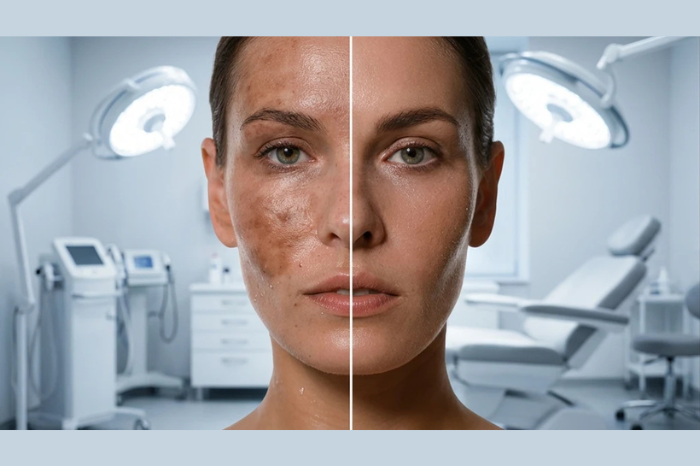
Many people notice that their skin health problems become worse during stressful periods. Acne breakouts before exams, dull skin during work pressure, or increased sensitivity during emotional stress are common experiences for many individuals. While skincare products are important for maintaining healthy skin, emotional and mental well-being also plays a major role in skin condition.
Stress and anxiety affect the body internally through hormones, inflammation, sleep quality, and immune system changes. These internal reactions can directly influence skin texture, hydration, oil production, and overall appearance. In many cases, the skin becomes a visible reflection of what the body is experiencing emotionally.
Understanding how stress affects the skin can help people build healthier habits that support both mental wellness and long-term skin health naturally.
The Science Behind Stress and Skin Problems
When the body experiences stress, it activates the “fight or flight” response. During this process, stress hormones such as cortisol and adrenaline increase.
Higher cortisol levels may:
- Stimulate excess oil production
- Increase inflammation
- Weaken the skin barrier
- Slow down skin repair
- Trigger acne flare-ups
Inflammation caused by stress may also worsen existing skin conditions. Even people who normally have healthy skin may notice changes during emotionally stressful periods.
How Stress Causes Acne Breakouts
Stress-related acne is one of the most common skin concerns linked with emotional pressure. When cortisol levels rise, sebaceous glands produce more oil, which can clog pores and create an environment where acne develops more easily.
Stress acne commonly appears:
- Around the jawline
- On the forehead
- Near the chin
- On the cheeks
People under stress may also unconsciously touch or pick their skin more often, increasing irritation and worsening breakouts.
In addition, stress often affects eating and sleeping habits, both of which may contribute to acne formation.
Anxiety Can Make Skin More Sensitive
People experiencing anxiety often notice their skin becoming reactive and irritated. Stress weakens the skin’s natural protective barrier, making it more vulnerable to environmental damage and moisture loss.
Sensitive skin during stressful periods may show:
- Redness
- Burning sensations
- Dry patches
- Itching
- Tightness
Conditions such as eczema, psoriasis, and rosacea may also become worse during periods of emotional stress.
Stress and Dull Skin Complexion
One of the biggest effects of stress on appearance is dull and tired-looking skin. Stress affects blood circulation and may reduce oxygen delivery to skin cells.
As a result, the skin may appear:
- Pale
- Uneven
- Dry
- Rough
- Lifeless
Poor sleep associated with stress further reduces the skin’s ability to repair itself properly at night.
Healthy circulation and proper rest are essential for maintaining natural skin radiance.
Sleep Deprivation and Skin Damage
Stress and anxiety frequently disturb sleep quality. Some people experience insomnia, restless sleep, or reduced sleep duration during stressful periods.
Sleep is extremely important because the skin performs most of its repair processes overnight. During deep sleep:
- Collagen production increases
- Blood flow improves
- Damaged skin cells repair
- Moisture balance restores
Lack of quality sleep may contribute to:
- Dark circles
- Puffiness
- Fine lines
- Increased sensitivity
- Slower skin healing
Over time, chronic sleep deprivation may accelerate visible signs of aging.
Stress May Increase Premature Aging
Long-term emotional stress increases oxidative stress inside the body, which damages collagen and elastin fibers responsible for firm and youthful-looking skin.
This may contribute to:
- Wrinkles
- Fine lines
- Sagging skin
- Loss of elasticity
- Uneven texture
Stress-related inflammation can gradually weaken overall skin quality if left unmanaged for long periods.
Poor Lifestyle Habits During Stress
Many people develop unhealthy habits when they feel anxious or emotionally overwhelmed. These habits often affect the skin negatively.
Common stress-related habits include:
- Eating processed foods
- Drinking less water
- Smoking
- Excess caffeine intake
- Skipping skincare routines
- Sleeping late
These behaviors may worsen inflammation and reduce the skin’s ability to maintain hydration and repair damage naturally.
Importance of Hydration During Stress
Stress can indirectly lead to dehydration because people often drink less water during busy or emotionally exhausting periods.
Dehydrated skin may appear:
- Tight
- Flaky
- Dull
- Rough
Proper hydration supports:
- Skin elasticity
- Healthy circulation
- Moisture balance
- Skin barrier function
Water-rich foods such as cucumbers, watermelon, yogurt, and citrus fruits may also support hydration levels.
Healthy Nutrition Supports Skin Recovery
Balanced nutrition plays a major role in helping the skin recover from stress-related damage.
Helpful nutrients for skin health include:
- Vitamin C
- Vitamin E
- Omega-3 fatty acids
- Zinc
- Antioxidants
Foods that may support healthier skin include:
- Green vegetables
- Nuts and seeds
- Fatty fish
- Berries
- Citrus fruits
Reducing sugary and highly processed foods may also help reduce inflammation linked with stress-related skin issues.
Roche Injection and Beauty Discussions
In cosmetic skincare conversations, roche injection is sometimes discussed alongside antioxidant-related beauty trends and skin-focused cosmetic routines. However, many skincare professionals continue emphasizing that emotional balance, hydration, proper sleep, balanced nutrition, and consistent skincare habits remain far more important for maintaining naturally healthy skin and long-term skin quality than relying completely on cosmetic beauty trends alone.
Stress and Skin Barrier Damage
The skin health barrier acts as a protective shield that keeps moisture inside and protects against external irritants. Stress may weaken this barrier, causing the skin to become more vulnerable.
Signs of barrier damage include:
- Irritation
- Redness
- Dryness
- Sensitivity
- Burning sensations
Over-exfoliating or using strong skincare products during stressful periods may worsen these problems.
Gentle skincare becomes especially important when the skin feels stressed or irritated.
Simple Skincare During Stressful Times
When stress levels are high, complicated skincare routines may overwhelm sensitive skin even more.
A simple routine often works best:
- Gentle cleanser
- Hydrating moisturizer
- Sunscreen
- Mild treatment if necessary
Avoid constantly changing products or overusing strong active ingredients.
Consistency is more important than using too many products.
Exercise and Skin Health
Regular physical activity improves blood circulation and helps deliver oxygen and nutrients to skin cells. Exercise may also reduce stress hormones and support emotional well-being.
Benefits of exercise for skin may include:
- Better circulation
- Healthier complexion
- Reduced stress levels
- Improved sleep quality
Sweating during exercise may also help clear pores when followed by proper cleansing.
Mental Health and Skin Confidence
Skin health problems caused by stress may also affect confidence and emotional well-being, creating a cycle where anxiety worsens skin issues even further.
Many people become overly critical of their appearance during stressful periods. It is important to remember:
- Skin health naturally changes over time
- Perfection is unrealistic
- Stress-related skin problems are common
Supporting mental health often helps improve skin gradually as the body recovers balance.
Whitening Injection in Pakistan and Beauty Expectations
As social media beauty trends continue growing rapidly, whitening injection price in Pakistan has become a widely discussed topic among individuals interested in skin brightening and cosmetic skincare solutions. Online beauty culture often promotes instant transformations and unrealistic expectations regarding fairness and skin perfection. However, dermatology professionals frequently explain that healthy skin depends much more on hydration, stress management, proper sleep, balanced nutrition, sun protection, and consistent skincare habits than temporary cosmetic shortcuts or unrealistic beauty standards.
Healthy Stress Management Habits for Better Skin
Managing stress effectively may improve both emotional health and skin quality over time.
Helpful habits include:
- Meditation
- Deep breathing exercises
- Proper sleep schedules
- Limiting screen time
- Spending time outdoors
- Regular exercise
- Social support and relaxation
These habits support hormonal balance and reduce inflammation inside the body.
Long-Term Skin Health Requires Balance
Many people focus only on external skincare while ignoring emotional and lifestyle factors. In reality, healthy skin usually comes from a combination of:
- Proper skincare
- Mental wellness
- Nutrition
- Hydration
- Sleep
- Sun protection
No single product can fully replace healthy daily habits.
Final Thoughts
Stress and anxiety can significantly affect skin health by increasing inflammation, weakening the skin barrier, disturbing sleep, and triggering breakouts or dullness. The skin often reflects what the body experiences emotionally and physically.
Managing stress through healthy lifestyle habits, emotional balance, hydration, proper sleep, nutrition, and gentle skincare may help improve skin quality naturally over time. Instead of focusing only on cosmetic solutions, supporting overall well-being often creates healthier, stronger, and more naturally radiant skin health in the long run.