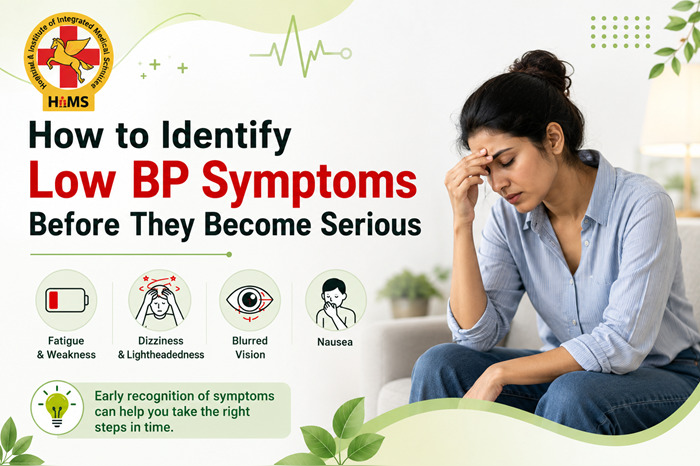
Low blood pressure, also known as hypotension, is a condition where the blood pressure level falls below the normal range. While many people focus on high blood pressure, low blood pressure can also affect your health and daily life if left unnoticed. Recognizing low BP symptoms early can help prevent complications and improve overall well-being.
In many cases, low blood pressure develops gradually, making it easy to ignore the warning signs. Understanding these symptoms can help you take timely action and seek the right care.
What Is Low Blood Pressure?
Blood pressure is the force of blood pushing against the walls of your arteries. A reading below 90/60 mmHg is generally considered low blood pressure. While some people naturally have lower blood pressure without any health issues, others may experience symptoms that affect their daily activities.
When blood pressure drops too low, the body may not receive enough oxygen-rich blood, leading to several noticeable signs.
Common Low BP Symptoms to Watch For
Identifying low BP symptoms early can help you manage the condition before it becomes serious. Here are some of the most common warning signs:
1. Frequent Dizziness
One of the earliest and most common symptoms is dizziness. You may feel lightheaded when standing up quickly from a sitting or lying position. This happens because blood flow to the brain temporarily decreases.
2. Feeling Weak or Tired
Unusual tiredness or weakness throughout the day can be a sign of low blood pressure. Since the body’s organs may not receive enough blood supply, energy levels can drop significantly.
3. Blurred Vision
People with low blood pressure may notice blurry or dim vision. This symptom often appears suddenly and may be accompanied by dizziness.
4. Fainting Episodes
In some cases, low blood pressure can cause a person to faint. This occurs when the brain does not get enough blood flow for a short period. Fainting should never be ignored and may require medical attention.
5. Difficulty Concentrating
Poor blood circulation can affect brain function, making it harder to focus or think clearly. Some people describe it as feeling mentally foggy.
6. Nausea
Feeling sick to your stomach without any obvious reason can sometimes be linked to low blood pressure. Nausea may occur alongside dizziness and weakness.
7. Cold and Clammy Skin
If your skin feels unusually cold, pale, or sweaty, it could be one of the low BP symptoms indicating reduced blood circulation.
Why Do Low BP Symptoms Occur?
Several factors can contribute to low blood pressure. Some common causes include:
- Dehydration
- Skipping meals
- Excessive blood loss
- Certain medications
- Nutritional deficiencies
- Heart-related conditions
- Prolonged bed rest
- Pregnancy
Understanding the underlying cause is important because treatment often depends on what is triggering the low blood pressure.
Who Is More Likely to Experience Low Blood Pressure?
Although anyone can develop low blood pressure, certain groups may be at higher risk:
- Older adults
- Pregnant women
- People with heart conditions
- Individuals taking blood pressure medications
- Those with poor eating habits
- People who frequently experience dehydration
If you belong to any of these groups, it is important to pay attention to possible low BP symptoms.
When Should You Seek Medical Advice?
Occasional dizziness may not always be a cause for concern. However, you should consult a healthcare professional if you experience:
- Frequent fainting
- Persistent weakness
- Repeated episodes of dizziness
- Severe fatigue
- Blurred vision that does not improve
- Difficulty performing daily activities
Early diagnosis can help identify the root cause and prevent further complications.
Simple Ways to Support Healthy Blood Pressure
If you experience mild low blood pressure, certain lifestyle changes may help:
Stay Hydrated
Drinking enough water throughout the day can help maintain proper blood volume and reduce symptoms.
Eat Balanced Meals
Regular meals containing essential nutrients can help support stable blood pressure levels.
Avoid Standing Up Too Quickly
Rising slowly from a chair or bed can reduce sudden drops in blood pressure.
Get Adequate Rest
Proper sleep allows the body to recover and maintain healthy circulation.
Monitor Your Blood Pressure
Regular monitoring can help you identify unusual changes and discuss them with your healthcare provider.
How Low Blood Pressure Can Affect Daily Life
Many people overlook low BP symptoms because they may seem minor at first. However, even mild symptoms can affect daily activities and overall quality of life. Frequent dizziness may make it difficult to walk, drive, or perform routine tasks safely. Constant fatigue can reduce productivity at work and make it harder to stay active throughout the day. Some individuals may also experience difficulty concentrating, which can impact learning and decision-making. By paying attention to early warning signs and taking appropriate steps, you can better manage your health and prevent low BP symptoms from becoming more troublesome over time.
Final Thoughts
Recognizing low BP symptoms at an early stage can make a significant difference in maintaining your health. Signs such as dizziness, weakness, blurred vision, nausea, and fainting should not be ignored. Paying attention to these warning signals allows you to seek timely guidance and make lifestyle adjustments that support better well-being.
Organizations like Jeena Sikho HiiMS emphasize the importance of understanding health conditions early so that individuals can make informed decisions about their wellness. If you frequently experience symptoms of low blood pressure, consider consulting a healthcare professional for proper evaluation and guidance.
FAQs
1. What are the most common low BP symptoms?
The most common low BP symptoms include dizziness, weakness, fatigue, blurred vision, nausea, and feeling lightheaded, especially when standing up quickly.
2. Can low blood pressure cause fainting?
Yes, low blood pressure can reduce blood flow to the brain, which may lead to fainting or sudden loss of consciousness in some cases.
3. What causes low blood pressure?
Low blood pressure can be caused by dehydration, skipping meals, blood loss, certain medications, pregnancy, heart conditions, or nutritional deficiencies.
4. How can I manage low BP symptoms naturally?
Staying hydrated, eating balanced meals, avoiding sudden movements, getting enough rest, and monitoring your blood pressure regularly may help manage mild low BP symptoms.
5. When should I see a doctor for low BP symptoms?
You should consult a doctor if your low BP symptoms are frequent, severe, or interfere with daily activities, especially if you experience repeated dizziness, fainting, chest pain, or difficulty breathing.
Read More : https://www.smilebox.co.za/fatty-liver-treatment-meal-plan/