

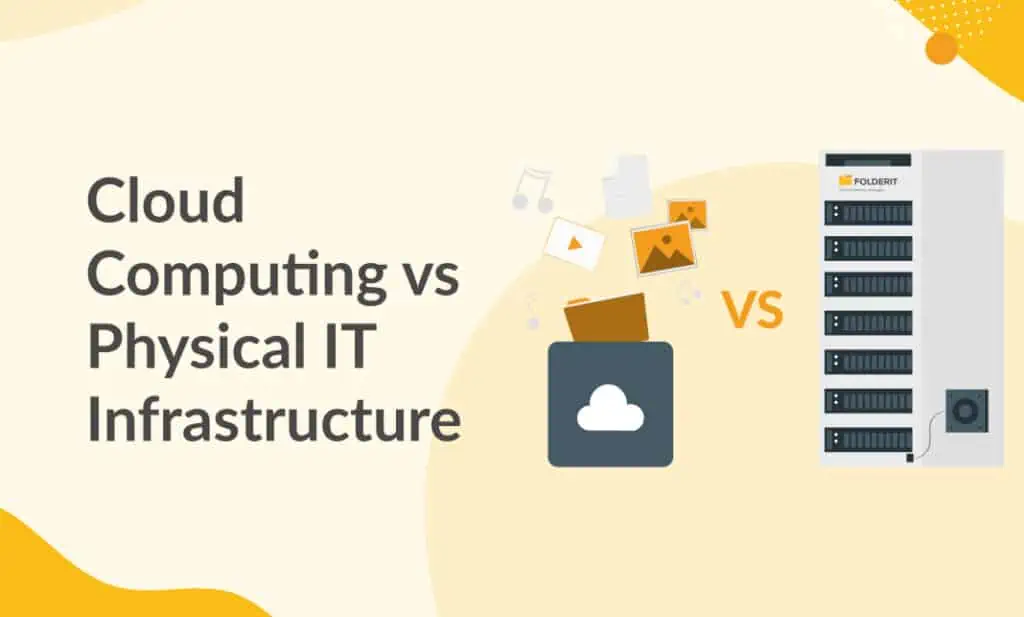
Modern organizations rely on technology infrastructure to support everyday operations, data storage, application administration, and communication technologies. For many years, organizations relied on traditional IT infrastructure, which required maintaining physical servers, storage devices, networking equipment, and software within company premises. This model offered direct control over systems and security, but it also came with limitations such as high setup costs, regular maintenance, hardware dependency, and limited scalability.
As businesses increasingly move toward digital transformation, cloud computing has emerged as a more flexible and scalable alternative. Cloud platforms allow organizations to access servers, storage, databases, and software through the internet without managing physical infrastructure. Learning these evolving technologies through Cloud Computing Courses in Chennai helps professionals understand modern infrastructure models and cloud deployment strategies.
What Is Traditional IT Infrastructure?
Traditional IT infrastructure refers to physical technology resources that organizations install and manage internally or within dedicated data centers. This setup usually includes servers, storage systems, networking hardware, firewalls, backup systems, and licensed software. Organizations are responsible for purchasing hardware, configuring software, managing updates, maintaining security, and handling system failures. This infrastructure approach is especially helpful for companies with specific legacy systems or stringent compliance requirements since it provides total ownership and customization. However, managing on-premises environments requires dedicated IT teams, long-term investments, and continuous maintenance, which can increase operational complexity.
What Is Cloud Computing?
A technological approach known as “cloud computing” substitutes internet-based services for on-premises hardware in the provision of computer resources. Organizations can access virtual servers, storage, databases, development platforms, and software applications on demand from cloud providers. These services are typically categorized as Infrastructure as a Service, Platform as a Service, and Software as a Service. Businesses may increase operational flexibility, decrease reliance on hardware, and expand resources according to needs thanks to cloud computing. It has become a preferred solution for startups, enterprises, and growing businesses because of its efficiency and accessibility.
Cost Comparison Between Cloud and Traditional Infrastructure
One major difference between cloud computing and traditional infrastructure is cost structure. Traditional IT environments require significant upfront investment in servers, networking equipment, software licenses, and physical setup. Businesses also incur recurring costs for hardware maintenance, electricity, cooling systems, upgrades, and IT staffing. These capital expenses can be challenging, especially for small organizations. Cloud computing follows a pay-as-you-go pricing model where businesses only pay for the resources they use. This reduces initial costs and converts capital expenditure into operational expenditure. Many professionals learning infrastructure management through a Best IT Training Institute in Chennai gain practical understanding of cloud cost optimization and resource management.
Scalability and Flexibility
Business requirements can change rapidly depending on growth, customer demand, or seasonal traffic spikes. Traditional infrastructure has limited scalability because expanding resources often involves purchasing additional hardware, configuring systems, and increasing physical space. This process can be slow and expensive.
Cloud computing provides far greater flexibility by allowing enterprises to immediately scale resources up or down based on demand. For example, businesses can increase server capacity during peak traffic periods and reduce it later to optimize costs. This elasticity helps organizations improve efficiency and avoid resource wastage.
Maintenance and Operational Efficiency
Traditional infrastructure requires continuous maintenance from internal IT teams. Organizations must monitor servers, install software updates, manage backups, replace hardware, and troubleshoot failures. This increases operational workload and shifts focus away from business innovation. In cloud computing, most infrastructure maintenance responsibilities are handled by cloud providers. They manage hardware updates, patching, server availability, and infrastructure monitoring. This allows businesses to focus more on product development, customer experience, and strategic growth while reducing administrative overhead.
Security and Reliability
Security is an important consideration when comparing both infrastructure models. Traditional IT environments offer direct control over firewalls, encryption policies, access management, and security configurations. This level of customization is useful for businesses with sensitive data requirements. However, maintaining strong internal security requires expertise and continuous monitoring. Cloud providers invest heavily in advanced security frameworks, encryption technologies, compliance certifications, and access controls. They also provide services such as multi-factor authentication, automated backups, and disaster recovery support. Both traditional and cloud models can be secure when managed properly.
Accessibility and Performance
Traditional infrastructure often performs well for applications requiring dedicated hardware and local network access. However, remote accessibility may require VPNs or complex configurations. Cloud computing offers improved accessibility by enabling employees to access systems, applications, and data from any location with internet connectivity. This is especially useful for remote teams, distributed organizations, and global businesses. Cloud services also integrate well with mobile devices and collaboration tools, supporting modern work environments.
Career Relevance of Cloud Computing
As organizations increasingly adopt digital transformation strategies, cloud expertise has become highly valuable for IT professionals. Understanding cloud architecture, deployment models, security, automation, and cost management creates strong career opportunities. Combining technical knowledge with strategic decision-making is equally important, which is why analytical approaches taught in a B School in Chennai are often relevant for professionals managing digital infrastructure and business technology decisions.
Whether cloud computing is better than traditional IT infrastructure depends on business objectives, budget, compliance requirements, and operational priorities. Traditional infrastructure offers control, ownership, and customization but comes with high upfront costs, maintenance demands, and limited scalability. Cloud computing provides flexibility, cost efficiency, accessibility, and scalable resource management, making it a preferred solution for many modern organizations. Cloud computing continues to spur innovation and efficiency across sectors, making it a crucial component of contemporary IT strategy, even if some firms still rely on hybrid models that combine cloud and on-premises systems.
























Leave a Reply