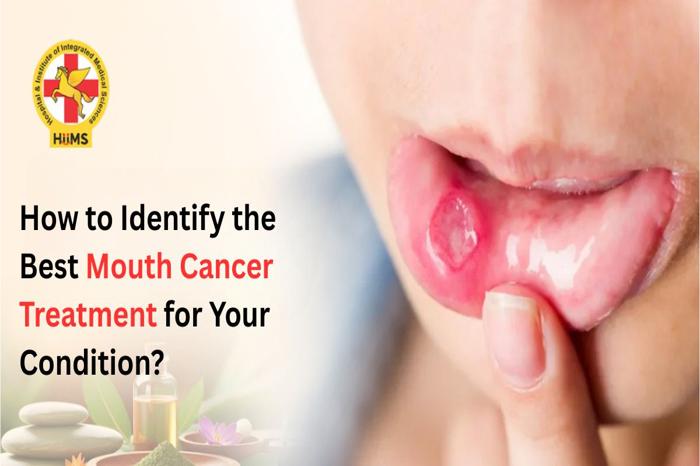
Mouth cancer is a serious health condition that can affect different parts of the oral cavity, including the lips, tongue, gums, inner cheeks, roof of the mouth, and throat area. Early identification and timely management play a significant role in improving overall health outcomes. Since every individual experiences different symptoms and health conditions, finding the most suitable mouth cancer treatment requires careful evaluation of several factors. Understanding your condition, stage of disease, lifestyle habits, and overall health status can help you make informed decisions about your treatment journey.
At Jeena Sikho HiiMS, emphasis is placed on a holistic approach that focuses on supporting the body’s natural healing process while promoting overall wellness.
Understanding Mouth Cancer and Its Symptoms
Before choosing a treatment approach, it is important to understand the nature of mouth cancer and recognize its symptoms. Common signs may include:
- Persistent mouth sores that do not heal
- White or red patches inside the mouth
- Difficulty chewing or swallowing
- Pain in the mouth or throat
- Unexplained bleeding from the mouth
- Swelling in the jaw or neck
- Changes in speech or voice
- Persistent bad breath
If these symptoms continue for an extended period, seeking professional medical evaluation is essential for proper diagnosis and guidance.
Why Early Diagnosis Matters?
One of the most important factors in identifying the best mouth cancer treatment is early diagnosis. Detecting the condition in its initial stages allows for better management and helps prevent the disease from progressing further.
Regular oral health check-ups and prompt attention to unusual symptoms can help identify potential concerns before they become more severe. Early intervention often provides more treatment options and supports better overall health management.
Assess the Stage and Severity of the Condition
Every mouth cancer treatment is unique. The location, size, and extent of the affected area can influence treatment recommendations. Understanding the stage of the condition helps healthcare professionals create a personalized care plan.
Factors that are usually considered include:
- Size of the affected tissue
- Extent of spread within the oral cavity
- Involvement of nearby tissues
- Overall physical health of the individual
A detailed assessment allows healthcare experts to recommend the most appropriate treatment strategy based on individual needs.
Consider Your Overall Health Condition
When selecting a suitable mouth cancer treatment, it is important to evaluate your overall health. Factors such as age, nutritional status, immunity, lifestyle habits, and existing health conditions can influence treatment decisions.
People with strong immunity and healthy lifestyle practices may respond differently compared to individuals dealing with additional health challenges. Therefore, treatment plans should be customized according to the patient’s complete health profile rather than focusing only on the disease itself.
Importance of a Holistic Treatment Approach
Many individuals today seek treatment methods that focus not only on managing the disease but also on improving overall well-being. A holistic approach aims to support physical, mental, and emotional health while encouraging the body’s natural healing mechanisms.
At Jeena Sikho HiiMS, holistic healthcare principles emphasize:
- Healthy dietary practices
- Lifestyle modifications
- Stress management techniques
- Natural wellness support
- Regular monitoring and guidance
Such comprehensive care helps patients maintain better quality of life throughout their healing journey.
Evaluate the Expertise of the Healthcare Facility
Choosing the right healthcare facility is another important step in identifying the best mouth cancer treatment for your condition. Patients should consider factors such as:
Experienced Healthcare Professionals
A qualified and experienced healthcare team can provide accurate assessments and personalized recommendations based on the patient’s condition.
Patient-Centered Care
Treatment should be tailored to the individual’s needs, preferences, and overall health goals.
Comprehensive Support
Facilities that offer nutritional guidance, wellness counselling, and continuous follow-up care often provide a more supportive healing environment.
Focus on Long-Term Wellness
The goal should not only be symptom management but also promoting long-term health and wellness.
Role of Nutrition in Mouth Cancer Treatment
Nutrition plays a vital role in supporting overall health during mouth cancer treatment. Since the oral cavity is directly involved in eating and swallowing, maintaining proper nutrition can sometimes become challenging.
A balanced diet rich in natural foods may help support:
- Energy levels
- Immune function
- Tissue repair
- Digestive health
- Overall well-being
Including fresh fruits, vegetables, whole grains, nuts, seeds, and adequate hydration can contribute to better health outcomes. Nutritional plans should always be customized according to individual requirements and tolerance levels.
Lifestyle Changes That Support Recovery
Healthy lifestyle habits can significantly influence the healing process and overall wellness. Individuals undergoing mouth cancer treatment may benefit from adopting positive lifestyle practices such as:
Avoid Harmful Habits
Avoiding tobacco products and other harmful substances is essential for maintaining oral health and reducing additional stress on the body.
Maintain Oral Hygiene
Good oral hygiene helps prevent infections and supports overall mouth health.
Manage Stress Effectively
Chronic stress can negatively affect overall health. Activities such as meditation, yoga, deep breathing exercises, and relaxation techniques may help improve emotional well-being.
Prioritize Quality Sleep
Adequate sleep allows the body to rest, recover, and maintain optimal immune function.
Personalized Treatment Plans Are Essential
No two individuals experience mouth cancer treatment in exactly the same way. Therefore, a personalized treatment plan is often the most effective approach. Treatment recommendations should be based on:
- Individual symptoms
- Disease progression
- Age and overall health
- Nutritional needs
- Emotional well-being
- Lifestyle factors
A personalized strategy ensures that treatment aligns with the patient’s specific health requirements and recovery goals.
Questions to Ask Before Choosing a Treatment Option
Before making any treatment decision, consider asking the healthcare provider the following questions:
- What is the current stage of my condition?
- What factors are influencing the treatment recommendation?
- How can lifestyle changes support my recovery?
- What dietary modifications should I follow?
- How often will my progress be monitored?
- What supportive care options are available?
Having clear answers to these questions can help patients make informed decisions and feel more confident throughout the treatment process.

Conclusion
Identifying the best mouth cancer treatment for your condition requires a thorough understanding of your health status, disease stage, lifestyle factors, and long-term wellness goals. Early diagnosis, personalized care, proper nutrition, healthy lifestyle habits, and expert guidance all play important roles in creating an effective mouth cancer treatment plan.
Jeena Sikho HiiMS believes in a holistic healthcare approach that focuses on supporting overall well-being while encouraging natural healing and healthier living. By taking a personalized and comprehensive approach, individuals can make informed choices and work toward better health outcomes with confidence.
Read more: Fatty Liver Diet