

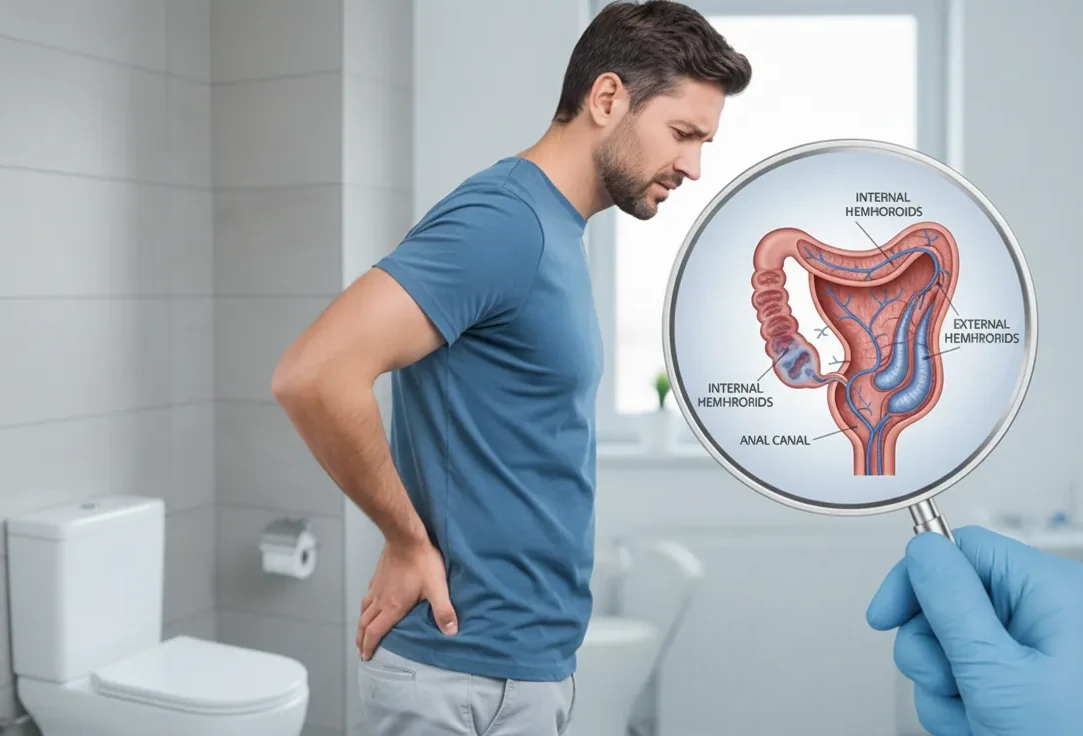
Piles, also known as haemorrhoids, are swollen veins that develop in the lower rectum or around the anus. They are a common condition that can affect people of all ages. While they may cause discomfort, they can often be managed successfully with timely medical care.
Recognising the signs early and seeking appropriate Piles Treatment can help relieve symptoms and prevent the condition from becoming more severe. Understanding the causes, symptoms, diagnosis, and available treatment options can help people make informed decisions about their health.
What Are Piles?
Piles develop when the veins in the lower rectum or anus become swollen due to increased pressure. Depending on their location, they are classified as internal or external. Internal piles develop inside the rectum and are usually painless, while external piles form under the skin around the anus and may cause pain, swelling, or irritation.
The severity of piles can vary from mild cases that improve with simple measures to advanced cases that require medical procedures. Early diagnosis helps determine the most suitable approach for managing the condition.
What Causes Piles?
Several factors can increase pressure on the veins around the rectum and anus. Common causes include:
- Chronic Constipation: Frequent straining during bowel movements puts extra pressure on the rectal veins.
- Persistent Diarrhoea: Repeated irritation and frequent bowel movements can also contribute to piles.
- Low-Fibre Diet: A diet lacking fibre often leads to hard stools, making bowel movements more difficult.
- Pregnancy: Increased pressure on the pelvic veins during pregnancy can increase the likelihood of developing piles.
- Obesity: Excess body weight places additional pressure on the lower rectal veins.
- Prolonged Sitting: Sitting for long periods, especially on the toilet, may increase pressure in the anal region.
- Ageing: The tissues supporting the veins naturally weaken with age, making piles more common.
Understanding these risk factors can help doctors identify the underlying cause and recommend suitable treatment.
What Are the Symptoms of Piles?
The symptoms of piles depend on their type and severity. Some people may experience only mild discomfort, while others may notice more obvious signs, such as:
- Rectal Bleeding: Bright red blood may appear during or after passing stools.
- Pain or Discomfort: External piles can cause pain, particularly while sitting or during bowel movements.
- Itching: Irritation around the anus may lead to persistent itching.
- Swelling: The affected area may become swollen and tender.
- A Lump Near the Anus: External piles may appear as a small lump that can be sensitive to touch.
- Mucus Discharge: Some people may notice mucus after passing stools.
These symptoms can also occur with other digestive conditions, making a proper medical assessment important.
How Are Piles Diagnosed?
Doctors usually diagnose piles by discussing the patient’s symptoms and medical history, followed by a physical examination. Depending on the symptoms, they may perform a digital rectal examination to assess the affected area.
If further evaluation is needed, investigations such as anoscopy or sigmoidoscopy may be recommended to examine the rectum more closely. Accurate diagnosis helps rule out other conditions that may cause similar symptoms and ensures appropriate treatment.
What Are the Treatment Options for Piles?
The choice of treatment depends on the severity of the condition, the symptoms, and the patient’s overall health. Common treatment options include:
- Lifestyle Changes: Increasing fibre intake, drinking enough water, and avoiding excessive straining during bowel movements may help reduce symptoms.
- Doctor-Prescribed Medicines: Doctors may recommend suitable medicines to relieve discomfort, reduce swelling, or improve bowel movements when required.
- Minimally Invasive Procedures: Procedures such as rubber band ligation, sclerotherapy, or infrared coagulation may be considered when symptoms persist despite conservative care.
- Surgery: Larger or more advanced piles may require surgical removal or other specialised procedures if other treatments are not effective.
The most suitable piles treatment depends on individual needs, so it is important to follow medical advice rather than delaying evaluation.
Conclusion
Piles are a common condition that can affect daily comfort, but they are often manageable with early diagnosis and appropriate care. Understanding the causes, recognising the symptoms, and seeking timely medical attention can help prevent unnecessary discomfort.
A proper diagnosis allows doctors to recommend the most suitable treatment based on the severity of the condition. Consulting a qualified healthcare professional is the best way to receive appropriate care and support for lasting symptom relief.






















Leave a Reply