Looking out over the water brings peace, plus paths for kayaking right from your backyard. Still, rising tides chew at the edges, washing soil away bit by bit. Built strong, a seawall stands guard where earth meets waves.
Sturdy bulkheads hold back erosion while shielding land and nearby buildings from wave damage. For homes by the water, docks, or business areas close to shorelines, choosing a Bulkhead contractor who knows coastal work changes how well defenses last over time.
Picture a shoreline where walls rise to meet waves – those are bulkheads, holding ground. Building one means digging deep while machines hum through early light. Some folks add docks nearby, stretching out space for boats to rest. Others go bigger, hiring crews who shape shelters right into the edge. Each choice ties back to keeping land safe, making water access smoother. What happens next depends on soil, slope, time of year. Structures appear piece by piece, not all at once.
Understanding Bulkheads contractor and Their Role?
Standing strong where land meets water, a bulkhead holds back waves that might otherwise wear things down. Instead of letting soil wash away, it keeps the edge steady through seasons of change. Not just blocking flow but shaping how shorelines survive contact with constant motion. Over years this structure quietly does its job – separating wet from dry without drawing attention.
Waves chew at unprotected edges. Soil slips away when water shifts often. Storms speed up erosion over time. Damage creeps in slowly, then shows up where you live. Repairs add up fast once land begins to vanish. Structure matters most along wet borders. An engineered wall holds firm against constant push. It stands between motion and stillness. Function grows when space stays put. Design shapes how well things last.
Bulkhead construction benefits
- Prevents shoreline erosion
- Protects landscaping and structures
- Increases property value
- Improves waterfront usability
- Reduces long-term maintenance costs
Water nearby feels calmer when precautions are taken. Safety grows where attention is placed quietly. A steady presence deters unseen risks. Peace forms through small, consistent choices. Awareness shapes how space behaves
The Job of a Bulkhead Builder
Some coastlines need different approaches. Because water moves differently, plus the ground isn’t always alike, every spot brings its own challenges. When rules change from place to place, and land shapes differ, one fix won’t fit all. A builder who’s worked on many shores sees what matters – strong walls that also protect nature.
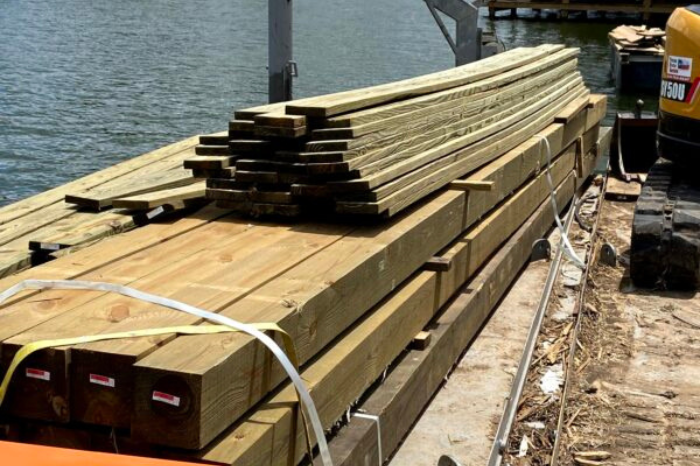
Starting at the water’s edge, pros check how steep the land is before digging into what kind of dirt holds it together. Based on that ground truth, treated timber might show up instead of plastic panels when long life tops the list. Where one spot leans wet, poured rock could enter the picture rather than layered blocks. Material choice shifts with each hillside story uncovered.
Starting with permits, Bulkhead contractors take care of paperwork while thinking through design details at the same time. Building plans get shaped by real-world needs, not just ideas on paper. Mistakes that could slow things down are caught early because experience guides each step. Property owners stay clear of expensive errors since guidance comes built into the process.
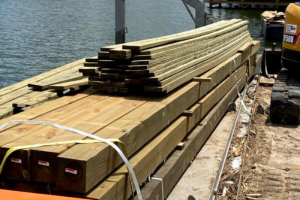
Waterfront Property Showing Signs of Bulkhead Wear
Waterfront property feels fine – until chunks start vanishing into the water. Spotting small changes first means avoiding big messes later.
Common Indicators Include:
- Soil erosion along the shoreline
- Leaning or cracked retaining walls
- Sinkholes or soft ground near the water
- Water pooling behind the bulkhead
- Visible gaps between bulkhead panels
- Structural movement after storms
Fixing problems now might stop big repair bills later. A small fix today could mean less money spent down the road. Catching trouble fast often leads to lighter costs ahead. Early attention tends to lower what you pay in the long run.
Combining Bulkheads With Custom Boat Docks
Some folks with lakefront land add made-to-order docks when they set up barriers against erosion. Together, these features boost how well the space works while also raising its worth.
A single step onto a tailored dock feels right – because it follows the land’s own shape. Not every shoreline bends the same way; these docks bend with them instead of forcing a fit. Where one boat needs deep slip access, another might want shallow entry – the design shifts accordingly. No two waterfronts work alike, so why should their docks? Built around how people actually use the water, not some preset model. Adjustments happen quietly: angle changes, height tweaks, space reshaped without notice. Even wave patterns play a role, influencing where support posts settle into place. The goal isn’t uniformity – it’s harmony between structure and setting.
Built at the same time, bulkheads pair well with docks to shape a cleaner shoreline look while working better too. Together they smooth out how things flow along the water’s edge.
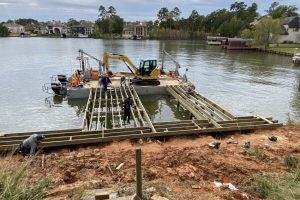
Custom Boat Docks Offer Flexibility In Design And Fit For Unique Shorelines
- Tailored to specific waterfront conditions
- Improved boat accessibility
- Better use of available shoreline space
- Enhanced property aesthetics
- Increased recreational opportunities
- Boat House Builders Increasing Property Worth
Waterfront property owners aiming to boost value might find it helpful to team up with builders who know boat houses well.
A roof over water keeps craft safe when storms roll through, plus shields them from leaves and harsh light. Beauty sneaks in too – its shape might echo the home nearby, fitting like a quiet afterthought.
Some newer boathouses come with shelters for boats, spaces to keep gear, lights built in, also spots meant for relaxing – adding usefulness alongside a clean look. A few offer roofed docks, room for supplies, illumination setups, at the same time zones made for hanging out – mixing function with design. Covered parking for vessels shows up often, along with closets for equipment, electric lighting, besides areas where people gather – helping blend daily needs with appearance. Sheltered boat slots appear regularly, storage corners too, light fixtures installed, yet places fit for leisure – all shaping something usable and tidy to see.
Designing a Full Waterfront Approach
The most successful waterfront projects often combine:
-
- Bulkhead construction
- Boathouse installation
- Shoreline landscaping
- Waterfront access improvements
Starting off right means lining up every piece early. When things come together at the start, results tend to hold up over time. A solid setup by the water begins with clear planning steps taken ahead of schedule. Getting details sorted from day one helps avoid problems later on. Owners who map things out simply find better outcomes down the line.
What Influences How Much Bulkheads Cost to Build
What goes into bulkhead pricing isn’t always obvious. Knowing what shapes those numbers lets homeowners plan ahead without surprises.
Key Cost Factors
Material Selection
Starting off, vinyl tends to cost less but won’t last as long under harsh weather. Concrete shows up strong in toughness though it asks for more cash upfront. Composite enters the scene mixing looks and lifespan fairly well without going overboard on price. Treated timber trails behind with solid strength yet need extra care over time.
Shoreline Length
Coastlines that stretch farther need extra supplies along with additional workers.
Site Accessibility
Properties with limited access may increase transportation and equipment costs.
Water Conditions
When the water gets too deep, things get tricky. Waves crashing in add another layer of difficulty. Shifting ground beneath makes planning harder. Each factor changes how work must unfold.
Permit Requirements
Folks nearby might need paperwork like safety checks, nature reviews, or official okay slips. Sometimes rules say you’ve got to hand in proof a pro looked things over before moving forward.
Spending more upfront on solid building work usually means fewer fixes later, even if prices shift depending on where you are or how big the job is.
Conclusion
Protecting a waterfront property takes more than routine maintenance, honestly. A professionally installed bulkhead acts as a key defence against erosion, shoreline loss, and those long term structural damages that creep in over time. Picking a professional bulkhead contractor matters, because the whole job has to be done to handle local conditions properly and also line up with all required rules and approvals.
And if you pair it with custom boat docks and the know-how from experienced boat house builders, the bulkhead turns into this more complete shoreline plan, not just some standalone thing. It supports property value, improves day to day function, and makes the waterfront far more enjoyable. Putting money into solid shoreline protection today can really help keep your waterfront property safe for years to come.
Frequently Asked Questions
How much does it cost to have a bulkhead installed ?
It really varies, because things like shoreline length, the chosen materials, the overall site condition, and even what permits are required all play a role. For smaller residential setups, people might see costs in the few thousand pounds or dollars range, but for bigger waterfront projects it can turn into a much higher expense, like a truly larger investment.
What happens when there is no bulkhead on a waterfront home, and the yard is left exposed?
In plain terms, without a bulkhead the yard tends to be much more prone to erosion. Over time, waves plus shifting water levels can gradually wash away soil, ruin landscaping, and shrink the actual usable area.
Why are bulkheads so expensive in the first place?
Bulkheads need specialised materials, proper engineering know how, heavy equipment, and skilled Bulkhead contractor. On top of that, permits plus environmental compliance can add up too, so the total price climbs faster than you might expect.
What are some common bulkhead problems, the ones that show up again and again?
Typical headaches include erosion behind the wall, structural movement, cracks, water seepage, rotting or deteriorating materials, and storm damage or other harm linked to changing water conditions.