

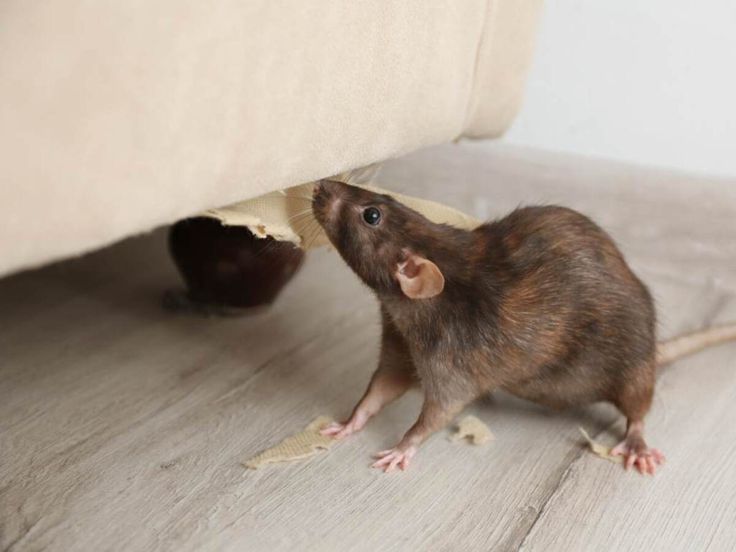
Rodents can spread fast in busy neighborhoods, especially in older buildings with shared walls and small gaps. This guide explains how these infestations start, why they worsen quickly, and what local exterminators do to stop them for good.
Understanding the Real Problem Behind Brooklyn Rodent Issues
Rodents are not just a nuisance in Brooklyn—they’re an ongoing challenge shaped by the city’s architecture, weather, and density. Most pre-war buildings were never designed to keep out small animals. Over time, as structures settle and pipes shift, rodents find easy openings that homeowners don’t notice.
Even newer buildings face trouble because of how close everything is. A mouse doesn’t need much space. A gap the width of a pencil is enough. Once inside, they move through wall voids, ceilings, and utility lines that connect multiple apartments. That’s why a problem rarely stays contained to a single unit or floor.
This is often the moment when homeowners begin searching for rodent exterminators BROOKLYN NY, because they realize the issue is not simply about a few noises at night—it’s about a network of pathways that rodents travel daily.
To understand how quickly the situation escalates, we first need to look at how rodents behave inside Brooklyn properties.
When the Infestation Starts to Spread
Once a rodent enters a Brooklyn home, the situation can intensify in ways most people don’t expect. Rodents don’t just explore your home—they begin treating it as their own. They use the insulation for nesting, chew electrical lines to grind their teeth, and look for dark, quiet places to reproduce.
The problem becomes worse because Brooklyn buildings often share structural features:
1. Shared Walls and Old Pipes
Many buildings in areas like Bed-Stuy, East Flatbush, and Sunset Park have plumbing and heating systems that link multiple units. Rodents follow these lines like highways.
2. Food Sources Everywhere
Even if your home is spotless, crumbs in a neighbor’s kitchen or trash in the alley can attract rodents. Once they’re in the area, they explore every adjacent home.
3. Gaps You Don’t See
Baseboard cavities, radiator holes, loose door sweeps, or cracks behind appliances are common entry points in Brooklyn. These openings are so small that homeowners often don’t believe rodents can fit through them.
4. Rapid Reproduction
Mice reproduce quickly—far faster than homeowners can trap them with store-bought tools. A single pregnant mouse can lead to dozens within a short period.
Rodents also leave behind droppings, greasy smear marks, chewed plastic, and shredded paper. These signs indicate that the infestation is no longer minor. This is usually the point when people begin researching rodent removal BROOKLYN NY, because they realize the problem is past DIY solutions.
Before getting into the professional solutions, a real case study can show how these situations unfold.
Rodent Infestation in a Brooklyn Brownstone
The Home
A family living in a three-story brownstone in Park Slope began hearing scratching behind the dining room wall. At first, they dismissed it as pipes or typical city noise. But after a week, they found a small pile of shredded napkins in a corner cabinet—a clear sign of nesting.
The brownstone had recently undergone minor renovation, and the contractors unknowingly left an opening behind the dishwasher. Because the building is connected to two neighboring structures, the opening became a point of entry for mice traveling through shared walls.
Inspection Results
When technicians inspected the property, they discovered:
- A gap behind the dishwasher leading into a vertical wall chase
- Rodent droppings in the basement near the boiler
- Gnaw marks on food packaging in a lower kitchen cabinet
- A small hole near the radiator where mice had squeezed through
- Tracks in attic insulation indicating high rodent activity
This layout is typical in many Brooklyn brownstones. Walls are tall, narrow, and connected to neighboring homes, making it easy for rodents to migrate.
Professional Solution
To stop the infestation, the technician developed a detailed plan:
- Sealing Entry Points
Metal flashing and steel wool were used to close gaps mice previously used, especially behind appliances and near the radiator. - Interior Baiting and Trapping
Tamper-proof bait stations were placed in hidden areas—not accessible to children or pets. - Basement and Attic Reinforcement
The technician sealed openings near utility lines and patched foundation cracks. - Sanitization
Droppings and nesting material were removed to eliminate odors that attract new rodents. - Follow-Up Visits
Rodents were completely removed within four weeks, and the family noticed immediate improvement. No more noises, no more droppings, and no more chewed food.
This case shows that real solutions require understanding the structure of Brooklyn homes, not just placing a few traps.
Why Professional Rodent Control Works
Rodents are smart, adaptable, and persistent. Handling them takes more than bait or traps. Professionals use a mix of building knowledge, behavior patterns, and specialized tools that homeowners don’t have.
1. They Know Where Rodents Hide
A trained exterminator knows that rodents hide:
- Behind ovens
- Inside wall cavities
- Above drop ceilings
- Under floorboards
- Near boilers and water heaters
- Behind bathroom tile access panels
These are not places DIY sprays or traps can reach.
2. They Understand Brooklyn’s Architecture
Rodents use building designs to their advantage. A technician with Brooklyn experience recognizes:
- How brownstones settle
- How cracked basement walls create gaps
- How steam heating systems create warm travel paths
- How attached homes allow infestation spread
3. They Address the Source, Not Just the Symptoms
Professionals eliminate the entire colony. DIY often kills a few rodents and leaves the rest untouched.
4. They Repair Vulnerable Spots
Home rodent-proofing often overlooks tiny openings. Technicians reinforce:
- Window gaps
- Door sweeps
- Gas line cutouts
- Foundation openings
- Under-sink cabinets
5. They Provide Long-Term Prevention
Stopping rodents isn’t just about getting rid of the ones already inside—it’s about making sure new ones don’t replace them.
Signs You May Have a Growing Rodent Problem
You may need immediate help if you notice:
- Scratching or running noises inside walls
- Droppings under sinks or in pantries
- Chewed wires or damaged insulation
- Musty or ammonia-like odors
- Food packages with bite marks
- Shredded paper, cloth, or cardboard
- Greasy streaks along baseboards
These signs show that rodents are actively nesting or traveling through your home.
How the Two Keywords Interconnect Naturally
Residents often start by looking for rodent removal BROOKLYN NY because they want immediate relief from noise or droppings. But removal alone doesn’t solve the entire issue.
That’s where rodent exterminators BROOKLYN NY come into the picture. Extermination includes:
- Sealing entry points
- Treating hidden nesting areas
- Inspecting entire structures
- Providing long-term prevention
Both keywords tell the same story—removal handles the present, extermination secures the future.
Conclusion
Rodents spread fast, damage properties quietly, and use Brooklyn’s tight, historic structures to move from home to home. If you’re hearing noises at night, finding droppings, or noticing food damage, the issue is likely larger than you expect.
A professional exterminator can:
- Identify hidden problem areas
- Stop rodents humanely and effectively
- Protect your home with long-term prevention
- Seal entry points most homeowners never notice
If you’re dealing with rodent activity in your Brooklyn home, now is the right time to bring in a trained specialist. Reach out today to schedule an inspection and take the first step toward a safer, cleaner, rodent-free home.



















Leave a Reply