

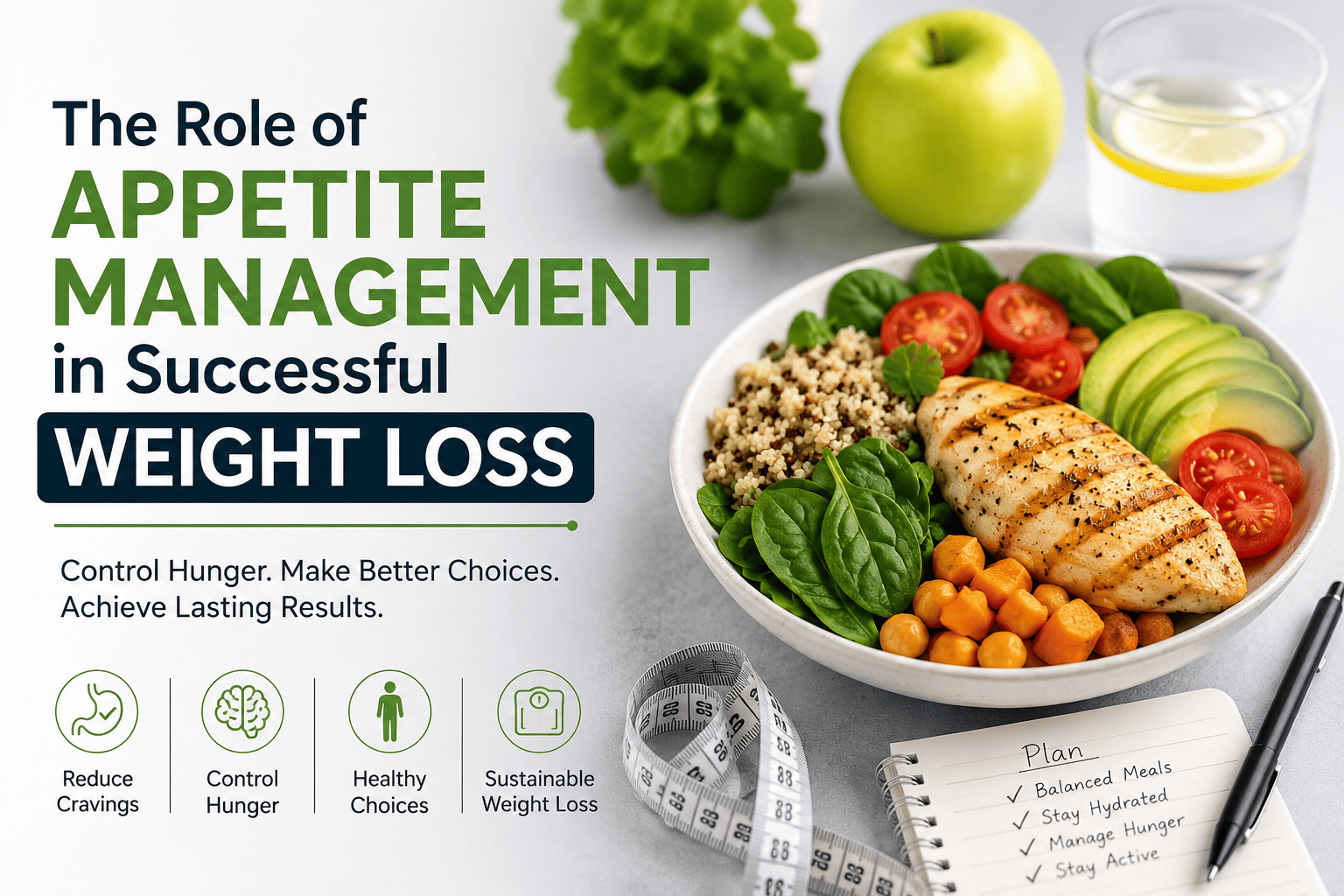
If you’ve ever tried to lose weight, you’ve probably discovered that the hardest part isn’t always saying no to dessert or sticking to an exercise routine—it’s managing hunger. Feeling hungry throughout the day can make even the most committed person struggle to stay on track. That’s why appetite management is one of the most important factors in achieving sustainable weight loss.
For individuals exploring medically supervised weight management options, GLP-1 Therapy has brought greater attention to the role appetite plays in long-term success. While medical treatments may be appropriate for some people, lasting weight loss still depends on developing healthy eating habits and understanding how your body responds to hunger and fullness.
Many people assume weight loss is simply about eating less and moving more. While creating a calorie deficit is essential, it’s much easier to maintain healthy habits when you’re not constantly battling cravings or feeling deprived. Learning how your appetite works and finding practical ways to manage it can help you make lasting lifestyle changes instead of relying on short-term diets.
Understanding the Difference Between Hunger and Appetite
Although people often use the words hunger and appetite interchangeably, they aren’t the same.
Hunger is your body’s natural signal that it needs energy. It develops gradually and is accompanied by physical signs like a growling stomach, low energy, or difficulty concentrating.
Appetite, however, is the desire to eat, even when your body doesn’t necessarily need food. It can be influenced by emotions, stress, habits, social situations, and even the sight or smell of your favorite meal.
Think about walking past a bakery after lunch. You may not be physically hungry, but the aroma of fresh pastries can suddenly make you want something sweet. Recognizing this difference is an important step toward making more mindful food choices.
Why Appetite Management Matters
One of the biggest reasons many weight loss plans fail is that they’re difficult to sustain. Extremely restrictive diets often leave people feeling hungry, frustrated, and exhausted. Eventually, those feelings can lead to overeating, making it difficult to stay on track.
Managing your appetite doesn’t mean ignoring hunger or depriving yourself of foods you enjoy. Instead, it’s about choosing foods and habits that help you feel satisfied for longer. When hunger is under control, it’s easier to maintain portion sizes, reduce unnecessary snacking, and make healthier decisions throughout the day.
Sustainable weight loss is built on consistency—not perfection. Appetite management helps make that consistency possible.
What Influences Your Appetite?
Your appetite is affected by much more than what’s on your plate. Several factors work together to influence when and how much you want to eat.
Sleep
Poor sleep can disrupt the hormones responsible for regulating hunger and fullness. After a restless night, many people notice stronger cravings for sugary or high-calorie foods. Prioritizing seven to nine hours of quality sleep each night can support both appetite regulation and overall health.
Stress
Stress doesn’t just affect your mood—it can also change your eating habits. Some people lose their appetite when they’re stressed, while others find themselves reaching for comfort foods. Developing healthier ways to manage stress, such as walking, exercising, journaling, or practicing relaxation techniques, can reduce emotional eating.
Food Choices
Not all meals keep you satisfied for the same amount of time. Highly processed foods often digest quickly, leaving you hungry again sooner. On the other hand, meals rich in protein, fiber, and healthy fats tend to promote fullness and provide more stable energy throughout the day.
Hydration
It’s surprisingly common to confuse thirst with hunger. Staying well hydrated supports normal body functions and may help reduce unnecessary snacking. Drinking water regularly throughout the day is a simple habit that can make a noticeable difference.
Practical Ways to Manage Your Appetite
Managing your appetite doesn’t require complicated meal plans or strict rules. Small, consistent habits are often the most effective.
Build Balanced Meals
Aim to include lean protein, fiber-rich carbohydrates, healthy fats, and colorful vegetables in most meals. This combination helps slow digestion and keeps you feeling full longer than meals made primarily of refined carbohydrates.
Eat Mindfully
It’s easy to eat more than intended when you’re distracted by television, work, or your phone. Taking time to eat slowly allows your body to recognize fullness before you’ve overeaten. Paying attention to the taste, texture, and satisfaction of your meals can also improve your relationship with food.
Don’t Skip Meals
Skipping meals may seem like a good way to reduce calories, but it often leads to intense hunger later in the day. That can make overeating more likely. Eating regular, balanced meals helps maintain energy levels and supports better appetite control.
Keep Healthy Snacks Available
Having nutritious snacks on hand—such as fruit, Greek yogurt, nuts, or vegetables with hummus—can make healthier choices easier when hunger strikes between meals.
Stay Active
Physical activity offers benefits beyond burning calories. Regular exercise supports overall health, helps preserve muscle during weight loss, improves mood, and may even help regulate appetite over time.
When Professional Support Can Help
For some people, healthy eating and regular exercise may not be enough to achieve meaningful weight loss. Factors such as obesity, hormonal changes, certain medical conditions, or long-term struggles with weight can make the process more challenging.
In these situations, speaking with a qualified healthcare provider can be valuable. They can assess your overall health, identify any underlying issues, and recommend an individualized treatment plan.
For eligible patients, GLP-1 Therapy may be recommended as part of a medically supervised weight management program. Alongside healthy nutrition and regular physical activity, it can help support appetite regulation and improve feelings of fullness, making it easier to maintain healthy eating habits.
Focus on Progress, Not Perfection
Weight loss isn’t a straight line. Everyone experiences days when healthy choices feel easier than others. A single indulgent meal or missed workout doesn’t undo your progress. What matters most is returning to your healthy habits rather than striving for perfection.
Setting realistic goals, celebrating small milestones, and recognizing improvements beyond the number on the scale—such as increased energy, better mobility, or improved confidence—can help keep you motivated over the long term.
People who develop sustainable routines are far more likely to maintain their results than those who rely on short-term diets or extreme restrictions.
For individuals who need additional medical support, GLP-1 Therapy may complement lifestyle changes under the guidance of a healthcare professional. However, lasting success still depends on building healthy habits that support long-term wellness.
Successful weight loss isn’t about constantly fighting hunger—it’s about understanding your body’s signals and creating habits that help you feel satisfied while making nutritious choices. By prioritizing balanced meals, quality sleep, stress management, hydration, regular physical activity, and mindful eating, you can build a healthier relationship with food and improve your chances of long-term success.
Every person’s weight loss journey is different, and there is no one-size-fits-all solution. Working with qualified healthcare professionals and focusing on sustainable lifestyle changes can help you achieve results that are not only effective but also maintainable for years to come.





















Leave a Reply