

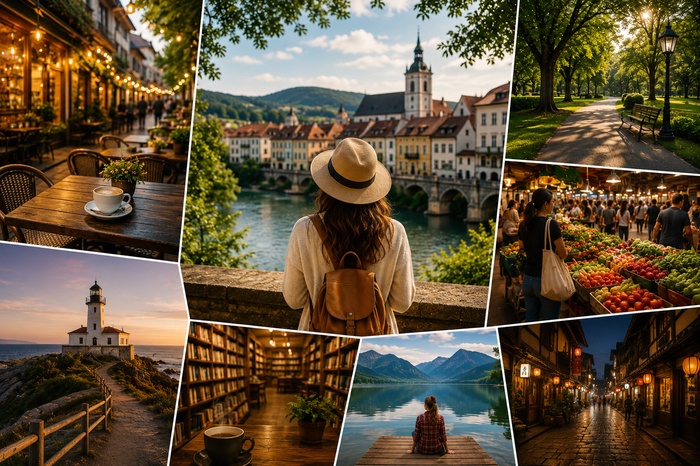
Weekends can feel surprisingly difficult to plan. You may have free time, but no clear idea of what to do with it. A quick search can give you dozens of results, yet many may be too far away, closed, expensive, or unrelated to your interests. A better approach is to start with your location, time, budget, and mood. You can then check maps, local event listings, community groups, and activity apps. These sources can help you compare practical options before leaving home. This guide explains simple ways to find local plans without spending hours searching or making complicated arrangements.
Practical Ways to Find and Plan Local Weekend Activities
There are several easy ways to find a good weekend plan without spending hours searching. These ten methods can help you narrow your choices based on distance, interests, budget, timing, and current local information.
1. Start With a Small Travel Radius
The easiest way to find things to do nearby is to decide how far you are willing to travel. For a short weekend plan, try a radius of:
- 10 to 15 minutes for a quick outing
- 20 to 30 minutes for a half-day plan
- 45 to 60 minutes for a longer local trip
This keeps your search practical. A place may look interesting online, but a long drive can make a simple weekend plan tiring.
Google Maps lets you search for nearby places and activities. Its results consider factors such as relevance, distance, and prominence. You can also search for specific categories around a selected area.
Try searches such as:
- parks near me
- museums near me
- cafés near me
- bowling near me
- art classes near me
- live music near me
You can also search around a particular location. For example, you could search for cafés near a park instead of searching across the whole city.
2. Use Google Maps Explore
Google Maps has an Explore section that can be useful when you do not have a fixed plan.
The Explore tab can show local restaurants, sights, activities, parks, museums, libraries, theatres, shopping centres, and other places. Some recommendations change based on your location and time of day.
This makes it useful for spontaneous weekend planning. You can also check upcoming events in some locations. On supported devices, Google Maps lets you view upcoming events and filter them by interest.
Still, do not rely on a map listing alone. Check the latest opening hours, entry rules, booking requirements, and recent reviews before you go.
3. Search for Events, Not Only Places
A common mistake is searching only for places.
Your city may have plenty of activities that do not appear when you search for tourist attractions. Look for events happening on the specific Saturday or Sunday you have free.
Eventbrite lets users browse events by location and categories such as music, hobbies, food and drink, performing arts, business, and nightlife. Its current site also includes a “This weekend” option.
This can help you find:
- Workshops
- Food events
- Local performances
- Classes
- Markets
- Hobby groups
- Talks
- Community events
Always check the event date and start time. Event pages can change, and some activities require advance registration.
4. Look at Local Community Groups
Community platforms can be useful when you want something social. Meetup allows you to search for groups and events using location, keywords, dates, categories, distance, and other filters. Its current search tools can also filter events by online or in-person format and time of day.
For example, search for:
- photography groups
- running groups
- book clubs
- board games
- cooking
- hiking
- language groups
- craft activities
Meetup says its recommendations can consider location, event timing, popularity, and how closely a topic matches your interests.
You do not need to commit to a group for every weekend. Treat these listings as another source of local ideas.
5. Search by Your Mood
Sometimes the problem is not a lack of options. It is that you do not know what kind of plan you want. Instead of asking, “What should I do this weekend?”, start with your mood.
Try these categories:
Want to relax
- quiet café
- park
- bookstore
- garden
- movie
Want to be active
- cycling
- swimming
- skating
- hiking
- indoor sports
Want to meet people
- workshops
- community events
- hobby groups
- classes
- local meetups
Want something different
- museum
- local exhibition
- heritage site
- food market
- theatre
This method reduces the number of choices. You can then compare only the options that fit your mood.
6. Use Local Idea Apps
A local activity app can help when you want suggestions without building a detailed plan yourself.
What To Do Here-Local Ideas is listed on Apple’s App Store as an entertainment app designed to help users find local spots, food, activities, and other ideas based on what they feel like doing. The listing says users can also see why a suggested place may be worth visiting.
The app’s current listing also shows support for iPhone and iPad, with English and several other languages available.
This type of tool can be useful when you have free time but no specific destination in mind. You can use it as an idea source, then verify important details before making plans.
7. Check Reviews Before You Leave
Finding a place is only the first step. Read recent reviews and look for practical details. Pay attention to comments about:
- Current opening hours
- Parking
- Waiting times
- Cleanliness
- Entry fees
- Crowds
- Accessibility
- Booking requirements
Google Maps provides ratings and descriptions for many local places. However, Google also notes that Maps information can come from partners, users, and the public web.
For paid activities, Tripadvisor can provide another source of information. Its India site currently lists activities by interests such as outdoors, food, culture, and water, along with traveller reviews and booking information. Use reviews as supporting information, not as the only reason to choose a place.
8. Make a Three-Option Weekend List
You do not need a long itinerary. Pick three options:
- Easy plan: something within 15 minutes.
- Main plan: an activity you would enjoy for a few hours.
- Backup plan: an indoor option in case weather or timing changes.
For example, your list could include a nearby café and bookstore, a weekend art workshop, and a cinema as the backup. This gives you flexibility without creating a full schedule.
9. Verify the Details on the Same Day
Local information can change. A place may have different weekend hours. An event may sell out. A workshop may be cancelled. A venue may have temporary restrictions.
Before leaving, check:
- Opening hours
- Event time
- Ticket availability
- Address
- Travel time
- Weather
- Parking or transport
- Any booking requirement
This final check takes only a few minutes and can prevent a wasted trip.
10. Keep a List of Good Local Options
Once you find a few places you like, save them. Create simple categories such as:
- Under 30 minutes
- Free
- Good for couples
- Good with friends
- Rainy-day plans
- Food
- Outdoor
- Evening
You will then have a ready list for future weekends. The goal is not to fill every free hour. It is to make choosing easier when Saturday arrives.
Conclusion
Finding things to do nearby does not have to involve endless searches. Start with your travel radius, search by mood, check local events, use community listings, and verify details before leaving. What To Do Here-Local Ideas can also provide local suggestions when you have free time but no fixed plan. Keep a short list of places and activities that suit your budget and interests. Over time, planning a weekend can become a quick decision instead of a long search. What To Do Here can be one simple source of ideas when you want to decide what to do next.