

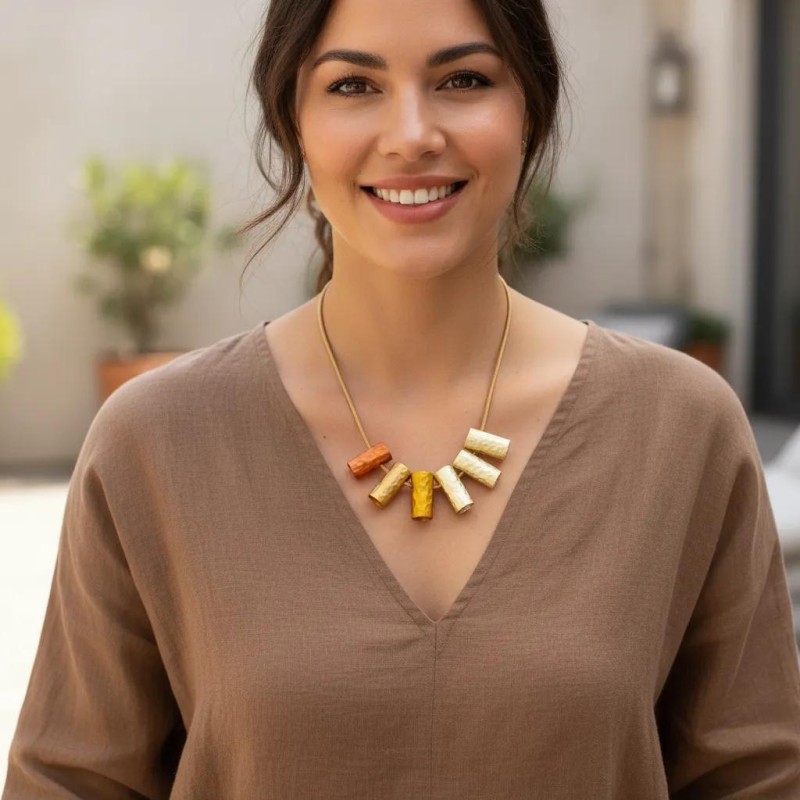
Okay so let’s start here, because I get asked this a lot. Wearable art jewelry isn’t just “fancy jewelry” with a nicer price tag slapped on it. It’s a whole different category, honestly. Regular jewelry gets designed to match an outfit. Wearable art jewelry gets designed like a sculptor made it, then someone said “hey, let’s put a clasp on that.” The intent is different from the jump. You’re not buying a bracelet, you’re buying a piece that happens to sit on your wrist. Some people don’t get this distinction until they’ve held one in their hands, and honestly that’s fair, it’s hard to explain in words. But once you feel the weight of it, the texture, the way light hits an asymmetrical edge — you get it. That’s the whole point of wearable art jewelry. It’s supposed to make you stop and look twice.
Why People Are Suddenly Obsessed With This Stuff
I think a lot of it comes down to fatigue, honestly. People are tired of mass produced stuff that looks the same on everyone. You walk into a mall and every store’s got the same delicate gold chain, same little pendant, same nothing-burger design. Wearable art jewelry breaks that pattern. It’s a reaction, kind of a quiet rebellion against sameness. And there’s an emotional layer too — people want objects that mean something, that carry a story, not just something that “goes with the outfit.” A piece of art jewelry can feel like wearing a tiny museum exhibit. Sounds dramatic, I know, but ask anyone who owns one and they’ll tell you the same thing.
The Role Francine Bramli Paris Plays In All This
Now here’s where I bring up francine bramli paris, because you can’t really talk about this space without mentioning it. Francine Bramli Paris has built a name doing exactly what wearable art jewelry is supposed to do — blur the line between fine art and something you’d actually put on before leaving the house. It’s not costume stuff, and it’s not stiff museum-piece untouchable either. It sits right in that sweet spot. A lot of brands try to do “artistic” jewelry and it ends up looking like a craft fair booth. Francine Bramli Paris doesn’t have that problem. There’s a French sensibility running through the pieces, a kind of restrained boldness if that makes sense. Bold shapes, but never loud for the sake of loud.
Materials Matter More Than People Think
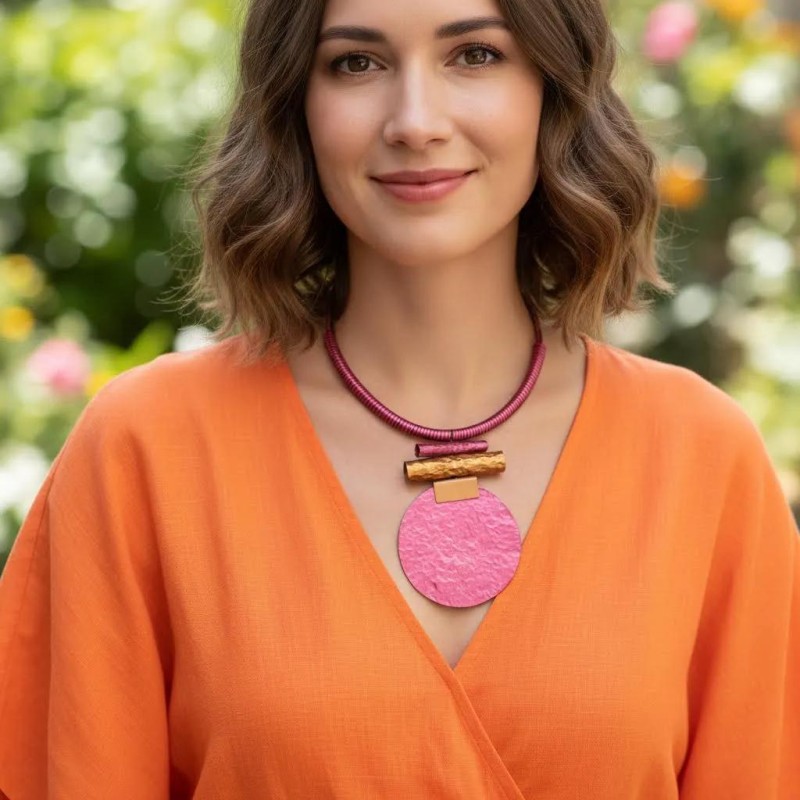
Here’s something people skip over when they’re shopping for this kind of jewelry — materials. Wearable art jewelry isn’t always about gold and diamonds, actually most of the time it’s not. You’ll see resin, brass, hand-painted enamel, sometimes even repurposed materials that most designers would throw away. That’s part of the art. The designer is making a statement with what the piece is made of, not just what it looks like. And honestly this trips people up sometimes because they walk in expecting “luxury jewelry” prices and get confused when a piece made of resin costs more than a gold chain elsewhere. But that’s missing the point completely. You’re paying for the idea, the hand-work, the one-of-one nature of it. Not the raw material cost.
How This Differs From Statement Jewelry (People Mix These Up Constantly)
I want to clear something up because I see this mistake all the time online. Statement jewelry and wearable art jewelry are not the same thing, even though they get lumped together constantly. Statement jewelry is big, loud, meant to be noticed — think giant hoops or a chunky necklace from a fast fashion store. It’s about volume. Wearable art jewelry can absolutely be big and bold too, sure, but the difference is intention and craftsmanship behind it. A statement piece might be mass produced in a factory somewhere. A wearable art piece usually has a name attached to it, a designer’s actual hands involved, a concept behind the shape. One’s decoration. The other’s closer to sculpture you can clip onto your ear.
The French Influence You Can’t Ignore
There’s something specific about French design houses and how they approach jewelry, and francine bramli paris is a good example of that lineage. French design tends to lean into asymmetry, imperfection almost, in a way that feels deliberate rather than sloppy. It’s not trying to be perfectly symmetrical or “safe.” There’s an elegance in the imbalance, if you will. American brands, generally speaking, chase polish and shine. French ones chase feeling. That’s a broad generalization obviously, not every brand fits neatly into a box, but it holds up more often than not when you’re comparing wearable art jewelry across regions.
Who Actually Wears This Kind Of Jewelry
You might think this is a niche thing only art gallery types wear, but that’s not really true anymore. I’ve seen everyone from creative directors to teachers to regular people who just discovered the space wearing wearable art jewelry now. It crosses generations too, weirdly. Gen Z loves the individuality angle, older folks love that it doesn’t look like something their neighbor’s wearing too. The common thread isn’t age or profession, it’s that these people want something that feels personal. Something that says “this is mine” instead of “this came from the same factory as everyone else’s.”
How To Actually Style Wearable Art Jewelry Without Overdoing It
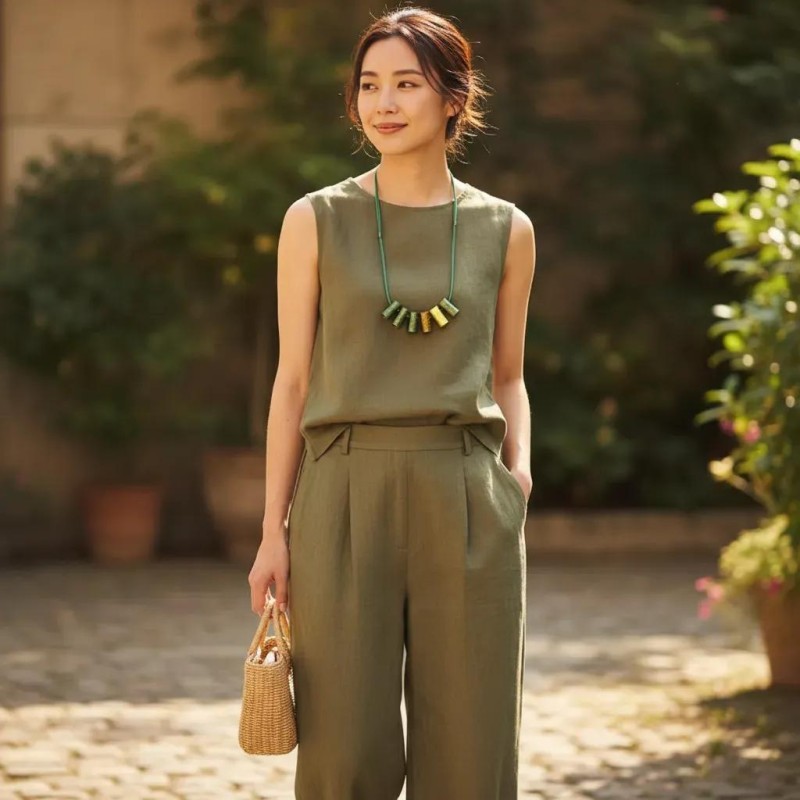
This is where people mess up, ironically. They buy one gorgeous statement piece and then pile five more things on top of it and it turns into visual noise. My honest advice — let the piece breathe. If you’ve got a bold sculptural cuff, don’t also wear a chunky necklace and giant earrings. Pick one hero piece, let everything else be quiet around it. Neutral clothing works really well here actually, because it lets the jewelry do the talking instead of competing with a busy print. Wearable art jewelry is meant to be the focal point, not one voice in a crowded room.
Investing In A Piece — Is It Worth The Money
People always ask if this stuff holds value, and honestly, it depends. Some pieces from well-known designers do appreciate, especially limited runs or discontinued collections. But I wouldn’t buy wearable art jewelry purely as an investment vehicle, that’s the wrong mindset going in. Buy it because you love it, because it means something to you, because you’ll actually wear it. If it appreciates down the road that’s a nice bonus, not the reason to spend the money. A lot of collectors I’ve talked to say the same thing — the return isn’t financial, it’s emotional. You get years of enjoying an object that feels like yours.
Where This Trend Is Headed Next
I think we’re only going to see more crossover between fine art and jewelry design going forward. Designers are already collaborating with painters, sculptors, even architects to build pieces that don’t fit neatly into old categories. Brands like francine bramli paris are proof this isn’t a passing fad, it’s becoming its own established lane in the fashion world. Sustainability is going to push this further too, people wanting fewer, better pieces instead of drawers full of cheap stuff they never wear. Wearable art jewelry fits that mindset perfectly. Less quantity, way more meaning.
Conclusion
So look, at the end of the day wearable art jewelry isn’t about trends or hype cycles, even though right now it’s definitely having a moment. It’s about wanting something that actually feels like it belongs to you, something with a story behind the shape and the material. Brands like Francine Bramli Paris show what happens when craftsmanship meets genuine artistic intent instead of just chasing a look. If you’re new to this space, don’t rush it. Find one piece that actually stops you in your tracks, buy that, wear it a lot, and let it be the thing people remember about you. That’s really the whole idea behind wearable art jewelry in the first place.
FAQs
What is wearable art jewelry exactly?
It’s jewelry designed with an artistic, often sculptural intent first, rather than just decoration. Think of it as small-scale art you can actually put on.
Is Francine Bramli Paris a luxury jewelry brand?
It sits more in the artistic-luxury lane, focused on design and craftsmanship rather than just precious materials.
How do I style wearable art jewelry without it looking too much?
Pick one standout piece and keep the rest of your outfit and accessories simple, let that piece be the focus.
Does wearable art jewelry hold its value over time?
Some designer and limited pieces do appreciate, but it’s better to buy for the love of the piece, not purely as an investment.
What materials are commonly used in wearable art jewelry?
It varies a lot, resin, brass, enamel, and unconventional or repurposed materials are all common, not just gold or precious stones.



















Leave a Reply