

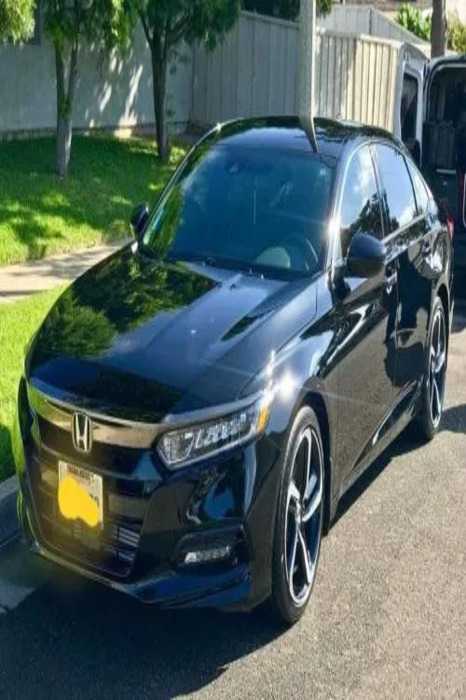
What Paint Correction Really Fixes
Before diving into the signs, it helps to understand what paint correction is meant to address.
Paint correction removes imperfections from the clear coat—the top layer of your vehicle’s paint. These imperfections include:
- Swirl marks from washing
- Light scratches and scuffs
- Oxidation and fading
- Water spots and etching
It’s not a cover-up process. It physically refines the surface so light reflects evenly again.
The Most Obvious Sign: Swirl Marks in Sunlight
One of the easiest ways to tell if your car needs paint correction is to look at it in direct sunlight.
Swirl marks often appear as circular patterns, especially on darker-colored vehicles. Under normal lighting, they might go unnoticed. Step outside, though, and they become much more visible.
I’ve had clients tell me their car looked fine—until we walked it into the sun. That moment usually changes their perspective instantly.
Your Paint Looks Dull or Hazy
Even without visible scratches, your paint can lose its shine over time.
This usually happens due to:
- Oxidation from UV exposure
- Improper washing techniques
- Environmental contamination
A dull finish is a sign that the surface isn’t reflecting light properly anymore. Paint correction restores that smoothness, bringing back depth and clarity.
You Recently Bought a Used Car
This is one situation where paint correction is almost always worth considering.
Used vehicles often come with:
- Hidden swirl marks
- Light scratches from previous owners
- Improper maintenance history
Even if the car looks decent at first glance, a closer inspection usually reveals imperfections. A proper correction can reset the paint and give you a clean starting point.
Water Spots That Won’t Go Away
Water spots are more than just surface stains. If left untreated, they can etch into the clear coat.
When regular washing doesn’t remove them, it’s a sign they’ve bonded to the surface or gone deeper.
In these cases, paint correction is often needed to safely remove the etching and restore the finish.
A Common Mistake I See Often
One thing I’ve noticed over the years is that many car owners wait too long before addressing paint issues.
They assume minor defects will stay minor. In reality, those small swirl marks and light scratches tend to accumulate. Over time, what could have been handled with a light correction turns into something that requires a more aggressive approach.
It’s always easier—and safer—to correct paint earlier rather than later.
After Frequent Automatic Car Wash Use
Automatic car washes, especially those with brushes, are a major source of paint damage.
If you’ve been using them regularly and start noticing:
- Fine scratches
- Reduced gloss
- Uneven reflections
…it’s a strong indication your paint needs attention.
Switching to safer washing methods afterward is just as important as correcting the damage.
Before Applying Ceramic Coating
Paint correction is often recommended before applying any long-term protection.
Why? Because coatings lock in whatever is underneath them.
As explained in this guide on ceramic coating fort worth, proper surface preparation ensures that the coating bonds effectively and performs as expected over time.
Skipping correction means sealing in imperfections that could have been removed.
Your Car No Longer “Feels” Smooth
Here’s something people don’t always think about—the way the paint feels.
Run your hand gently across the surface after washing. If it feels rough or uneven, that’s usually due to contamination or surface defects.
While some of this can be resolved with decontamination, persistent roughness often points to the need for correction.
Insider Tips from Experience
Tip 1: Check Your Paint Under Different Lighting
Don’t rely on just one lighting condition. Look at your car:
- In direct sunlight
- Under streetlights at night
- Inside a garage with focused lighting
Different types of defects show up differently depending on the light. This gives you a more accurate picture of your paint’s condition.
Tip 2: Pay Attention to High-Contact Areas
Certain parts of your car tend to show wear faster:
- Door handles
- Trunk edges
- Hood and front bumper
These areas are exposed to more contact and debris. If you’re deciding whether you need correction, start by inspecting these spots closely.
When Paint Correction Might Not Be Necessary
It’s also important to recognize when paint correction isn’t needed.
If your car:
- Has minimal defects
- Still reflects light clearly
- Is relatively new and well-maintained
…then a simple polish or protective treatment might be enough.
Not every vehicle requires a full correction. Sometimes, less is more—especially when it comes to preserving your clear coat.
Real-Life Example
I once worked with a vehicle owner who thought their car needed a full multi-stage correction. From a distance, the paint looked dull and slightly uneven.
After a closer inspection, most of the issue turned out to be surface contamination and light haze. A single-stage polish made a significant improvement without the need for aggressive correction.
This is a good reminder that proper evaluation matters. What looks like a major problem isn’t always one.
How Often Should You Consider Paint Correction?
Paint correction isn’t something you should do frequently.
Since it involves removing a small amount of clear coat, it’s best done only when necessary. For most vehicles:
- Every few years is typical
- More often if the car is exposed to harsh conditions
- Less often with proper maintenance
The goal is to preserve your paint while keeping it looking its best.
Maintaining Your Paint After Correction
Once your paint has been corrected, keeping it in good condition becomes much easier—but it still requires care.
A few simple habits go a long way:
- Use proper washing techniques
- Avoid automatic car washes with brushes
- Dry with clean microfiber towels
- Apply protective coatings or sealants
One thing I always emphasize is that correction is just the beginning. Maintenance determines how long the results last.
Final Thoughts
Knowing when your car needs paint correction comes down to observation and timing. Swirl marks, dullness, stubborn water spots, and rough surfaces are all clear indicators that your paint could benefit from attention.
At the same time, it’s important not to overcorrect. Every vehicle is different, and the best approach is always based on its current condition.
Take a closer look at your paint under the right lighting. Pay attention to how it looks—and how it feels. Those small details often tell you everything you need to know.






Leave a Reply