

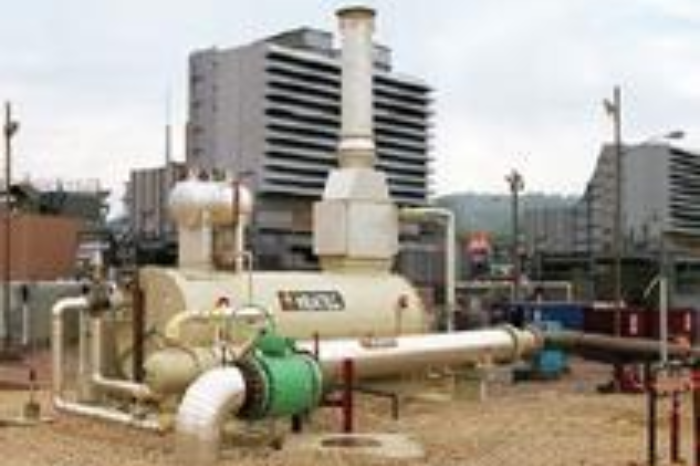
Heat exchangers are the unsung heroes in a massive variety of industrial and commercial setups. From food processing plants and HVAC systems to massive power generation facilities, their main job is simple but critical: moving heat from point A to point B to keep operations running without a hitch.
While off-the-shelf models get the job done for basic applications, they aren’t a silver bullet. Every facility has its own quirks and operational demands, which is exactly why custom-built heat exchangers are often the smarter play.
Engineers can create a heat exchanger that precisely fits your system’s unique reality rather than trying to fit a square peg into a round hole by modifying your system to fit a standard unit. A customized strategy improves overall performance and reduces energy waste, whether you’re working with chemical processing, maritime environments, or renewable energy.
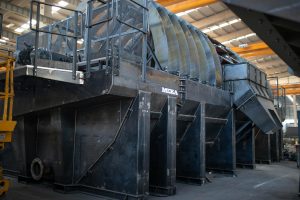
custom heat exchanger
Where Standard Units Fall Short
Sure, standard models are cheaper upfront and easy to source. They are built to cover a broad range of average use cases. But they often fall short when you throw extreme or highly specific conditions at them.
If your facility has tight spatial constraints, handles highly corrosive fluids, or operates under intense pressure and temperatures, a generic model is going to struggle. Standard units also might not meet the incredibly strict safety and compliance regulations required in certain specialized industries. When an off-the-shelf model can’t take the heat (pun intended), a custom solution is usually the only way to get the results you actually need.
The Real Payoff of Going Custom Heat Exchanger
Opting for a custom build brings several major advantages to the table:
Maximum Thermal Efficiency
You get a unit designed specifically for your exact fluid dynamics. Engineers factor in your specific flow rates, fluid properties, and temperature specs to ensure the heat transfer is as efficient as physically possible.
Solving the Space Problem
Upgrading an older facility? A custom unit can be engineered to slide right into your existing footprint. This is a massive relief when you need to expand capacity but absolutely cannot change the layout of your plant.
Built to Survive
You get to pick the exact materials that will actually survive your operating environment. Depending on the corrosion risks and heat stress involved, you can specify anything from standard carbon steel to titanium, copper alloys, or high-grade nickel alloys.
Serious Energy Savings
Better heat transfer means less wasted energy and fewer pressure drops across the system. While the initial price tag of a custom unit is higher, the long-term savings on utility bills usually make up for the upfront cost.
Less Expensive Downtime
Due to a custom unit being built for your exact day-to-day reality rather than a hypothetical “average” scenario, it simply breaks down less often. That translates to fewer maintenance headaches and a much longer lifespan for the equipment.
Who Actually Needs Them?
A wide variety of sectors rely heavily on these specialized units. Most of the chemical industry uses them to handle harsh, highly reactive substances. Food and beverage manufacturers need them due to strict hygiene and precise temperature controls are non-negotiable. People will also find them everywhere in oil and gas operations, power plants, and cutting-edge renewable energy systems where standard equipment just won’t survive the environment.
custom heat exchanger
Getting the Design Right
Designing one of these units isn’t a guessing game. Engineers have to look at the whole picture: fluid velocity, corrosion risks, operating temps, pressure limits, and even how easy it will be for your maintenance team to access the unit later on.
Because of this complexity, picking one of the best manufacturing partners is crucial. People can’t just hire anyone. You need a supplier with professional and serious engineering chops, strict quality control, a deep understanding of metallurgy, and a proven track record of testing and certification. A great right manufacturer won’t just build what you ask for; they’ll actively help you find ways to improve the design.
At the end of the day, a custom heat exchanger is about more than just buying a piece of equipment that fits. It’s an investment in your facility’s productivity, efficiency, and long-term reliability.
Frequently Asked Questions
What exactly is a custom heat exchanger?
It’s a heat transfer unit engineered from scratch to meet the precise temperature, pressure, and spatial requirements of your specific operation, rather than a one-size-fits-all product.
Why not just buy a standard one?
Because standard units often force you to compromise. A custom build maximizes your energy efficiency, fits your exact physical layout, and lasts longer because it’s built specifically to handle your unique working conditions.
Who uses them?
Pretty much any heavy or specialized industry. This includes oil and gas, pharmaceuticals, power generation, HVAC, food production, and marine sectors, to name a few.
What goes into the design process?
Engineers look at everything from operating temperatures and pressure limits to fluid characteristics, corrosion resistance, material selection, and how the unit will be maintained over its lifespan.
Location: https://share.google/SIVlz7zm8d1sX74FI






















Leave a Reply