

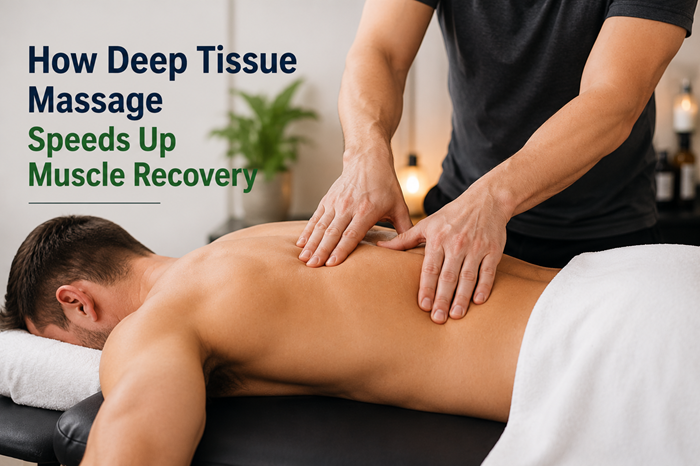
Whether you’re an athlete, a fitness enthusiast, or someone with a physically demanding job, muscle soreness is a common part of an active lifestyle. After intense physical activity, your muscles need time to repair and rebuild. While proper nutrition, hydration, and rest are essential for recovery, massage therapy has become a valuable addition to many recovery routines. Among the different techniques available, deep tissue massage is widely recognised for helping reduce muscle tension and supporting faster recovery.
If you’re searching for deep tissue massage Bendigo, understanding how this treatment works can help you make informed decisions about your health, fitness, and overall well-being.
What Is Deep Tissue Massage?
Deep tissue massage is a therapeutic massage technique that targets the deeper layers of muscles and connective tissues. Using slow, firm strokes and focused pressure, therapists work on areas of chronic tension, muscle knots, and tight fascia to improve mobility and relieve discomfort.
Unlike relaxation massage, which focuses on calming the body, deep tissue massage aims to address persistent muscle tightness, improve movement, and promote recovery after physical activity or repetitive strain.
Why Muscle Recovery Is Important
Exercise creates tiny tears in muscle fibres. This is a normal process that allows muscles to become stronger as they heal. However, without proper recovery, these muscles can remain tight, sore, and fatigued, increasing the risk of injury and reducing overall performance.
A good recovery routine helps the body repair damaged tissues, restore flexibility, and prepare muscles for future activity. Deep tissue massage supports these natural healing processes by improving circulation and reducing muscular tension.
Improves Blood Circulation
One of the primary ways deep tissue massage supports recovery is by increasing blood flow to the muscles. Better circulation delivers oxygen and nutrients needed for tissue repair while helping remove metabolic waste that builds up during exercise. Improved blood flow also helps reduce feelings of fatigue, allowing muscles to recover more efficiently between workouts.
Reduces Muscle Tension
After strenuous exercise, muscles often become tight and stiff. These tight muscles can restrict movement, cause discomfort, and make future workouts more difficult. Deep tissue massage helps release tension by applying sustained pressure to tight muscle fibres. As these muscles relax, flexibility improves, movement becomes easier, and the body experiences less discomfort during recovery.
Breaks Down Muscle Knots
Muscle knots, also known as trigger points, are areas of tight muscle fibres that may develop after repetitive movements, poor posture, or heavy physical activity. These knots can cause localised pain and limit range of motion. Deep tissue massage targets these trigger points directly, helping break down adhesions and restore healthy muscle function. Releasing muscle knots often leads to improved comfort and greater freedom of movement.
Helps Reduce Post-Workout Soreness
Many people experience delayed onset muscle soreness (DOMS) after challenging workouts. This soreness usually appears 24 to 48 hours after exercise and can make everyday activities uncomfortable. Deep tissue massage helps reduce post-workout soreness by encouraging circulation, relaxing tight muscles, and improving tissue mobility. Regular massage sessions may also shorten recovery time between training sessions.
Supports Flexibility and Mobility
Healthy muscles need flexibility to move efficiently. Tight muscles can limit range of motion, affect posture, and increase stress on surrounding joints. Deep tissue massage stretches and softens muscle tissue, helping restore normal movement patterns. Improved flexibility allows you to exercise more effectively while reducing the likelihood of strains and overuse injuries.
Encourages Lymphatic Drainage
The lymphatic system helps remove excess fluid, toxins, and waste products from body tissues. After intense physical activity, temporary swelling and inflammation may occur around stressed muscles. Massage stimulates lymphatic flow, allowing waste products to be cleared more efficiently. This process supports the body’s natural recovery while reducing swelling and stiffness.
Helps Prevent Future Injuries
Recovery is not only about feeling better after exercise—it is also about preventing future problems. Tight muscles and movement restrictions often place extra stress on joints and connective tissues.
Regular deep tissue massage helps identify and address areas of tension before they develop into more serious injuries. By maintaining healthier muscles and improving movement quality, massage supports safer and more consistent physical activity.
Improves Athletic Performance
Well-recovered muscles perform better during exercise. Athletes often include deep tissue massage in their training programs because healthy muscles generate more strength, endurance, and coordination.
By reducing stiffness and improving flexibility, massage allows the body to move more efficiently during sports, gym sessions, or recreational activities. Better recovery also means less downtime between workouts.
Supports Mental Recovery
Physical recovery and mental recovery often go hand in hand. Intense training can place significant stress on both the body and mind. Deep tissue massage promotes relaxation by encouraging the release of endorphins while helping reduce stress hormones. Many people feel calmer, more focused, and mentally refreshed after a treatment, making it easier to stay motivated with their fitness goals.
Who Can Benefit from Deep Tissue Massage?
Deep tissue massage is suitable for many individuals, including:
- Athletes and sports enthusiasts
- Gym members
- Runners and cyclists
- Office workers with muscle tension
- People with physically demanding jobs
- Individuals recovering from repetitive strain
- Anyone experiencing chronic muscle tightness
Whether you’re highly active or simply dealing with everyday muscle discomfort, deep tissue massage can provide meaningful benefits.
Choosing the Right Massage Provider
Selecting a qualified therapist is important for achieving safe and effective results. When looking for a massage place in Australia, choose a clinic with experienced massage therapists who understand muscle anatomy and tailor treatments to your individual needs.
Discuss your health history, activity level, and recovery goals before your session so your therapist can recommend the most appropriate treatment plan.
Conclusion
Deep tissue massage is much more than a treatment for sore muscles. It plays an important role in improving circulation, reducing muscle tension, relieving post-workout soreness, enhancing flexibility, and supporting faster recovery after physical activity. Regular sessions can also help prevent injuries and improve overall physical performance.
If you’re considering deep tissue massage Bendigo, incorporating this therapy into your recovery routine can help you stay active, recover more efficiently, and maintain healthier muscles over the long term. Combined with proper nutrition, hydration, stretching, and adequate rest, deep tissue massage is a valuable tool for achieving your fitness and wellness goals.




















Leave a Reply