

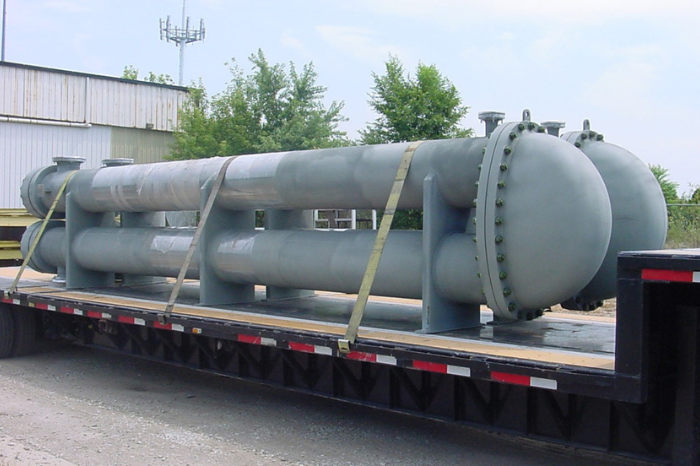
Every industrial process that requires heating or cooling needs to focus on one particular aspect – temperature. Whether it is chemical processing, food production, power generation, or air conditioning – temperature plays a critical role in all of these. That is why heat transfer equipment is so important – it helps various industries to maintain stable temperatures while reducing energy consumption and costs. As more and more companies are striving to make their operations more efficient, understanding what Industrial heat equipment is and how to choose the best option for one’s needs is essential.
What Is Heat Transfer Equipment?
Heat transfer equipment is a mechanical device that allows the transfer of heat from one fluid to another. It is designed in a way that enables the most efficient heat exchange possible without mixing the fluids in the process.
There are various types of heat equipment, including shell and tube heat exchanger, plate heat exchanger, air-cooled heat exchanger, condenser, evaporator, cooling coil, economizer, and many others.
It can be used in a wide range of settings because of its diverse designs and materials.
heat exchange
Why Heat Transfer Equipment Is So Important
Many industrial facilities and processes require stable temperatures to keep operations running smoothly. Heat management can become a serious challenge in many facilities, which is why more and more companies are investing in the right equipment to ensure the most efficient heat exchange possible.
Having the official and long-term heat transfer equipment can provide multiple benefits, including improved energy efficiency, stable temperatures, reduced fuel consumption, enhanced production, reduced wear and tear of machines, and lower operating costs. It can also make a significant difference in terms of ROI and overall productivity of the business.
Heat transfer equipment is an essential part of many industries. Some of the most common examples include:
Manufacturing
Many manufacturing facilities use heat exchangers to ensure stable and efficient production. These machines are used to heat or cool products and improve the performance of other equipment.
Oil and Gas
The oil and gas industry is highly dependent on heat transfer equipment because of the extreme temperatures involved. Proper heat management is essential for achieving the best results while keeping the equipment in good working conditions.
Food and Beverage
The food and beverage production requires the most precise temperature management to ensure the best quality and safety of the final product..
Power Generation
Power plants require the most efficient thermal management to ensure that the equipment is not damaged and that the electricity is produced in a reliable manner.
Key Features of the Best Heat Transfer Equipment
There are many types of heat transfer equipment, and not all of them are made equal. The best options tend to have certain characteristics that make them more efficient and more durable.
Enhanced Thermal Performance
One of the main benefits of the best Industrial heat equipment is that it ensures that the most heat is transferred with the least amount of energy possible.
High-Quality Materials
This equipment operates under extremely high temperatures and also under very high pressures. This is why it is important to select the option that uses the most durable materials, such as stainless steel, titanium, copper, nickel, and many more.
Precision Engineering
Many heat transfer equipment producers use precision engineering to ensure that their products have the best possible performance and do not fail under pressure.
Importance of Maintenance
However, even the most advanced heat equipment will be unable to deliver optimum results unless it is regularly maintained.
It means that it is vital to carry out the process of maintenance and checking regularly to discover any possible problems in time. There are several key things which need to be done during maintenance such as cleaning, examining the equipment for any possible damages or corrosion, measuring the levels of liquid, pressure and so forth.
Maintenance will enable the equipment to work properly for longer.
How to Choose the Best Heat Transfer Equipment for One’s Needs
There are a lot of options on the market, so it is essential to understand what to look for when choosing the best Industrial equipments. Some of the most important factors to consider include:
Operating Conditions
It is critical to choose the equipment that is compatible with the intended use. One has to pay close attention to the temperatures, pressures, and other factors.
Fluids
The properties of the fluid also matter because they will determine the materials and other characteristics.
Space
Some facilities have limited space, which is why it is important to choose the equipment that is the most compact yet powerful.
Maintenance
It is essential to choose the equipment that is easy to maintain because it will prolong its lifespan and ensure that it is operating at the highest level.
Growth Potential
One has to consider future growth and potential changes that may require a more powerful machine.
Choosing the best Industrial equipment is critical for the smooth operations of many businesses. It is important to consult with a professional and consider all of the options before making the final decision.
A Real-World Example
A food production facility was struggling to keep the right temperature in its equipment, which led to a number of issues, including high energy costs and poor quality of the products. After investing in new heat transfer equipment, the business was able to enhance the thermal performance of its operations, reduce energy consumption, and improve the quality of its products. It was also able to reduce the risk of equipment failure because the new machine was easy to maintain.
This example shows that the right heat transfer equipment can benefit the business in ways that go beyond just reducing energy costs. It can also improve the performance of the equipment, which ultimately leads to better productivity.
Conclusion
It is evident that heat transfer equipment is extremely significant in most industries. With such equipment, there are several advantages such as efficient operation of the facility, maintenance of consistent temperatures, preventing machine breakdown, and production of high-quality products. It’s comes in different types and the main thing is to select the one that suits your needs as an organization.
It is highly recommended that you should concentrate on the advantages that will accrue due to improved thermal performance and minimized energy usage. Through the selection of the right heat transfer equipment, you can optimize your operations and production processes.
Frequently Asked Questions
1. What is heat transfer equipment?
It’s designed to facilitate the transfer of heat from one fluid to another. It can be used in various commercial, industrial, and HVAC settings.
2. Which industries would benefit from heat transfer equipment?
There are several industries that could benefit from heat transfer equipment, and some of these industries include manufacturing, chemical processing, oil and gas, food and beverages, pharmaceutical processing, power generation, marine, and HVAC.
3. What are the most popular types of heat transfer equipment?
There are several types of heat transfer equipment, some of which are: shell and tube heat exchanger, plate heat exchanger, condenser, evaporator, air cooled heat exchanger, cooling coil, and economizer.
4. In what ways does heat transfer equipment make a facility more energy efficient?
It’s enables the facility to optimize the amount of heat that can be transferred at the minimum energy wastage. It reduces the amount of fuel used by the facility, thus making it more energy efficient.
Heat Transfer Equipment
























Leave a Reply