Across parking lots, campsites, and city streets, a quiet transformation is happening. Cargo vans and passenger vans that once hauled tools or carpooled families are becoming compact homes, mobile offices, and weekend adventure rigs. Van conversions have moved from a niche hobby into a widespread lifestyle choice, and the trend shows no signs of slowing down.
The idea is simple. Take an empty metal shell, add insulation, power, a bed, and storage, and suddenly you have a space that travels with you. But behind that simple idea sits a surprising amount of planning, engineering, and craft.
Why So Many People Are Converting Vans
The appeal comes down to freedom and flexibility. A well-built van lets people work remotely, explore national parks, or simply escape a busy schedule without booking a hotel.
Rising housing costs across the United States have also pushed some people toward smaller, mobile living. For others, it is purely recreational. Either way, the demand for quality builds has grown fast.
Van conversions vary widely in scope. Some owners want a basic sleeping platform and a cooler. Others want solar panels, running water, a kitchenette, and a heating system that works through a cold winter.
What Actually Goes Into a Build
A good conversion starts with the shell. Popular choices include the Mercedes Sprinter, Ford Transit, and Ram ProMaster because of their height and interior space.
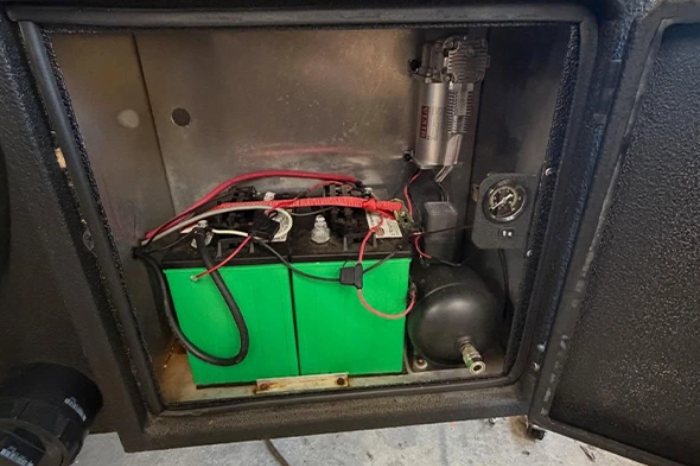
From there, the process moves through insulation, electrical wiring, plumbing, and cabinetry. Weight distribution matters too, since adding hundreds of pounds of gear changes how a van drives and stops.
This is where the mechanical side becomes important. Heavy builds sometimes call for upgraded suspension or careful attention to the vehicle’s structure. In certain cases, frame modifications help a van safely carry the added load or support features like a rear garage or a lifted roof.
Safety Sits at the Center
Comfort features get most of the attention, but safety should always come first. An overloaded or poorly balanced van handles differently and wears out faster.
That is why many owners consult professionals before making major structural changes. Proper frame modifications, when needed, must follow sound engineering practice and meet road safety standards in the United States.
The Practical Benefits
The biggest advantage is cost control over time. Instead of paying for lodging on every trip, owners invest once in a space they can use for years.
There is also a strong resale market. A clean, well-documented conversion often holds its value, especially when the mechanical work was done correctly and records are kept.
Then there is the personal factor. A van built around one person’s needs fits far better than any rental ever could. Every shelf and outlet has a purpose.
Real Situations Where It Pays Off
Consider a remote worker who spends summers chasing cooler weather. A reliable conversion gives them a desk, power, and a bed anywhere they can park legally.
Or think of a family that loves weekend camping but hates packing and unpacking. A ready-to-go van removes most of that friction, turning a two-hour setup into a quick departure.
Small business owners use them too. Photographers, tradespeople, and mobile service providers across the United States often blend work and travel in a single vehicle.
Getting the Mechanical Details Right
The fun parts, like paint and furniture, are easy to picture. The harder parts happen underneath, where suspension, brakes, and structural integrity determine how safe the finished van really is.
Many builders handle interiors themselves but bring in trained shops for the technical work. Facilities such as Hudson Automotive Repair & Service are the kind of places owners visit when structural or mechanical questions come up during a build.
That division of labor tends to produce the best results. Creative freedom stays with the owner, while the safety-critical work stays with people trained to handle it.
A Trend Built to Last
Van conversions reflect a broader shift toward flexible, experience-driven living. As remote work stays common and travel habits change, more people across the United States are likely to see a van as a practical option rather than a fringe idea.
The takeaway is straightforward. Plan carefully, respect the mechanical limits of the vehicle, and get expert help for anything structural. A thoughtful build rewards its owner with years of comfortable, dependable travel.
If you are considering a project this season, start by researching your base vehicle and mapping out your must-have features before you buy a single part.
Frequently Asked Questions
How much does a van conversion cost?
Costs range widely, from a few thousand dollars for a basic setup to well over $50,000 for a fully equipped build. Materials, appliances, and mechanical upgrades drive most of the difference.
How long does a van conversion take?
A simple DIY build can take a few weekends, while a detailed conversion often takes several months. Timelines depend on your skill level, budget, and how many custom features you want.
Are frame modifications legal on a converted van?
Structural changes can be legal when they follow proper engineering standards and safety regulations. It is best to consult a qualified shop, since rules can vary by state and vehicle type.
Do van conversions require frame modifications?
Not always. Light builds often need none, but heavier setups, roof additions, or extra storage may require frame reinforcement to stay safe.
Which van is best for conversions?
The Mercedes Sprinter, Ford Transit, and Ram ProMaster are the most popular choices. Each offers good interior height and a strong parts and service network across the country.
Does a conversion affect the van’s warranty?
It can, especially if changes touch the electrical system or structure. Reviewing your manufacturer warranty terms before starting any major work is a smart move.
Can any van be converted?
Most cargo vans work well, but size, payload capacity, and engine strength matter. Heavier builds need a van rated to handle the extra weight.
Do van conversions need special inspections?
Often, yes. Many states require inspections when a van is heavily altered, especially for structural or electrical changes. Rules differ by location.