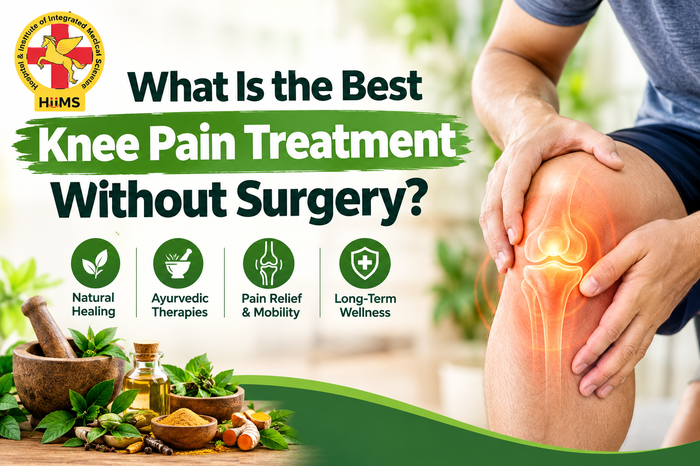
Knee pain can make everyday activities such as walking, climbing stairs, sitting, or standing uncomfortable. It may occur because of age-related changes, excess body weight, muscle weakness, joint stiffness, previous injuries, or an inactive lifestyle. Many people look for ways to manage knee discomfort without surgery and support better joint movement naturally.
A suitable approach depends on the underlying cause, severity, lifestyle, and overall health. Jeena Sikho HiiMS focuses on a holistic approach that combines Ayurvedic principles, diet and lifestyle guidance, physical activity, and supportive therapies to promote overall joint health.
What Causes Knee Pain?
Knee pain can develop due to several factors. Understanding the possible cause can help in choosing an appropriate approach.
Common contributing factors include:
- Age-related wear and tear of the joints
- Weakness in the muscles supporting the knee
- Excess body weight putting additional stress on the joints
- Lack of regular movement or physical activity
- Previous sports or other injuries
- Poor posture or movement patterns
- Joint stiffness and reduced flexibility
- Inflammation around the knee
- Repetitive physical activities that put stress on the joint
Persistent or worsening knee pain should not simply be ignored. Identifying the reason behind the discomfort is important before starting any treatment or exercise programme.
Can Knee Pain Be Managed Without Surgery?
In many situations, knee discomfort can be supported through conservative and holistic measures, particularly when the condition does not require surgical intervention. The focus is generally on improving mobility, supporting the muscles around the joint, maintaining a healthy weight, and adopting suitable lifestyle habits.
Ayurveda takes a broader view of joint health. Rather than focusing only on the painful area, an Ayurvedic approach considers digestion, daily routine, activity levels, diet, and other individual factors. At Jeena Sikho HiiMS, personalised health guidance may include Ayurvedic therapies, dietary recommendations, lifestyle modifications, and other supportive practices depending on the individual’s condition.
Ayurvedic Approach to Knee Pain
According to Ayurveda, joint discomfort and stiffness may be associated with an imbalance of Vata dosha, particularly when dryness, stiffness, reduced flexibility, and pain are present.
Ayurvedic care traditionally focuses on balancing the body’s doshas and supporting healthy movement. The exact approach may vary from person to person.
Some commonly used Ayurvedic approaches for joint wellness include:
- Abhyanga or Ayurvedic oil massage
- Warm oil applications
- Panchakarma-based approaches when considered appropriate
- Gentle movement and stretching
- Diet and routine modifications
- Herbal support under appropriate guidance
The choice of therapy should be based on the individual’s health condition rather than using the same approach for everyone.
Panchakarma and Supportive Therapies
Panchakarma is a traditional Ayurvedic system involving specialised procedures intended to support balance and cleansing according to an individual’s constitution and condition. For people experiencing joint discomfort, certain Ayurvedic therapies may be recommended as part of a broader wellness programme. Therapies such as Kati Basti are traditionally used around the lower back and may be included when appropriate, while other supportive Ayurvedic procedures can be selected according to individual requirements. These therapies should be performed under the guidance of trained Ayurvedic professionals after understanding the person’s health history and current condition.

Gentle Exercise for Better Knee Pain
Regular, appropriate movement can play an important role in maintaining knee pain. Completely avoiding movement for long periods may contribute to stiffness and weakness.
Depending on the person’s condition, gentle activities may include:
- Slow walking
- Gentle stretching
- Leg-strengthening exercises
- Range-of-motion movements
- Yoga-based movements
- Low-impact physical activity
Exercises should be performed comfortably and gradually. If a particular movement causes sharp or increasing pain, it is better to stop and seek professional guidance.
Maintain a Healthy Body Weight
Body weight can influence the amount of mechanical stress placed on the knees during everyday activities. Maintaining a healthy weight may therefore be an important part of a long-term knee-care plan.
A balanced diet containing vegetables, fruits, appropriate protein sources, whole grains, and adequate hydration can support overall health. Reducing excessive intake of highly processed foods, sugary foods, and unnecessary fried foods may also help maintain healthier lifestyle habits.
At Jeena Sikho HiiMS, dietary guidance can be personalised according to an individual’s health needs and lifestyle.
Ayurvedic Diet and Lifestyle for Knee Health
Ayurveda gives importance to Ahara (diet) and Vihara (lifestyle) as part of maintaining balance in the body.
Helpful habits may include:
Eat Fresh and Balanced Meals
Choose fresh, nourishing foods and maintain regular meal timings. A balanced diet can support overall nutrition and healthy body weight.
Stay Physically Active
Avoid sitting in one position for extended periods. Gentle movement throughout the day can help maintain flexibility.
Give Adequate Rest
Rest is important, particularly when the knees are experiencing discomfort after physical activity. However, prolonged inactivity should generally be avoided unless specifically advised.
Maintain a Consistent Routine
Regular sleep, meals, movement, and daily routines can contribute to overall wellness and may support better lifestyle management.
Home Care Tips for Knee Pain
Along with professional guidance, simple lifestyle measures may help support comfortable movement. Some people find gentle warmth useful for temporary stiffness. Comfortable footwear can also help reduce unnecessary strain during walking. Maintaining good posture and avoiding activities that repeatedly aggravate the knee may be beneficial. However, home remedies should not replace professional evaluation when pain is severe, persistent, or associated with significant swelling or injury.
When Should You Seek Professional Guidance?
Not every type of knee pain should be managed independently. Professional evaluation becomes particularly important when pain:
- Continues for a prolonged period
- Becomes progressively worse
- Is associated with significant swelling
- Develops after a serious injury
- Makes walking difficult
- Causes significant restriction of movement
- Is accompanied by fever or other concerning symptoms
Early assessment can help identify the possible reason for knee pain and determine an appropriate course of care.
Why Choose a Holistic Approach at Jeena Sikho HiiMS?
Jeena Sikho HiiMS follows a holistic approach that considers more than just the painful joint. Knee-care guidance may involve understanding lifestyle patterns, dietary habits, physical activity, body weight, and other individual factors. Depending on the person’s needs, the approach may incorporate Ayurvedic therapies, Panchakarma-based procedures, diet planning, lifestyle recommendations, and suitable exercises. The objective is to encourage healthier habits and support joint mobility through a personalised approach rather than relying on a single method.

Conclusion
The best knee pain treatment without surgery depends on the underlying cause and the individual’s overall health. A combination of appropriate movement, healthy body weight, balanced nutrition, lifestyle improvements, and suitable Ayurvedic care may help support knee pain and mobility. An Ayurvedic approach at Jeena Sikho HiiMS focuses on personalised care and may include therapies, diet and lifestyle guidance, and other supportive practices according to individual requirements. If knee pain is persistent or affecting daily activities, getting a proper assessment can help determine the most suitable approach for long-term joint care.