Disco Fever
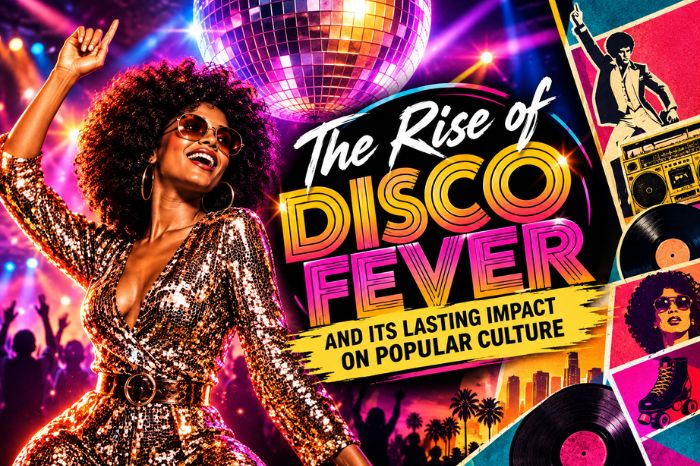
Imagine a space filled with mirrors, colorful lights flashing across the room, shimmering outfits catching every beam, and a bassline that never seems to stop. People are dancing, laughing, and moving together as the rhythm takes over the entire room. This is the world that Disco Fever created in the 1970s, and truth be told, it is not a world that ever completely went away.
What began as a niche cultural movement quickly became a major force in music, fashion, nightlife, entertainment, and social culture. Disco was more than a musical genre. It created an experience. The combination of energetic disco music, expressive fashion, sophisticated lighting, and lively dance floors gave people a place where they could forget their everyday worries and simply enjoy the moment.
Even today, decades after disco reached its peak, its influence can still be seen at weddings, corporate celebrations, private parties, concerts, themed events, and modern entertainment productions. The disco era proved that when music, lighting, visual design, and people come together, an ordinary gathering can become a memorable experience.
Where It All Began
Disco did not appear out of thin air. Its roots can be traced to underground clubs and nightlife communities, particularly in New York City during the late 1960s and early 1970s. DJs began experimenting with different musical styles, blending elements of soul, funk, R&B, and Latin music to create continuous, dance-focused experiences.
Unlike traditional live performances, DJs could control the energy of an entire night by selecting records, extending songs, mixing rhythms, and creating smooth transitions. This helped establish the DJ as an important part of the modern dance experience.
These clubs also played an important social role. They brought together people from different racial, cultural, and social backgrounds. The dance floor became a place where people could express themselves freely and connect through music.
As the sound developed, producers and musicians began creating records specifically designed to keep people dancing. Strong basslines, four-on-the-floor rhythms, orchestral arrangements, percussion, and powerful vocals became important characteristics of the disco sound.
By the middle of the 1970s, disco had moved far beyond underground clubs. Radio stations began playing disco records, record labels invested heavily in the genre, and nightclubs across the country began embracing the trend. Suddenly, Disco Fever was no longer a niche movement. It was everywhere.
The Sound That Defined an Era
So, what made disco music so different from other popular music at the time?
One of the biggest characteristics was its rhythm. The steady four-on-the-floor beat created a predictable groove that made it easy for people to dance. You did not need to be a professional dancer to enjoy disco. The music naturally encouraged movement.
The rhythm section was often supported by funky basslines, percussion, keyboards, guitars, strings, horns, and powerful vocals. Producers paid close attention to the overall sound because disco was designed not simply to be heard but to be experienced physically on a dance floor.
Another important element was the extended version of songs. Longer tracks gave DJs more time to keep dancers moving and transition from one record to another. This approach helped influence the development of DJ culture and later dance-music genres.
The result was music that felt energetic, uplifting, and social.
Fashion Was Part of the Experience
The disco experience was never limited to music. Fashion became one of its most recognizable features.
Think about platform shoes, sequined shirts, bell-bottom trousers, metallic fabrics, colorful dresses, dramatic hairstyles, and eye-catching accessories. Disco encouraged people to stand out rather than blend into the crowd.
Clothing became another way to express personality on the dance floor. Shiny materials reflected the club lights, while bold designs created movement as people danced.
This relationship between fashion and entertainment remains relevant today. A themed retro dance party, for example, can use costumes and styling to immediately transport guests into another era.
Lighting Changed the Party Atmosphere
Lighting was another major part of the disco revolution.
Disco balls, mirror reflections, colorful spotlights, strobes, moving lights, and atmospheric effects transformed ordinary rooms into immersive entertainment spaces. Instead of simply illuminating the room, lighting became part of the performance.
At JFI Productions, these visual elements are an important part of creating an engaging event atmosphere. The right combination of music, lighting, staging, and visual effects can completely change how guests experience an event.
After all, a memorable evening involves more than simply listening to music. People remember what they saw, how they felt, who they interacted with, and how the entire environment made them feel.
Why People Couldn’t Get Enough
There was a deeper reason why disco dance floors stayed packed.
For many people, dancing offered an escape from everyday life. The 1970s were a period of significant economic, cultural, and social change. Stepping into a nightclub offered people a temporary opportunity to forget those pressures.
Inside the club, the focus was on music, movement, fashion, friendship, and celebration.
The dance floor also created a sense of community. People did not necessarily need to know one another to enjoy the same song. When the beat started, everyone could participate.
That universal quality is one reason disco continues to work so well at modern events. You can bring together guests of different ages and backgrounds, play recognizable songs, and quickly create an environment where people feel comfortable joining the celebration.
Movies Took Disco Mainstream
The rise of disco was also strongly connected to popular culture.
Movies and television programs helped introduce disco fashion, dance moves, and music to audiences who might never have visited an underground nightclub. Suddenly, the disco lifestyle was being presented on the big screen.
Dance scenes became iconic. Outfits became trends. Songs reached audiences around the world.
The result was a cultural explosion.
Places that previously had little connection with disco began opening dance clubs. Restaurants and entertainment venues started introducing disco-inspired nights. Even people who had never participated in the original underground scene wanted to experience the energy they had seen in popular culture.
The Backlash and the Decline
Like almost every major cultural trend, disco eventually experienced a backlash.
By the end of the 1970s, some listeners had become tired of the commercial side of the genre. Anti-disco sentiment grew, and the public reaction became increasingly intense.
Radio stations reduced the amount of disco they played, record sales changed, and many clubs closed or changed their musical direction.
However, the decline of disco did not mean that its musical influence disappeared.
The grooves, basslines, production techniques, and dance-oriented structures developed during the disco era continued to influence other genres. Producers borrowed disco elements for pop, electronic music, house music, dance music, and later forms of club culture.
In other words, disco changed rather than simply disappearing.
The Disco Comeback
By the 1990s and 2000s, elements of 70s disco were appearing again in popular music, movie soundtracks, advertisements, fashion, and themed events.
Modern artists and producers began sampling older disco records or recreating their signature sounds. The familiar basslines and dance rhythms suddenly felt fresh again.
Today, younger generations are also discovering disco through modern interpretations. Music that once belonged to their parents’ or grandparents’ generation can now be found in contemporary playlists and dance-focused events.
That is one of the most interesting things about disco: it can feel nostalgic and modern at the same time.
Why Disco Still Matters Today
Why do we still talk about disco after so many decades?
The answer is simple: disco understood the importance of creating an experience.
It was never just about playing songs. Disco combined music, movement, fashion, lighting, visual effects, and social interaction.
That same principle is essential when planning successful modern events.
Today, you can find disco-inspired entertainment at retro dance party events, themed weddings, birthday celebrations, corporate functions, private parties, concerts, brand activations, and other special occasions.
Event planners use disco because it can immediately create an upbeat atmosphere. Familiar songs encourage guests to participate, while colorful lighting and visual effects add excitement to the environment.
It also has broad appeal. Older guests may remember the original disco era, while younger guests can enjoy it as a fun retro experience.
Bringing the Fever Back to Life
There are several reasons why the concept of a disco experience continues to resonate with audiences today:
- The music is recognizable and danceable. Familiar rhythms make it easy for guests to participate.
- The visual experience is memorable. Lighting, mirrors, sparkle, and color can transform an ordinary venue.
- It appeals to multiple generations. Parents, grandparents, young adults, and Gen Z can all enjoy different aspects of disco.
- It works for different events. Disco themes can be adapted for weddings, corporate parties, birthdays, private celebrations, and brand activations.
- It encourages participation. Unlike entertainment that requires guests to sit and watch, disco encourages people to get involved.
- It creates nostalgia. Familiar songs and visual elements can bring back memories and create an emotional connection.
- It offers creative flexibility. Modern technology allows event teams to combine classic disco aesthetics with contemporary lighting, sound, staging, and production.
That combination of nostalgia, energy, music, and visual entertainment is difficult to beat.
Creating a Modern Disco Experience
Bringing disco back does not necessarily mean recreating a nightclub from the 1970s exactly as it was.
Modern event production can take inspiration from the original era while adding contemporary technology and creative design.
For example, an event might combine a traditional disco ball with intelligent moving lights, LED displays, professional sound systems, stage effects, and customized visuals. The music can include classic disco hits alongside modern tracks influenced by the genre.
This approach gives guests the feeling of stepping into a retro world while still enjoying the quality and production standards of a modern event.
For professional event producers, the goal is to make every element work together. Music should complement the lighting. Lighting should support the mood. Visual effects should enhance the venue rather than overwhelm it. And the overall experience should match the purpose of the event.
Disco at Weddings and Corporate Events
Disco is particularly effective for celebrations where organizers want guests to interact and have fun.
At weddings, a disco-inspired reception can turn the dance floor into the central entertainment area. Classic songs can encourage different generations of family members to dance together, creating memorable moments for both guests and the couple.
Corporate events can benefit from disco in a different way. After meetings, presentations, or formal dinners, an energetic dance environment can help employees and guests relax and socialize.
For brands, disco can also become part of a larger creative concept. A company can use retro styling, custom visuals, music, and lighting to create a distinctive activation that guests remember.
Let’s Bring the Disco Ball Out Again
Disco Fever was never just a temporary phase. It changed the way people thought about music, fashion, nightlife, dance, and entertainment.
Its biggest lesson may be that people want to participate in experiences rather than simply observe them. They want music that makes them move, environments that make them feel something, and celebrations that give them memories they can carry with them.
Decades later, the disco ball is still spinning.
The sounds may evolve, technology may become more advanced, and event styles may change, but the fundamental idea remains the same: bring people together, turn up the music, create an exciting atmosphere, and give everyone a reason to dance.
If you want to bring that same electrifying energy to your next celebration, JFI Productions can help transform your idea into a complete entertainment experience. From music and professional lighting to visual production and atmosphere, the right combination of elements can make your event feel truly unforgettable.
Whether you’re planning a wedding, corporate celebration, private party, themed event, or brand experience, it may be time to bring the disco ball out again and let the Disco Fever begin.
Originally Published Here:- The Rise of Disco Fever and Its Lasting Impact on Popular Culture