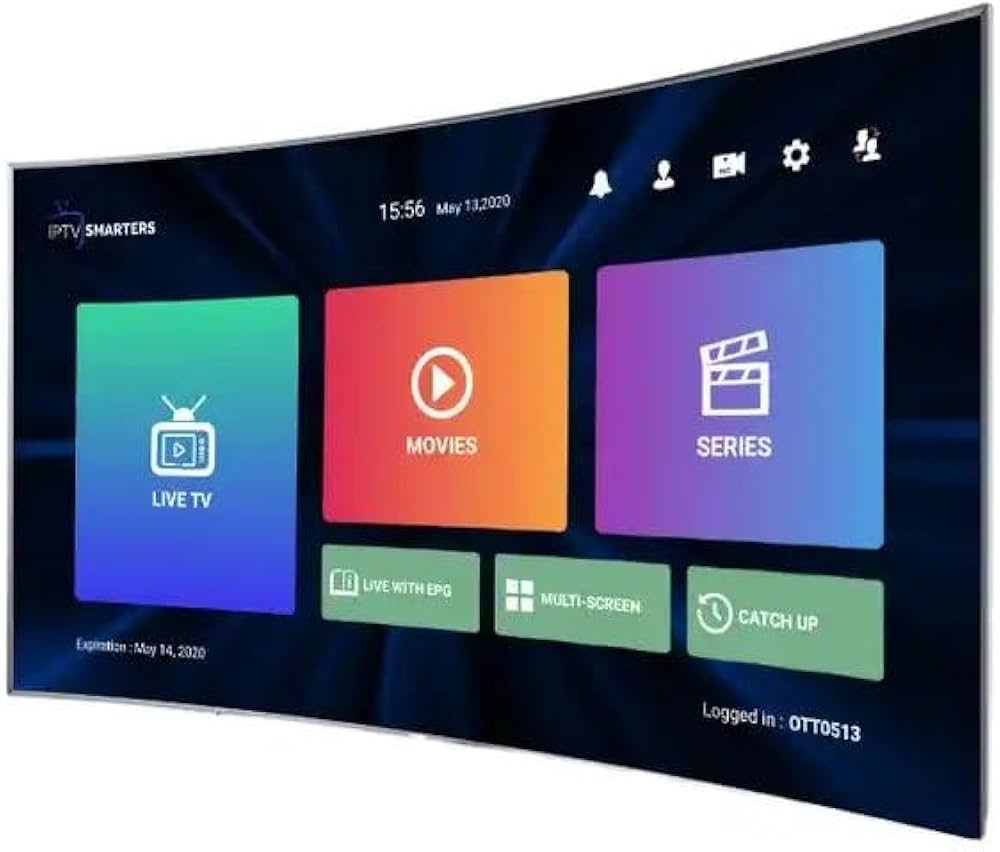
Television has changed dramatically over the last decade. What was once dominated by fixed schedules, traditional broadcasting, and expensive channel packages has evolved into a more flexible digital entertainment experience. Across the United Kingdom, viewers increasingly expect television to fit around their lifestyles rather than the other way around. This shift has helped IPTV UK become an important part of the modern streaming conversation.
Internet Protocol Television, commonly known as IPTV, delivers television and video content through an internet connection rather than relying exclusively on traditional terrestrial, satellite, or cable broadcasting. With the right service, compatible device, and reliable broadband connection, viewers can access live television, on-demand programming, catch-up content, movies, entertainment, and sports through internet-based platforms.
The growing interest in IPTV is not simply about replacing conventional television. It represents a broader change in how people discover, access, and consume digital entertainment.
What Is IPTV and How Does Internet Television Work?
IPTV refers to the delivery of television content through Internet Protocol networks. Instead of receiving programming through a traditional broadcast signal, compatible services transmit video data over an internet connection.
This technology can support several forms of viewing, including:
- Live TV streaming
- Video-on-demand libraries
- Catch-up television
- Time-shifted programming
- Movies and entertainment
- Sports streaming
- News channels
- International television
- Multi-device viewing
The basic concept is straightforward. A viewer connects a compatible smart TV, streaming device, IPTV player, computer, tablet, or smartphone to the internet. The selected content is then delivered digitally to that device.
Modern IPTV platforms can also provide electronic programme guides, channel categories, favourites, search functions, parental controls, and other features designed to make large content libraries easier to navigate.
The Rapid Growth of IPTV UK
The UK television market has become increasingly digital. Viewers now have more choices than ever before, ranging from traditional broadcasters to subscription streaming platforms and internet-based television services.
This environment has created favourable conditions for IPTV UK.
One major attraction is flexibility. Traditional television schedules require viewers to be available when a programme is broadcast. Internet-based television can offer a more adaptable experience, particularly when live programming is combined with on-demand and catch-up features.
For many households, television has also become a multi-device experience. A programme may begin on a television and continue on another compatible device. This expectation of portability has influenced how modern viewers evaluate entertainment services.
Why IPTV UK Subscription Services Are Becoming Popular
An IPTV UK Subscription can appeal to viewers who want a more organised and flexible approach to internet television. Rather than managing multiple sources independently, a subscription service may bring different types of programming together within one platform.
Depending on the provider and package, an IPTV subscription may include access to categories such as:
- UK television channels
- International channels
- News
- Entertainment
- Sports
- Movies
- Kids’ programming
- Documentary content
- On-demand video
However, IPTV subscriptions are not automatically identical. The number of channels, video quality, supported devices, reliability, customer support, programme availability, and pricing can vary considerably.
For this reason, viewers should evaluate a service based on legality, transparency, reliability, compatibility, and content rights, rather than simply choosing the package with the largest advertised channel count.
IPTV UK and the Search for Better Viewing Flexibility
One of the strongest arguments for internet television is flexibility.
Modern households have different schedules. People work different hours, travel frequently, consume entertainment on multiple screens, and increasingly expect services to respond instantly to their preferences.
IPTV technology supports this changing behaviour.
Instead of treating television as a single fixed stream, internet delivery can create a more interactive viewing environment. Users may be able to search for specific programmes, organise favourites, browse categories, and switch between live and on-demand content.
This approach is particularly relevant to viewers who have grown accustomed to the convenience offered by modern streaming platforms.
Live TV Streaming Through Internet Connections
Despite the popularity of on-demand entertainment, live TV remains important.
Sports, breaking news, live events, television premieres, and special broadcasts all benefit from real-time viewing. IPTV can deliver live channels through internet infrastructure, allowing viewers to watch programming as it happens.
For sports fans, this can be particularly attractive because live content remains one of the strongest reasons people continue to watch television at scheduled times.
A good internet-based viewing experience depends heavily on the quality of the underlying service and the viewer’s broadband connection. Network congestion, insufficient bandwidth, server-side problems, or poor service infrastructure can affect playback.
The Importance of Streaming Quality
Video quality has become an increasingly important consideration for modern television users.
High-definition streaming is now widely expected, while 4K and 8K entertainment continue to influence discussions about the future of home viewing. Higher resolutions can provide greater detail, but resolution alone does not guarantee a superior experience.
A smooth stream also depends on:
- Internet speed
- Network stability
- Device capabilities
- Video compression
- Server performance
- Encoding quality
- Display technology
This means that choosing an IPTV service should involve more than looking for the highest advertised resolution.
A reliable HD stream can provide a better experience than an unstable high-resolution stream that constantly pauses or reduces quality.
Smart TVs Are Changing the IPTV Experience
The rise of smart televisions has made internet-based entertainment more accessible.
Modern smart TVs can connect directly to home networks and support a growing range of applications and streaming technologies. External streaming devices can also turn compatible televisions into sophisticated entertainment hubs.
This development has helped remove some of the technical barriers associated with internet television.
Viewers no longer necessarily need a traditional computer-based setup. A television, reliable internet connection, and compatible application or device can be enough to create a modern streaming environment.
IPTV Players and the Modern Streaming Setup
An IPTV player is generally software or a device used to organise and play IPTV streams. The player itself may not provide television channels. Instead, it can provide the interface through which authorised content is accessed.
A good IPTV player can make a noticeable difference to usability. Features such as an electronic programme guide, favourites, categories, search, playback controls, subtitles, and multiple format support can simplify the viewing experience.
Compatibility is equally important. Before selecting an IPTV player, users should check whether it works with their preferred television, streaming box, smartphone, tablet, or computer.
What Makes a Good IPTV UK Service?
Choosing an IPTV service requires careful evaluation. A professional-looking website and a large channel list do not necessarily indicate a dependable service.
Several factors deserve attention.
1. Legal Content Rights
The most important consideration is whether the provider has appropriate rights to distribute the content it offers. Viewers should choose legitimate IPTV services and avoid providers that offer copyrighted programming without proper authorisation.
2. Reliability
A service should provide consistent playback rather than frequent interruptions. Reliability becomes particularly important during popular live events when demand can increase significantly.
3. Device Compatibility
A service should support the devices that viewers actually use. Compatibility with smart TVs, streaming boxes, mobile devices, or computers can make a major difference.
4. Video Quality
Clear picture quality and stable playback are essential. Providers should clearly explain available resolutions and technical requirements.
5. Customer Support
Responsive customer support can be valuable when users experience account, installation, compatibility, or playback problems.
6. Transparent Pricing
Subscription pricing should be straightforward, with clear information about billing periods, renewal conditions, available features, and cancellation policies.
IPTV UK vs Traditional Television
The comparison between IPTV and traditional television is not necessarily about one technology completely replacing another. Instead, the two approaches represent different methods of delivering entertainment.
Traditional broadcasting remains valuable because it can provide dependable access to television without requiring the same type of broadband connection.
IPTV, meanwhile, offers the flexibility associated with internet-based delivery.
| Feature | Traditional TV | IPTV |
|---|---|---|
| Delivery | Broadcast/Satellite/Cable | Internet |
| Live TV | Yes | Yes |
| On-demand potential | Varies | Often available |
| Internet required | Usually no | Yes |
| Multi-device potential | Limited/varies | Often broader |
| Interactive features | Varies | Often extensive |
| Flexibility | Moderate | High |
The ideal option ultimately depends on the viewer’s requirements, infrastructure, budget, and preferred content.
Is IPTV Reliable Enough for Everyday Entertainment?
Reliability is one of the biggest questions surrounding internet television.
The answer depends on both the service provider and the user’s network. IPTV requires data to travel through an internet connection, meaning broadband performance can influence the viewing experience.
A strong home network can help reduce unnecessary playback problems. Wired Ethernet connections can sometimes provide greater consistency than congested wireless networks, particularly for high-resolution streaming.
Users should also make sure their router, television, and streaming device are properly configured and capable of handling the desired video quality.
The Role of 8K in the Future of IPTV
The development of 8K displays and advanced streaming technology has introduced another layer to the IPTV conversation.
8K provides significantly greater resolution than Full HD and 4K, although viewers need compatible displays, sufficient bandwidth, suitable content, and appropriate encoding to take advantage of it.
As network infrastructure and compression technologies continue to improve, higher-resolution internet television may become increasingly practical.
For now, the most important priorities remain stable delivery, useful content, strong compatibility, and reliable playback.
Security and Privacy Matter More Than Ever
Internet-based television also creates important security considerations.
Users should avoid installing applications from suspicious sources or entering account credentials into unfamiliar websites. Strong passwords, updated devices, reputable applications, and secure home networks can help reduce unnecessary risks.
A legitimate IPTV provider should also provide clear information about its service, privacy practices, subscription terms, and customer support.
When a service appears deliberately vague about its business identity or content rights, that should be treated as a warning sign.
The Future of IPTV UK
The future of IPTV UK is closely connected to the broader evolution of internet entertainment.
As broadband infrastructure improves and consumers become increasingly comfortable with streaming, internet-based television is likely to remain an important part of the media landscape.
Several developments could shape the next stage:
- More personalised television interfaces
- Better integration between live and on-demand content
- Improved 4K and 8K streaming
- More sophisticated electronic programme guides
- Smarter search and recommendation systems
- Greater multi-device integration
- Improved compression technologies
- More cloud-based television features
The boundary between traditional television and streaming is also becoming less distinct. Modern viewers increasingly care about what they can watch, how easily they can access it, and how reliably it plays, rather than the technical method used to deliver it.
How to Choose an IPTV UK Subscription
Before committing to an IPTV UK Subscription, it is worth creating a simple checklist.
First, verify that the service legally provides the content it advertises. Next, examine device compatibility and determine whether the service works with the television or streaming hardware already available.
Then consider video quality, programme availability, customer support, pricing, cancellation terms, and overall reliability.
A free or inexpensive service may appear attractive initially, but the real value of an IPTV subscription comes from consistent access to authorised content and a dependable viewing experience.
Final Thoughts on the Growing IPTV UK Story
Internet television is changing the relationship between viewers and their screens. IPTV has helped demonstrate that television does not have to remain tied to traditional broadcasting schedules or a single delivery method.
For UK viewers, the growth of IPTV UK reflects a broader demand for flexibility, digital convenience, multi-device entertainment, and greater control over how television is consumed.
An IPTV UK Subscription can be an attractive option when it comes from a legitimate provider that offers authorised content, dependable streaming, transparent pricing, and suitable device compatibility.
The future of television is unlikely to belong to one technology alone. Instead, it will increasingly combine live broadcasting, on-demand entertainment, smart devices, high-resolution video, and internet connectivity into a single viewing ecosystem.
As these technologies continue to develop, IPTV will remain an important part of the conversation about what modern television can become.