As businesses continue expanding their digital operations, protecting sensitive information has become one of the most important priorities for modern enterprises. Organizations today manage enormous volumes of financial records, healthcare data, supply chain information, legal documents, and customer transactions that require advanced security and long-term integrity. At the same time, cyber threats are becoming more sophisticated, and the rise of quantum computing is creating new concerns about the future of traditional encryption methods.
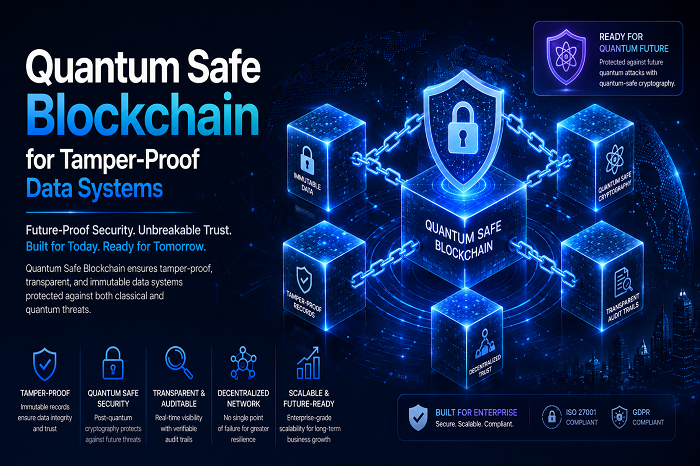
To address these evolving challenges, enterprises are exploring advanced technologies capable of providing future-ready protection. One of the most promising innovations in this area is Quantum Safe Blockchain. By combining blockchain’s immutable architecture with quantum-resistant cryptographic techniques, organizations can create tamper-proof data systems designed to withstand both current and future cybersecurity threats.
Companies like ULedger are helping enterprises prepare for this next generation of digital security by delivering scalable blockchain infrastructures focused on secure verification, transparency, and long-term data protection.
Understanding the Growing Security Challenge
Traditional cybersecurity systems rely heavily on encryption algorithms that are considered secure against current computing capabilities. However, the rapid advancement of quantum computing could eventually make many of these conventional cryptographic methods vulnerable.
Quantum computers have the potential to process complex calculations exponentially faster than classical computers. While this innovation may bring significant benefits to science and technology, it also introduces serious risks for digital security systems.
Potential threats include:
- Breaking traditional encryption algorithms
- Unauthorized access to sensitive enterprise data
- Manipulation of digital records
- Compromised authentication systems
- Increased cybersecurity vulnerabilities
For enterprises handling critical business information, preparing for quantum-era threats is becoming increasingly important.
What Is Quantum Safe Blockchain?
Quantum Safe Blockchain refers to blockchain infrastructures designed with quantum-resistant cryptographic capabilities that can protect digital records from future quantum computing attacks.
Unlike traditional blockchain systems that may rely on vulnerable encryption methods, quantum-safe architectures integrate advanced cryptographic techniques capable of resisting quantum-based attacks.
These systems provide enterprises with:
- Tamper-proof data protection
- Long-term digital security
- Transparent verification
- Immutable audit trails
- Secure enterprise collaboration
- Future-ready cybersecurity infrastructure
ULedger is focused on helping organizations strengthen digital trust by implementing blockchain infrastructures designed to support secure and resilient enterprise operations.
Why Tamper-Proof Data Systems Matter
In today’s digital economy, data integrity is essential for operational reliability, regulatory compliance, and customer trust.
Organizations depend on accurate and verifiable information to support:
- Financial reporting
- Supply chain operations
- Healthcare management
- Identity verification
- Legal documentation
- Enterprise decision-making
Even small modifications to critical records can create major operational and reputational risks.
This is why many organizations are turning to blockchain for data integrity solutions that ensure records remain accurate, transparent, and resistant to unauthorized changes.
How Quantum Safe Blockchain Creates Tamper-Proof Systems
1. Immutable Recordkeeping
Blockchain technology creates permanent transaction histories that cannot be modified without consensus across the network.
Each block of information is cryptographically linked to previous records, creating a secure and traceable chain of data.
This helps organizations:
- Prevent unauthorized modifications
- Maintain trusted audit trails
- Improve accountability
- Strengthen operational transparency
When combined with quantum-resistant security, these immutable systems become even more resilient against future cyber threats.
2. Decentralized Verification
Traditional centralized databases create single points of failure that attackers can target.
Quantum Safe Blockchain distributes verification processes across decentralized networks, making systems significantly more secure and resilient.
Benefits include:
- Reduced cybersecurity risks
- Improved operational reliability
- Enhanced data availability
- Greater trust across enterprise networks
This decentralized approach is especially valuable for businesses requiring high levels of operational integrity and secure collaboration.
3. Advanced Cryptographic Protection
One of the defining features of Quantum Safe Blockchain is the use of quantum-resistant cryptographic algorithms.
These advanced methods help protect enterprise systems from future attacks that could compromise conventional encryption.
Quantum-resistant security strengthens:
- Data confidentiality
- Transaction authenticity
- Identity verification
- Secure communications
ULedger supports advanced blockchain infrastructures designed to help enterprises prepare for future cybersecurity challenges while maintaining trusted digital operations.
The Role of Blockchain for Data Integrity
Many enterprises are adopting blockchain for data integrity because blockchain technology provides transparent and tamper-evident recordkeeping.
Traditional systems often struggle with:
- Data silos
- Limited transparency
- Unauthorized modifications
- Manual verification processes
- Audit inefficiencies
Blockchain-based infrastructures solve these challenges through immutable transaction histories and decentralized verification mechanisms.
By integrating quantum-resistant protections, enterprises can strengthen blockchain data integrity while preparing for the long-term evolution of digital security threats.
Industry Applications of Quantum Safe Blockchain
Financial Services
Financial institutions manage highly sensitive transaction data and customer information that require advanced protection.
Quantum Safe Blockchain helps financial organizations:
- Prevent fraud
- Secure digital transactions
- Maintain transparent audit trails
- Improve compliance reporting
Tamper-proof financial systems improve trust and operational resilience across banking ecosystems.
Healthcare
Healthcare providers manage confidential patient records that require strict privacy and integrity protections.
Quantum-safe blockchain infrastructures support:
- Secure medical record management
- Tamper-proof patient histories
- Transparent access controls
- Improved compliance tracking
These systems strengthen both patient trust and healthcare data security.
Supply Chain Management
Global supply chains involve multiple stakeholders exchanging large volumes of operational data.
Quantum Safe Blockchain improves supply chain operations through:
- Real-time product tracking
- Secure supplier verification
- Transparent transaction histories
- Improved product authenticity validation
Blockchain for data integrity plays a major role in ensuring supply chain records remain accurate and verifiable.
Government and Public Sector
Governments require trusted systems for managing public records, identity systems, and administrative processes.
Quantum-safe blockchain solutions support:
- Secure document verification
- Transparent public operations
- Tamper-proof recordkeeping
- Reduced corruption risks
These infrastructures improve operational accountability and public trust.
Benefits of Quantum Safe Blockchain
Long-Term Security Protection
Quantum-resistant cryptography helps protect enterprise systems from future technological threats.
Improved Data Integrity
Immutable records strengthen blockchain data integrity across digital operations.
Enhanced Transparency
Decentralized verification improves accountability and operational visibility.
Reduced Fraud Risks
Tamper-proof systems help prevent unauthorized modifications and fraudulent activities.
Stronger Compliance
Transparent audit trails simplify regulatory reporting and compliance management.
Increased Enterprise Trust
Secure and verifiable data systems improve trust among stakeholders, customers, and partners.
Why Enterprises Are Investing in Quantum-Safe Infrastructure
Several factors are driving enterprise investment in quantum-safe security technologies.
Rising Cybersecurity Threats
Cyberattacks continue increasing in both frequency and sophistication.
Future-Proofing Digital Infrastructure
Organizations want to prepare for future quantum computing risks before they become widespread.
Compliance Requirements
Regulatory frameworks increasingly emphasize secure and transparent data management.
Growing Dependence on Digital Systems
As enterprises digitize operations, protecting critical information becomes even more essential.
ULedger helps organizations build scalable blockchain ecosystems capable of supporting secure digital transformation initiatives.
Challenges Enterprises Must Address
Although Quantum Safe Blockchain offers significant advantages, organizations should also consider several implementation challenges.
Integration Complexity
Legacy systems may require upgrades before blockchain integration becomes fully effective.
Scalability Demands
Large enterprises require infrastructures capable of processing high transaction volumes efficiently.
Evolving Standards
Quantum-resistant cryptographic standards are still developing across industries.
Technical Expertise
Successful implementation requires blockchain and cybersecurity knowledge.
Despite these challenges, the long-term value of quantum-safe infrastructures continues driving adoption.
The Future of Quantum Safe Blockchain
As quantum computing technology advances, organizations will increasingly prioritize future-ready cybersecurity systems.
Key trends shaping the future include:
- AI-enhanced blockchain analytics
- Cross-chain interoperability
- Automated compliance systems
- Decentralized digital identities
- Advanced cryptographic innovation
Quantum-safe technologies will become essential for enterprises seeking resilient digital ecosystems and trusted operational infrastructures.
How ULedger Supports Future-Ready Security
ULedger is focused on helping organizations implement secure and scalable blockchain infrastructures designed for long-term operational trust.
Its solutions emphasize:
- Quantum-resistant capabilities
- Tamper-proof verification
- Transparent auditing
- Secure enterprise collaboration
- Blockchain data integrity
By supporting future-focused digital ecosystems, ULedger helps enterprises strengthen operational resilience while protecting critical information against evolving cyber threats.
Conclusion
As businesses continue navigating digital transformation, protecting sensitive information and maintaining trusted operations have become critical priorities. Traditional cybersecurity systems may eventually face limitations as quantum computing technologies evolve, making future-ready protection increasingly important.
Quantum Safe Blockchain provides enterprises with a powerful solution for building tamper-proof data systems capable of resisting both current and future cyber threats. Through decentralized verification, immutable audit trails, and quantum-resistant cryptography, organizations can strengthen operational transparency, improve blockchain for data integrity initiatives, and maintain secure digital collaboration.
Companies like ULedger are helping enterprises prepare for the future by delivering scalable and secure blockchain infrastructures designed for long-term digital trust. As cybersecurity challenges continue evolving, organizations that invest in quantum-safe blockchain technologies will be better positioned to build resilient, transparent, and future-ready digital ecosystems.