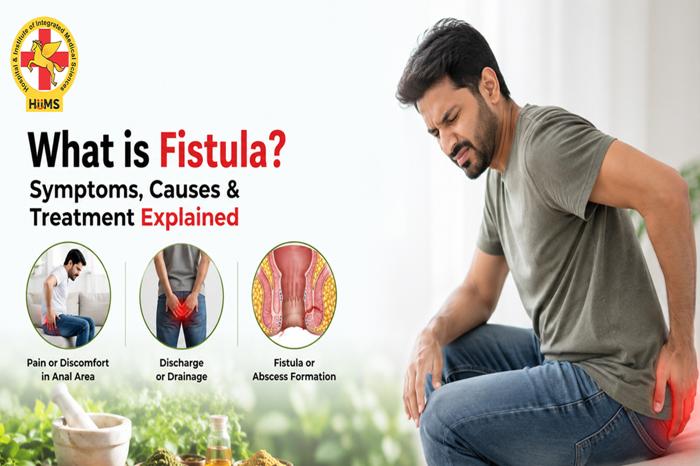
Pain near the anal area, swelling, pus discharge, or discomfort while sitting are symptoms many people quietly ignore for a long time. Because the condition affects a sensitive body area, people often feel hesitant or embarrassed to speak openly about it. Unfortunately, delaying proper care can sometimes allow the infection to spread deeper and make the condition more uncomfortable over time. This is why understanding what is fistula becomes important before it starts affecting everyday life badly.
A fistula is not simply a skin irritation or minor swelling. It is usually an abnormal tunnel that develops between two body parts because of infection, inflammation, or injury. In many cases, the condition begins after an abscess or infection near the anal region. Some people experience temporary relief with medicines or home remedies, but the internal tunnel may continue to remain active underneath the skin.
Today, many individuals also explore supportive Ayurvedic wellness approaches along with proper medical guidance. At Jeena Sikho HIIMS, supportive care often focuses on improving digestion, immunity, internal cleansing, and healthier daily routines. According to wellness teachings frequently shared by Acharya Manish Ji, long term healing support usually requires attention toward overall body balance rather than only temporary symptom relief.
What Is Fistula?
To understand what is fistula, imagine an unwanted tunnel forming between two parts inside the body that normally should remain separate. This tunnel may allow pus, blood, stool, or other fluids to pass through abnormal pathways, creating infection and discomfort.
The most common type is anal fistula, which usually develops near the anus after an infection in the small glands around that region. Sometimes the infection first appears as an abscess filled with pus. Even after the abscess drains or temporarily heals, a tunnel may remain beneath the skin and continue causing repeated symptoms.
Many people assume the problem will go away naturally, especially if pain reduces for a few days. However, fistulas often return repeatedly if the underlying issue is not properly addressed.
Common Causes of Fistula
Several factors may increase the chances of developing a fistula. Some of the most common fistula causes include:
- Infection near the anal area
- Repeated abscess formation
- Chronic inflammation
- Crohn’s disease
- Injury or trauma
- Surgery complications
- Poor immunity
- Long standing digestive imbalance
Sometimes people ignore early infection signs like swelling or drainage because they seem minor initially. However, untreated infections may gradually form deeper tunnels beneath the skin.
Digestive health and bowel habits may also play a role in worsening discomfort. Frequent constipation, unhealthy eating habits, dehydration, and poor hygiene can increase irritation around the affected area.
What Are the Symptoms of Fistula?
Many individuals search online for what is fistula only after the pain becomes difficult to manage. However, the body usually gives several warning signs much earlier. Recognising these symptoms early may help prevent further complications.
Common anal fistula symptoms include:
- Pain while sitting
- Pain during bowel movements
- Swelling near the anus
- Pus or blood discharge
- Skin irritation
- Bad smell near the affected area
- Recurrent boils or abscesses
- Redness or tenderness
Not every person experiences the same symptoms. Some people mainly notice drainage from the area, while others feel constant throbbing pain or repeated swelling.
In severe cases, infection may also cause fatigue, fever, or discomfort during daily activities. Ignoring these symptoms for a long time may sometimes make treatment more complicated later.
Different Types of Fistulas
Many people think fistulas only occur near the anal area, but different types can affect various body parts.
Anal Fistula
This is the most common type and develops around the anus due to infection or abscess formation.
Arteriovenous Fistula
This type creates an abnormal connection between an artery and a vein. Sometimes doctors intentionally create this for dialysis treatment.
Vaginal Fistula
This occurs when a tunnel forms between the vagina and nearby organs like the bladder or rectum.
Tracheoesophageal Fistula
This affects the connection between the food pipe and windpipe and may interfere with swallowing or breathing.
Perilymphatic Fistula
This type affects the ear and balance system and may lead to dizziness or hearing problems.
Among all these forms, anal fistula remains one of the most commonly discussed conditions when people search for fistula treatment options.
How Is Fistula Diagnosed?
Diagnosis usually begins with a detailed discussion about symptoms and physical examination. Doctors may examine the affected area to identify swelling, drainage, or external openings of the tunnel.
Depending on the condition, additional tests may also be recommended, such as:
- MRI scan
- CT scan
- Colonoscopy
- Ultrasound
- Blood tests
These tests help doctors understand the exact depth, location, and severity of the fistula.
Early diagnosis is extremely important because small infections may become deeper and more difficult to manage if ignored repeatedly.
Ayurvedic Perspective on Fistula
In Ayurveda, fistula is often linked with digestive imbalance, toxin accumulation, unhealthy lifestyle patterns, and inflammation within the body. Rather than focusing only on external discomfort, Ayurvedic wellness support aims to improve the body internally as well.
At Jeena Sikho HIIMS, supportive Ayurvedic wellness approaches may include guidance related to:
- Digestive improvement
- Balanced eating habits
- Internal cleansing support
- Panchakarma therapies
- Lifestyle correction
- Routine management
According to Acharya Manish Ji, maintaining balance in digestion and daily routine often plays an important role in supporting overall recovery and long term comfort.
Many people prefer Ayurvedic wellness support because it focuses on the whole body instead of only temporary symptom management.
Panchakarma and Supportive Wellness Care
Panchakarma therapies are traditionally associated with detoxification and internal cleansing. These therapies may help support digestive balance and healthier bowel movements.
At Jeena Sikho HIIMS, people exploring supportive wellness care for fistula discomfort may also receive guidance regarding:
- pH balanced food habits
- Better hydration
- Routine correction
- Stress management
- Natural detox support
Simple lifestyle adjustments may quietly contribute toward smoother recovery and improved comfort over time.
Daily Habits That May Affect Recovery
Small daily habits often influence healing more than people realise. Certain lifestyle patterns may increase irritation and discomfort gradually.
Habits that may worsen discomfort include:
- Eating excessively spicy food
- Low water intake
- Frequent constipation
- Long sitting hours
- Poor sleep routine
- High stress levels
- Lack of movement
Supportive daily practices that may help include:
- Drinking enough water
- Eating lighter meals
- Including fibre rich foods
- Walking regularly
- Maintaining proper hygiene
- Avoiding constipation
- Keeping digestion balanced
Although these habits may appear simple, they often support the body quietly over time.
Why Early Care Matters
One of the biggest mistakes people make is ignoring symptoms repeatedly due to embarrassment or fear. Unfortunately, delaying care may sometimes allow the infection to spread deeper and cause repeated discomfort.
Early diagnosis and timely guidance may help:
- Reduce infection severity
- Prevent repeated abscess formation
- Improve comfort
- Support smoother recovery
- Reduce complications later
The sooner proper care begins, the better the chances of managing discomfort effectively.
Can Fistula Return Again?
Yes, in some cases fistulas may recur, especially if infection or inflammation continues internally. This is why long term wellness support and healthy lifestyle management become important even after treatment.
Maintaining digestive balance, hygiene, hydration, and healthy routines may help support better recovery and overall comfort.
If you’ve been struggling with ongoing discomfort, fatigue, stress, or digestion issues, booking an appointment can help you find a more balanced and natural path to wellness.

Conclusion
Learning what is fistula early may help people seek proper guidance before symptoms become more painful or difficult to manage. Pain, swelling, pus discharge, and repeated abscesses should never be ignored for long periods. Although embarrassment often delays treatment, timely attention is extremely important.
At Jeena Sikho HIIMS, many people now explore supportive Ayurvedic wellness care along with proper medical guidance. Panchakarma therapies, balanced dietary habits, digestion focused wellness support, and lifestyle correction are often included as part of supportive recovery care.
According to wellness teachings shared by Acharya Manish Ji, the body often responds better when healing focuses not only on symptoms but also on internal balance, digestion, immunity, and daily routine together.
If you are experiencing symptoms and are unsure about the next step, consulting experienced professionals may help you better understand your condition and explore suitable care options early.
Also Read about
Support kidney health
FAQs
1. What is fistula in simple words?
A fistula is an abnormal tunnel or connection that develops between two body parts where it should not normally exist.
2. What are common anal fistula symptoms?
Pain, swelling, pus discharge, bleeding, skin irritation, and repeated boils near the anal area are common symptoms.
3. What are the main fistula causes?
Common causes include infections, abscesses, inflammation, Crohn’s disease, injury, poor immunity, or surgery complications.
4. Is surgery the only fistula treatment?
Treatment depends on the severity of the condition. Some people also explore supportive Ayurvedic wellness care alongside medical treatment.
5. Can fistulas return after treatment?
Yes, recurrence may happen in some cases if infection or inflammation continues internally.