

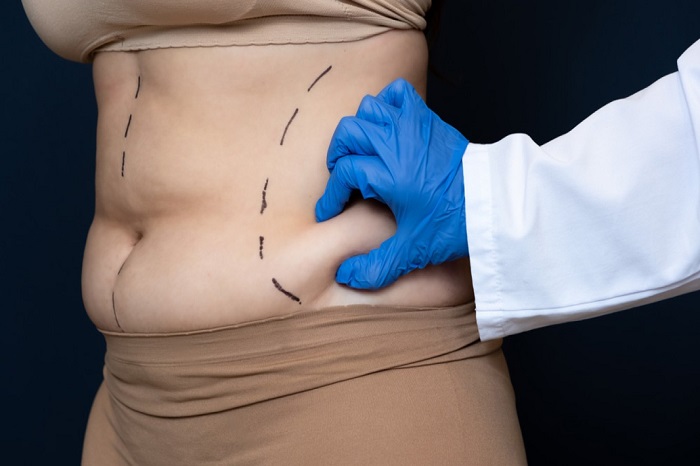
Choosing the right surgeon is one of the most important decisions when considering liposuction in Islamabad. Liposuction is a surgical body-contouring procedure that removes localized fat deposits from selected areas of the body. While the procedure can help improve body proportions and contour, the surgeon’s training, experience, treatment approach, and attention to patient safety all play an important role in the overall experience. The American Society of Plastic Surgeons recommends carefully evaluating a surgeon’s qualifications, surgical training, facility standards, experience, and approach before undergoing liposuction.
Understand Your Liposuction Goals
Before choosing a surgeon, think about what you want to achieve. Liposuction is generally intended for removing stubborn, localized fat rather than serving as a substitute for overall weight loss. Common treatment areas may include the abdomen, thighs, hips, arms, back, and other areas with unwanted fat deposits.
During an initial consultation, a qualified surgeon should assess your body proportions, skin quality, medical history, and aesthetic goals. They should also explain whether liposuction is suitable for you or whether another procedure may provide a more appropriate solution.
A good surgeon should focus on creating realistic and proportionate results rather than promising a particular appearance.
Check the Surgeon’s Qualifications and Training
One of the first things to investigate is the surgeon’s medical qualification and specialist training. Plastic surgery requires extensive surgical knowledge, and liposuction should be performed by a properly trained surgeon.
Professional organizations such as the American Society of Plastic Surgeons emphasize the importance of choosing appropriately trained and board-certified plastic surgeons. Their member surgeons undergo extensive surgical and plastic surgery training and are expected to maintain continuing education and patient-safety standards.
For patients considering liposuction in Islamabad, it is important to verify the surgeon’s qualifications through appropriate professional and regulatory sources rather than relying solely on advertisements or social media profiles.
Consider Experience With Liposuction
Qualifications are important, but experience with the specific procedure also matters. Ask how frequently the surgeon performs liposuction and whether they regularly treat the body area you are interested in.
An experienced surgeon should understand how different body shapes, fat distribution, skin elasticity, and anatomical structures can influence treatment planning. They should also be able to explain the technique recommended for your individual needs.
Rather than choosing a surgeon simply because they advertise a particular technology, look for someone who can clearly explain why a specific technique is appropriate for you.
Review Before-and-After Photographs
Before-and-after photographs can help you understand a surgeon’s approach and the type of results they commonly achieve. When reviewing photographs, look for patients with similar body characteristics and treatment areas.
Pay attention to whether the results appear balanced and natural rather than simply focusing on dramatic transformations.
The American Society of Plastic Surgeons also recommends asking to see before-and-after photographs and discussing what results are realistic for your individual situation.
Remember that photographs can demonstrate a surgeon’s previous work, but they cannot guarantee that you will achieve exactly the same result.
Evaluate the Consultation Experience
A consultation should be more than a quick discussion about the procedure. It should give you an opportunity to understand the treatment and decide whether you feel comfortable with the surgeon.
During your consultation, the surgeon should examine the relevant treatment areas, discuss your goals, review your medical history, and explain the expected recovery process.
They should also discuss possible risks and complications. According to ASPS guidance, patients should ask about candidacy, surgical technique, recovery, risks, complication management, and expected results during consultation.
If a surgeon dismisses your questions or pressures you to make an immediate decision, consider that a warning sign.
Ask the Right Questions
Preparing questions before your appointment can make the consultation more productive. You may want to ask:
| Question | Why It Matters |
|---|---|
| What type of liposuction is appropriate for me? | Helps you understand your recommended treatment |
| How much surgical experience do you have with liposuction? | Gives insight into relevant experience |
| Am I a suitable candidate? | Helps establish whether the procedure fits your goals |
| Which areas can be treated? | Clarifies the planned treatment areas |
| What results should I realistically expect? | Helps establish appropriate expectations |
| What are the potential risks? | Supports informed decision-making |
| Where will the procedure be performed? | Helps you assess the surgical environment |
| What will recovery involve? | Helps you plan for healing and aftercare |
A trustworthy surgeon should be willing to answer these questions clearly and without making unrealistic promises.
Check the Surgical Facility
The surgeon is only one part of the safety equation. The facility where liposuction is performed is also important.
Ask where the procedure will take place and whether the facility follows appropriate surgical, anesthesia, infection-control, and emergency protocols. Professional patient-safety guidance emphasizes that surgical procedures should be performed in appropriately accredited, licensed, or certified facilities.
You should also understand who will provide anesthesia or sedation, how you will be monitored during the procedure, and what arrangements are available if an unexpected complication occurs.
Look for Personalized Treatment Planning
Every patient has different anatomy and aesthetic goals. A surgeon should therefore develop an individualized treatment plan rather than applying exactly the same approach to every patient.
Your plan may consider the location and amount of unwanted fat, skin elasticity, body proportions, previous procedures, and your desired outcome.
Personalized planning is particularly important for achieving balanced body contours. Removing too much fat from one area or failing to consider surrounding areas can affect overall proportions.
Be Careful With Unrealistic Promises
Be cautious if a surgeon or clinic promises guaranteed results, instant recovery, or a completely risk-free procedure. Every surgical procedure has potential risks, and individual outcomes can vary.
A responsible surgeon should explain both the potential benefits and limitations of treatment. They should also provide realistic information about recovery and explain what you can reasonably expect as swelling decreases and the treated areas heal.
Transparency is an important part of building trust between a patient and surgeon.
Consider Communication and Follow-Up Care
Your relationship with the surgeon does not end when the procedure is completed. Follow-up appointments are an important part of postoperative care.
Ask how many follow-up visits are normally recommended and whom you should contact if you experience concerns during recovery.
A surgeon who provides clear preoperative instructions and accessible postoperative support can make the recovery process easier to manage.
Don’t Choose a Surgeon Based Only on Advertising
Online advertisements, social media posts, promotional photographs, and patient testimonials can help you discover clinics, but they should not be the only factors influencing your decision.
Instead, combine online research with credential verification, an in-person consultation, discussion of risks, evaluation of the surgical facility, and review of previous work.
The American Society of Plastic Surgeons specifically advises patients to do their own research and verify a surgeon’s qualifications and current credentials.
Red Flags to Watch For
Several warning signs should encourage you to reconsider your choice of surgeon. These include pressure to book surgery immediately, vague answers about qualifications, unwillingness to discuss risks, unrealistic guarantees, lack of appropriate follow-up information, or reluctance to explain where the procedure will be performed.
Another concern is a consultation that focuses entirely on selling a procedure instead of understanding your medical history and aesthetic goals.
Your comfort and safety should remain central to the decision.
Frequently Asked Questions
Is liposuction safe when performed by a qualified surgeon?
Liposuction is a surgical procedure and therefore carries potential risks. Appropriate patient selection, qualified surgical care, suitable facilities, and proper postoperative monitoring can help support safer treatment. Discuss your individual risks with your surgeon before proceeding.
How do I know if I am a good candidate for liposuction?
A consultation is necessary to determine candidacy. Generally, the surgeon will consider factors such as your overall health, body composition, skin elasticity, localized fat deposits, and expectations.
Should I choose a surgeon based on experience or qualifications?
Both matter. Appropriate surgical qualifications provide the foundation for safe practice, while relevant experience can help the surgeon plan and perform procedures effectively. Ideally, look for a surgeon with appropriate specialist training and substantial experience with liposuction.
What should I bring to my liposuction consultation?
Bring information about your medical history, current medications, previous surgeries, allergies, and any questions you want to discuss. Being open about your health history helps the surgeon make a more informed assessment.
Why is the surgical facility important?
Liposuction is a surgical procedure, so the facility should have appropriate standards for surgery, anesthesia, monitoring, infection control, and emergency management. Professional guidance recommends using appropriately accredited, licensed, or certified surgical facilities.
Final Thoughts
Choosing the right surgeon for liposuction in Islamabad requires more than comparing clinics or looking at promotional photographs. Evaluate qualifications, relevant experience, consultation quality, treatment planning, surgical facilities, safety practices, realistic expectations, and postoperative support. Taking time to research these factors can help you make a more informed decision about your body-contouring journey. For individuals exploring professional cosmetic and body-contouring services, SKN Cosmetics can be considered as part of the research and consultation process before deciding on the most suitable treatment.













Leave a Reply