

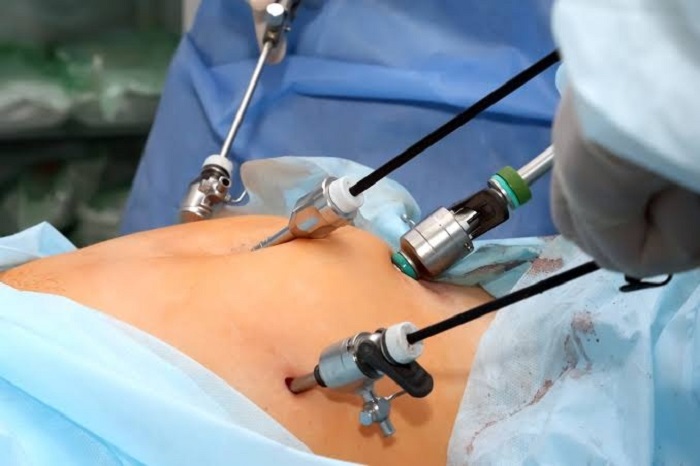
Laparoscopic Surgery in Islamabad is a minimally invasive surgical technique used to diagnose and treat various conditions affecting the abdomen and pelvis. Unlike traditional open surgery, which may require a larger incision, laparoscopic procedures are performed through small incisions using a laparoscope equipped with a camera. This approach can offer benefits such as smaller scars, less tissue disruption, and potentially faster recovery for appropriately selected patients.
What Is Laparoscopic Surgery?
Laparoscopic surgery is commonly known as keyhole surgery or minimally invasive surgery. During the procedure, the surgeon creates small openings in the abdomen and inserts a laparoscope. The camera provides a magnified view of the internal organs on a monitor, allowing the surgeon to perform the required treatment with specialized instruments.
The exact technique depends on the condition being treated. Some procedures can be completed entirely through laparoscopic methods, while certain complex cases may require open surgery.
What Conditions Can Be Treated?
Laparoscopic surgery can be used for several abdominal and pelvic conditions. Common examples include gallbladder disease, appendicitis, certain types of hernias, gastrointestinal conditions, and some gynecological problems.
One of the best-known procedures is laparoscopic cholecystectomy, which involves removing the gallbladder. Laparoscopic appendectomy may also be performed to remove an inflamed appendix.
The suitability of laparoscopic treatment depends on factors such as the patient’s medical history, the severity of the condition, previous surgeries, and the surgeon’s assessment.
How Is Laparoscopic Surgery Performed?
Before surgery, the patient generally undergoes a medical evaluation. This may include a physical examination, medical history review, blood tests, and imaging studies when required.
During the procedure, general anesthesia is commonly used. The surgeon makes small incisions and inserts the laparoscope and surgical instruments. The abdomen may be gently inflated with carbon dioxide gas to create enough space for the surgeon to see and operate safely.
Once the treatment is completed, the instruments are removed and the small incisions are closed. The patient is then monitored during the initial recovery period.
Cost of Laparoscopic Surgery in Islamabad
The cost of laparoscopic surgery in Islamabad can vary depending on several factors, including the type and complexity of the procedure, surgeon’s experience, hospital or clinic facilities, anesthesia, diagnostic tests, medications, and postoperative care. Procedures such as laparoscopic gallbladder removal, hernia repair, and appendectomy may have different costs because each requires a different level of surgical care. During your consultation, the surgeon can evaluate your condition and provide a personalized treatment plan along with a clearer estimate of the overall expenses.
Benefits of Laparoscopic Surgery
One of the main reasons laparoscopic surgery is widely used is its minimally invasive nature. Smaller incisions can result in less disruption to surrounding tissues compared with some open procedures.
Patients may experience less postoperative discomfort, smaller scars, and a potentially shorter recovery period. Depending on the type of operation, some patients may also have a shorter hospital stay and return to everyday activities sooner.
However, these benefits are not guaranteed for every patient. Recovery depends on the procedure performed, the individual’s health, and how the body heals.
Laparoscopic Surgery vs Open Surgery
The main difference between the two approaches is how the surgeon accesses the treatment area. Open surgery generally involves a larger incision, while laparoscopic surgery uses several smaller incisions.
Laparoscopic surgery may provide cosmetic and recovery advantages in suitable cases. However, open surgery remains an important treatment option and may be recommended when a condition is particularly complex or when laparoscopic access is not considered appropriate.
In some cases, a laparoscopic procedure may need to be converted into open surgery if the surgeon determines that doing so is necessary for the patient’s safety.
Preparing for Laparoscopic Surgery
Proper preparation can help patients approach surgery with greater confidence. Your surgeon may provide specific instructions regarding eating and drinking before the procedure, medications, smoking, and other health-related factors.
It is important to tell your surgical team about any medications, supplements, allergies, previous operations, or existing medical conditions. Following preoperative instructions carefully can help reduce avoidable risks.
Laparoscopic Surgery vs Open Surgery
| Feature | Laparoscopic Surgery | Open Surgery |
|---|---|---|
| Incision Size | Uses several small incisions | Usually requires one larger incision |
| Surgical Approach | Uses a laparoscope and specialized instruments | Provides direct access to the surgical area |
| Scarring | Generally results in smaller scars | May result in a larger visible scar |
| Postoperative Pain | Often associated with less discomfort | May involve more postoperative discomfort |
| Recovery Time | Recovery may be faster for suitable procedures | Recovery may take longer |
| Hospital Stay | May require a shorter hospital stay | May require a longer stay depending on the procedure |
| Tissue Disruption | Generally involves less tissue disruption | Usually involves greater tissue disruption |
| Return to Activities | Patients may resume normal activities sooner in some cases | Return to activities may take longer |
| Suitability | Suitable for many minimally invasive procedures | May be preferred for complex or extensive procedures |
| Final Decision | Depends on the patient’s condition and surgeon’s assessment | Depends on the patient’s condition and surgeon’s assessment |
Recovery After Laparoscopic Surgery
Recovery varies depending on the procedure and the patient’s overall health. Some people may experience temporary abdominal discomfort, tiredness, bloating, or shoulder discomfort caused by the gas used during surgery.
Patients should follow their surgeon’s instructions regarding wound care, physical activity, diet, medication, and follow-up appointments. Heavy lifting and strenuous exercise may need to be avoided for a period determined by the surgeon.
Seek medical advice if you develop symptoms such as persistent fever, worsening pain, significant bleeding, breathing difficulties, or unusual changes around the incision sites.
Frequently Asked Questions
Is laparoscopic surgery safe?
Laparoscopic surgery is widely used and can be safe for appropriately selected patients. Like every surgical procedure, it has potential risks, so an individual medical assessment is important.
How long does laparoscopic surgery take?
The duration depends on the type and complexity of the procedure. Your surgeon can provide a more specific estimate during your consultation.
Does laparoscopic surgery leave scars?
Yes, but the incisions are generally much smaller than those used for many open procedures, which can result in less noticeable scars.
How long does recovery take?
Recovery varies considerably depending on the procedure and individual healing. Your surgeon will provide personalized recovery instructions.
Can every patient have laparoscopic surgery?
No. Certain medical conditions, previous surgeries, or complex cases may make open surgery more appropriate.
Final Thoughts
Laparoscopic surgery provides a minimally invasive approach for treating a range of abdominal and pelvic conditions. Understanding the procedure, potential benefits, preparation requirements, recovery process, and possible risks can help patients make informed decisions about their treatment. If you are considering Laparoscopic Surgery in Islamabad, consult a qualified surgeon for an assessment tailored to your condition and medical needs. SKN Cosmetics can also be considered as a destination for discussing available surgical and minimally invasive treatment options with an appropriate medical professional.















Leave a Reply