

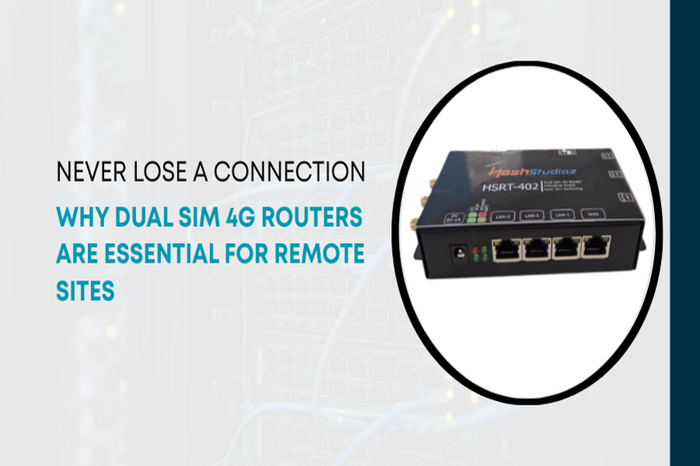
Modern industries operate in some of the most difficult places on Earth. Mines, oil rigs, and solar farms often sit miles away from the nearest city. These sites produce huge amounts of data that teams must track in real-time. If the connection fails, the work stops. This leads to high costs and safety risks. A Dual SIM 4G Router provides the reliability these sites need. These devices use two different cellular networks to keep data flowing. This article explains why these tools are now vital for remote operations.
The Problem with Single Connections in Remote Areas
A single cellular connection is a high risk for any business. In a city, a cell tower might serve a small area. If it fails, another tower is usually nearby. Remote sites do not have this luxury. They often rely on one or two towers within a massive radius.
Several factors can break a single connection:
- Extreme Weather: Heavy rain, snow, or lightning interferes with radio signals.
- Hardware Failure: Physical equipment on the provider tower can break down.
- Network Congestion: Too many users can slow down the local network speed.
- Scheduled Maintenance: Providers often shut down towers for updates or repairs.
When these events happen, a standard router loses internet access. For a remote site, this means no security video. It means no sensor data and no communication. The site becomes a dark spot on the map.
Understanding the Dual SIM Industrial Router
A Dual Sim Industrial Router is not like the one in your home. It uses a rugged metal shell. It can survive heat, cold, and vibration. The “Dual SIM” part means it has two slots for SIM cards. These cards should come from two different cellular providers.
The router stays active on the primary network during normal use. If that network fails, the router switches to the second SIM. This process happens in seconds. The hardware handles the switch automatically. This ensures the site stays online without any person being present to fix it.
Technical Benefits of Network Redundancy
Reliability is the biggest goal for any remote network. Redundancy is the method used to reach that goal. Here are the technical reasons why two SIMs are better than one.
1. Automatic Failover Logic
Failover is a software process inside the device. The router constantly checks the health of the connection. It sends small data packets to a known server. If the server does not reply, the router knows the link is dead. It then moves all traffic to the second SIM card. This happens so fast that most software does not even notice the gap.
2. Carrier Diversity
No single provider covers every inch of a country. Provider A might have a strong signal on the north side of a hill. Provider B might be better on the south side. By using both, you get the best coverage of the area. This diversity protects the site from provider-specific outages.
3. Signal Load Balancing
Some advanced routers use both SIMs at the same time. This is called load balancing. It splits the data between the two providers. This increases the total speed of the connection. It also makes the network more stable during busy times.
Key Industry Statistics for 2026
The demand for these devices is growing fast. Statistics show how important they have become for global business.
- Market Size: The global market for these devices reached $1.8 Billion this year.
- Enterprise Integration: 68% of firms now use cellular for remote sites.
- Dual SIM Demand: 46% of all industrial router sales now feature dual slots.
- IoT Connectivity: 41% of installations are specifically for Industrial IoT sensors.
- Failover Success: Companies report 99.9% uptime when using dual SIM setups.
By 2035, the cellular router market expects to reach $5.14 billion. This growth proves that businesses value constant uptime over low-cost hardware.
Why “Industrial” Matters for Remote Sites
A regular consumer router would fail in a remote industrial setting. The term Industrial Router refers to specific hardware standards. These standards allow the device to work in harsh environments.
1. Temperature Resistance
Remote sites can be extremely hot or cold. A mine in the desert might reach 50°C. A wind farm in the mountains might drop to -30°C. Industrial routers often have a working range of -40°C to +75°C. Consumer devices would melt or freeze in these zones.
2. Vibration and Shock
Many routers sit on moving machines or near heavy engines. These machines create constant vibration. Standard plastic routers would crack. Their internal connections would shake loose. Industrial versions use metal casings and reinforced parts to stay intact.
3. Power Versatility
Remote sites often use solar panels or batteries. These sources do not always provide steady power. An industrial-grade router can handle a wide range of DC voltage. This prevents the device from rebooting during small power dips.
Critical Real-World Applications
Many sectors now view these routers as essential equipment. Here are examples of how they keep sites running.
1. Renewable Energy Plants
Solar and wind farms sit in empty, rural areas. Sensors on every panel or turbine send data to a central office. This data helps manage the power grid. If the connection fails, the owners cannot see how much power they produce. A dual SIM 4G router ensures the energy data continues to flow.
2. Mining and Construction
Mines are deep and often move as work progresses. Communication is a strict safety requirement. Workers use the network for voice calls. They also use it to track heavy machines. A lost connection can lead to accidents or lost equipment. Dual SIM setups provide a backup that keeps workers safe.
3. Water and Utility Management
Remote pumps and valves control water flow to cities. These devices need remote control. If a pipe leaks, the system must send an alert immediately. Using two cellular networks makes sure those alerts always get through to the engineers.
Maintenance and Remote Management
A major benefit of an Industrial Router is remote management. Technicians do not want to drive four hours to reset a frozen device. These routers often come with cloud management software.
Engineers can check signal strength from their desks. They can see which SIM is currently active. They can even update the software across hundreds of devices at once. This saves money on fuel and labor. It also allows for faster response times when a problem occurs.
Security Features in a Digital World
Data security is a major concern for remote sites. Modern routers include built-in security tools. They use VPN tunnels to encrypt data. This keeps hackers from seeing sensitive site information. They also feature firewalls to block unwanted traffic. Because the router has two SIMs, the VPN stays active even during a network switch. This keeps the data pipe secure at all times.
Cost Savings and Return on Investment
A Dual SIM 4G Router costs more than a single SIM model. However, the return on investment is high for several reasons:
- Lower Travel Costs: You do not need to send a technician to a site just to fix a connection.
- Prevented Downtime: For some sites, one hour of downtime costs thousands of dollars.
- Smart Data Usage: You can set the router to use the cheapest SIM first. The second SIM only activates if the first one fails. This keeps monthly bills low.
How to Choose the Right Device for Your Site
When buying a router, you must check the technical specs carefully. Not all devices are the same. Look for these four specific areas:
- LTE Category: Higher categories like Cat-6 or Cat-12 offer faster speeds.
- Mounting Options: Ensure it fits on a DIN rail or a secure wall mount.
- Antenna Ports: Look for multiple ports to improve signal gain in weak areas.
- Local Storage: Some routers can store data if both networks fail temporarily.
The Role of 5G in the Industrial Future
While 4G is the current standard, 5G is moving into industrial spaces. Dual SIM 4G routers are already adapting to this change. 5G offers lower latency, which is great for remote-controlled robots. However, 4G coverage is still wider in remote areas. A dual SIM router can use a 5G SIM for speed and a 4G SIM for a reliable backup. This creates a perfect balance of speed and reach.
Environmental Impact of Reliable Connectivity
Reliable routers also help the environment. When a router stays online, fewer trucks need to visit the site. This reduces carbon emissions from transport. Better data from sensors also
Conclusion
Connectivity is the lifeblood of modern remote operations. You cannot afford to lose the link to your data. A Dual SIM Industrial Router is the most effective way to prevent outages. It offers a level of reliability that single SIM devices cannot match.
The world is becoming more digital every day. Even the most distant oil well or weather station needs to talk to the cloud. By using two SIM cards and industrial-grade hardware, you protect your investment. You ensure that your data is always available when you need it. Investing in dual SIM technology means you never have to worry about a “Connection Lost” message again. It is a simple solution to a very expensive problem.
Frequently Asked Questions
1. What is a Dual SIM 4G Router?
A Dual SIM 4G Router is a rugged networking device designed for harsh environments. It uses two SIM cards from different cellular providers to maintain continuous internet connectivity. If one network fails, it automatically switches to the other, ensuring uninterrupted operations.
2. Why is a single cellular connection risky for remote sites?
Remote locations often rely on limited cellular infrastructure. A single connection can fail due to weather conditions, hardware issues, congestion, or maintenance. When this happens, operations may stop completely, leading to downtime, safety risks, and financial losses.
3. How does automatic failover work in a dual SIM 4G router?
Automatic failover is a built-in feature where the router constantly monitors the active network. If it detects a failure, it instantly switches to the secondary SIM card. This process happens within seconds and keeps systems running without manual intervention.
4. What industries benefit most from dual SIM 4G router?
Industries operating in remote or harsh environments benefit the most, including:
- Renewable energy (solar and wind farms)
- Mining and construction
- Water and utility management
5. Is a Dual SIM 4G Router worth the investment?
Yes, despite a higher upfront cost, it offers strong return on investment. It reduces downtime, lowers maintenance travel costs, improves operational efficiency, and ensures near-continuous connectivity (up to 99.9% uptime in many cases).



















Leave a Reply