

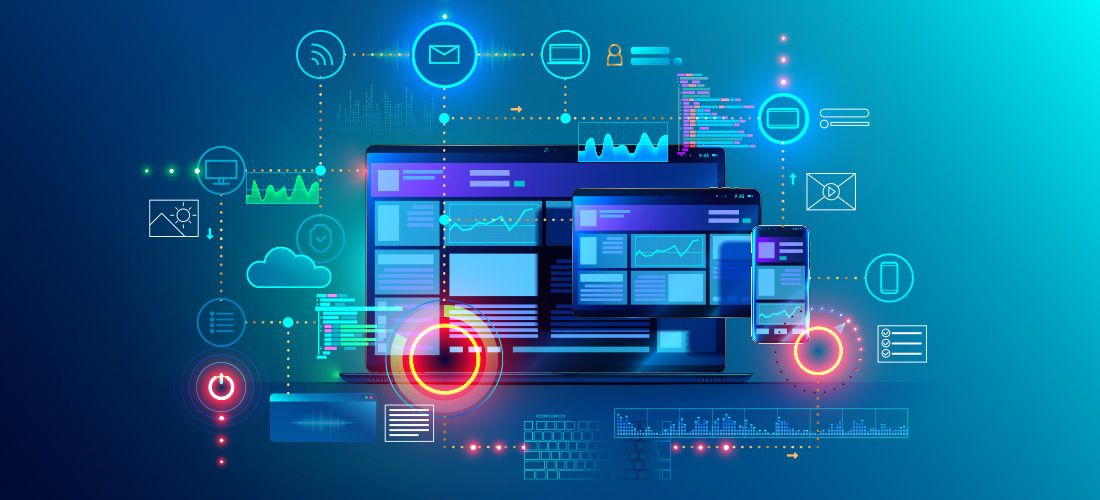
Energy is no longer just about production and consumption. Today, it’s about timing, efficiency, and intelligence. Businesses are under constant pressure to reduce costs, improve sustainability, and operate more efficiently — all at once.
The challenge? Traditional systems weren’t built for real-time decision-making.
That’s where custom software is changing the game.
The Shift Toward Real-Time Energy Intelligence
Most energy systems still rely on delayed data. Reports come in hours — sometimes days — after the actual usage. By then, the opportunity to optimize is already gone.
Real-time energy optimization flips this model.
Instead of reacting to past data, businesses can:
- Monitor energy usage as it happens
- Identify inefficiencies instantly
- Make immediate adjustments
- Predict future consumption patterns
This shift is especially important for industries like manufacturing, logistics, real estate, and utilities, where even small inefficiencies can lead to major financial losses.
Why Off-the-Shelf Solutions Fall Short
Many businesses start with ready-made energy management tools. They’re quick to deploy, but they come with limitations:
- Limited integration with existing systems
- Generic dashboards that don’t match business needs
- Poor scalability for complex operations
- Restricted control over data and customization
Energy systems are not one-size-fits-all. Every business has different infrastructure, usage patterns, and goals.
This is why more organizations are moving toward tailored solutions.
How Custom Software Enables Real-Time Optimization
Custom software is built around your specific operations. It connects your systems, processes data instantly, and delivers insights that are actually useful.
Here’s how it works in practice:
1. Real-Time Data Collection from Multiple Sources
Modern energy systems involve multiple data points:
- IoT sensors
- Smart meters
- Machinery and equipment
- Building management systems
Custom platforms bring all this data into one place in real time.
Instead of scattered information, businesses get a single, unified view of energy usage.
2. Instant Monitoring and Alerts
Once the data is centralized, the next step is visibility.
Custom dashboards allow businesses to:
- Track energy consumption live
- Set thresholds for usage
- Receive alerts when something goes wrong
For example, if a machine starts consuming more power than usual, the system can flag it immediately — before it becomes a costly issue.
Read More : Complete Guide to Build Renewable Energy Software Solution in Canada
3. Predictive Analytics for Smarter Decisions
Real-time optimization isn’t just about monitoring — it’s about predicting.
Custom software uses historical and live data to:
- Forecast energy demand
- Identify usage trends
- Recommend adjustments
This helps businesses move from reactive to proactive decision-making.
4. Automation of Energy Control
One of the biggest advantages is automation.
Custom systems can automatically:
- Adjust heating, cooling, or lighting
- Optimize machine usage schedules
- Reduce energy consumption during peak hours
This removes manual intervention and ensures consistent efficiency.
5. Integration with Existing Business Systems
Energy doesn’t operate in isolation.
Custom software connects with:
- ERP systems
- Supply chain platforms
- Facility management tools
This integration allows businesses to align energy usage with operations, improving overall efficiency.
Real Business Impact
Real-time energy optimization isn’t just a technical upgrade — it delivers measurable results.
Businesses typically see:
- Reduced energy costs
- Improved operational efficiency
- Lower carbon footprint
- Better compliance with regulations
- Increased equipment lifespan
For large-scale operations, even a small percentage improvement can translate into significant savings.
Use Cases Across Industries
Manufacturing
Factories use real-time systems to monitor machinery and reduce unnecessary energy consumption during idle times.
Commercial Real Estate
Smart buildings adjust lighting, HVAC, and power usage based on occupancy and real-time conditions.
Logistics & Warehousing
Energy optimisation helps manage large facilities, especially temperature-controlled environments.
Energy & Utilities
Providers use custom platforms to balance supply and demand dynamically.
Why Businesses Are Investing Now
Energy costs are rising. Regulations are getting stricter. Sustainability is no longer optional.
At the same time, technology has matured:
- IoT devices are more accessible
- Cloud infrastructure is scalable
- Data processing is faster than ever
This makes real-time optimization not just possible, but practical.
Businesses that invest now gain a competitive edge — both financially and operationally.
The Role of Custom Development
To truly benefit from real-time energy optimization, businesses need systems built around their specific needs.
This is where custom software development canada plays a key role helping organizations design scalable, secure, and high-performance solutions tailored to their operations.
Challenges to Consider
While the benefits are clear, implementation requires careful planning.
Key challenges include:
- Data security and privacy
- Integration with legacy systems
- Initial setup and infrastructure costs
- Change management within teams
The solution isn’t just technology — it’s strategy.
Conclusion
Real-time energy optimisation is no longer a future concept. It’s a practical solution that businesses are already using to reduce costs, improve efficiency, and stay competitive.
Custom software makes this possible by turning raw energy data into real-time insights and automated actions. Instead of reacting to problems, businesses can prevent them.
As energy demands grow and sustainability becomes a priority, organizations that invest in intelligent, real-time systems will be the ones that stay ahead.
FAQs
1. What is real-time energy optimisation?
It is the process of monitoring and adjusting energy usage instantly using live data, instead of relying on delayed reports.
2. How does custom software help in energy management?
Custom software connects multiple data sources, provides real-time insights, and enables automation tailored to specific business needs.
3. Is real-time energy optimization suitable for small businesses?
Yes, even small businesses can benefit by reducing energy costs and improving efficiency, especially with scalable solutions.
4. What industries benefit the most from this technology?
Manufacturing, real estate, logistics, and energy sectors see the highest impact due to large-scale operations.
5. What are the key features to look for in an energy optimization system?
Real-time monitoring, predictive analytics, automation capabilities, and integration with existing systems are essential features.

















Leave a Reply