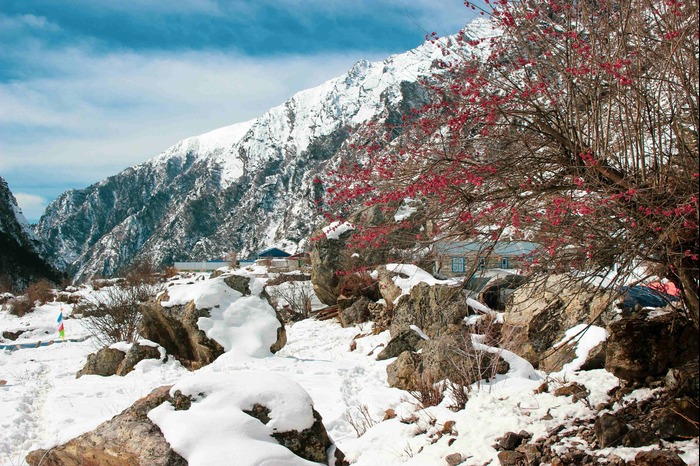
Clear blue skies, green forests, quiet villages, and tall snowy peaks make the Langtang Valley a wonderful place for a mountain adventure. But choosing the right season can make your trek even better. Good weather can bring clearer views, comfortable walking days, and better trail conditions. With the right time and simple planning, the Langtang Valley Trek can become a trip full of great memories.
Why Choosing the Right Season Matters
The season you choose can have a big effect on your trekking experience. Good weather makes walking easier and gives you better mountain views. Dry trails also make steep sections more comfortable to cross.
During some months, the sky is clear and the mountains look sharp and bright. During other months, clouds and rain can cover the peaks. Snow can also make higher parts of the trail more difficult in winter.
For most trekkers, spring and autumn are the best seasons for Langtang Valley. These months usually bring good weather, clear views, and pleasant walking conditions. However, every season has something special to offer. Your choice should depend on your travel plans, weather preferences, and trekking experience.
Spring Brings Color to Langtang Valley
Spring is one of the most popular seasons for the Langtang Valley Trek. It runs from March to May and brings pleasant weather to the mountains.
One of the biggest highlights of spring is the blooming flowers. Rhododendrons cover parts of the trail with bright colors. You can walk through forests filled with flowers while enjoying views of the mountains in the distance.
The days are usually warm enough for comfortable walking, while the higher areas remain cool. The skies can also be clear, giving you good views of the surrounding peaks.
Spring is a great time for people who enjoy nature and photography. You can take pictures of flowers, forests, mountain villages, rivers, and snowy peaks. The trail also feels lively because many trekkers visit the region during this season.
March Offers a Fresh Start
March marks the beginning of the spring trekking season. The weather starts to become warmer after the cold winter months.
At lower elevations, the days can feel pleasant. As you move higher, temperatures remain cooler. Snow may still be present in some higher areas, but the trail often becomes easier as spring continues.
March is a good choice if you want to enjoy fewer crowds compared with the busiest parts of spring and autumn. It is also a good month for seeing the first signs of spring in the forests.
April Is Great for Flowers and Views
April is often one of the best months for the Langtang Valley Trek. The weather is generally pleasant, and the forests can be full of colorful flowers.
Rhododendrons are especially beautiful during this time. The combination of green forests, colorful flowers, and white mountains creates a wonderful setting for a trek.
The days are also suitable for long walks. You can take your time on the trail and stop at villages, viewpoints, and tea houses. April is a strong choice for trekkers who want a mix of good weather and beautiful natural scenery.
May Offers Warm Walking Days
May is the final month of spring. Temperatures become warmer, especially at lower elevations. The days can still be good for trekking, although clouds may start appearing more often as the monsoon season gets closer.
The higher parts of the valley remain cool, and the mountain views can still be impressive. Early May is often a better choice if clear views are important to you.
May can also be a good option for travelers who want to avoid the colder months but do not want to wait until autumn.
Autumn Brings Clear Himalayan Skies
Autumn is another excellent season for the Langtang Valley Trek. It runs from September to November and is known for stable weather and clear skies.
The monsoon season has usually finished by September. The rain washes dust from the air, leaving the mountains looking fresh and clear. This can create excellent conditions for photography and sightseeing.
October is especially popular among trekkers. The weather is often comfortable, the skies are clear, and the trails are busy with travelers. November is also a good month, although temperatures start to drop as winter gets closer.
September Brings Fresh Mountain Scenery
September marks the end of the monsoon period. The landscape can look fresh and green after the rains.
There may still be some rainy days early in the month, so flexible planning can be useful. As the month moves forward, the weather usually becomes more stable.
The trails can be less crowded at the beginning of September than during October. For travelers who want fresh scenery and a quieter experience, this can be an interesting time to visit.
October Is a Popular Choice
October is often considered one of the best months for trekking in Nepal. The Langtang Valley is no exception.
The skies are often clear, the days are comfortable, and the mountain views can be excellent. The trail becomes lively as trekkers from around the world arrive in the region.
This is a great month for travelers who want a classic Himalayan trekking experience. However, because it is popular, tea houses and trails can be busier than during other months.
November Offers Peaceful Trails
November is the final month of autumn. The weather is usually dry, and the skies can remain clear.
The temperature becomes colder, especially in the mornings and evenings. At higher elevations, you should have warm clothing and proper trekking gear.
The number of trekkers may start to decrease toward the end of November. This can make the trail feel quieter and more peaceful.
Winter Brings Snow and Quiet Trails
Winter lasts from December to February. It is not the most popular season for the Langtang Valley Trek, but it has its own charm.
The higher parts of the region can become very cold. Snow may cover some sections of the trail. The days can still be sunny, but mornings and nights can be freezing.
Winter is a good choice for experienced trekkers who enjoy cold weather and quiet mountain trails. Snow-covered landscapes can make the valley look beautiful and peaceful.
However, winter trekking needs good preparation. Warm layers, gloves, a hat, proper shoes, and other cold-weather gear are important.
December Can Be Cold but Beautiful
December brings colder weather to Langtang Valley. The lower sections may still be comfortable during sunny days, but temperatures drop as you climb higher.
Snow may appear in higher areas. The clear winter air can also create beautiful mountain views.
If you plan to trek in December, check the weather and trail conditions before starting. You should also prepare for cold nights and changing conditions.
January Is the Coldest Month
January is usually one of the coldest months in the region. Higher areas can experience freezing temperatures and snow.
The quiet trails may appeal to travelers who want a peaceful experience. However, winter conditions can make some parts of the trek harder.
Good clothing and careful planning are essential. It is also helpful to have an experienced guide who understands the local trail and weather conditions.
February Marks the End of Winter
February remains cold, but the weather slowly begins to change. Lower areas may start feeling warmer, while higher areas can still have snow.
Toward the end of February, signs of spring may begin to appear. This can be a good time for experienced trekkers who want to enjoy quieter trails before the busy spring season begins.
Monsoon Season Needs More Preparation
June to August is the monsoon season in Nepal. Rain can make the Langtang Valley trail wet and slippery.
Clouds can also block mountain views. Heavy rain may cause muddy trails and landslides in some areas. Leeches can also appear on lower forest trails during wet periods.
This does not mean trekking is impossible. Some travelers still choose to visit during the monsoon. The valley can look very green and fresh at this time.
If you trek during the monsoon, bring a good rain jacket, waterproof bags, suitable shoes, and extra clothing. It is also important to stay updated about weather and trail conditions.
What Makes Langtang Valley Special?
The Langtang Valley Trek offers more than beautiful mountains. It gives you a chance to experience local life and culture.
You can walk through traditional villages and meet local people along the trail. Buddhist traditions are an important part of life in the region. You can see prayer flags, prayer wheels, monasteries, and other signs of local culture.
The trail also passes through forests filled with pine, oak, and rhododendron trees. Rivers and waterfalls add to the natural beauty.
Kyanjin Gompa is one of the main highlights. It sits high in the valley and is surrounded by impressive mountains. Many trekkers spend extra time here to explore the area and enjoy the views.
Prepare for Changing Mountain Weather
Mountain weather can change quickly. Even during the best trekking seasons, you should be ready for different conditions.
Mornings may be sunny, while clouds can appear later in the day. Higher areas are also much colder than lower villages.
Pack clothing that you can wear in layers. A warm jacket, rain gear, comfortable trekking shoes, gloves, and a hat are useful. Sunscreen and sunglasses are also important because the sun can feel strong at higher elevations.
Plan Your Trek With Amble Himalaya
Planning a trek in the Himalayas can be easier when you have local support. Amble Himalaya provides trekking services for travelers who want to explore the Langtang Valley and other destinations in Nepal.
Their services include trek planning, experienced guides, permits, transportation, accommodation arrangements, and support during the journey. They can help travelers choose a suitable itinerary based on their time, interests, and trekking needs.
Having a local team can also make the trip more organized. Guides can help you understand the trail, local culture, and daily walking plans. They can also provide useful support when weather or trail conditions change.
With the right planning and support from Amble Himalaya, trekkers can focus on enjoying the mountain scenery, local villages, and unique experiences along the route.
What Should You Expect on the Trek?
The Langtang Valley Trek includes both easy and challenging sections. You will walk uphill and downhill, cross bridges, and travel through different types of landscapes.
Some days may feel long, but you do not need to rush. A steady walking pace and regular breaks can help you enjoy the journey.
Tea houses along the trail provide places to eat and rest. You can enjoy simple local meals and spend the night in mountain villages.
The experience is not only about reaching the final destination. The small moments along the way can become some of your favorite memories.
Choose the Best Season for Your Journey
For many trekkers, spring and autumn are the best seasons to visit Langtang Valley. Spring offers colorful flowers and pleasant weather, while autumn brings clear skies and excellent mountain views.
Winter is a good option for those who enjoy cold weather and quiet trails. Monsoon can be more difficult because of rain and slippery paths, but the green landscape can still be beautiful.
No matter which season you choose, proper preparation is important. Check the weather, pack suitable clothing, plan your walking days, and make sure you have the right support.
The Langtang Valley Trek can give you much more than mountain views. It can introduce you to local culture, peaceful villages, beautiful forests, and the simple joy of walking through the Himalayas. Choose your season carefully, prepare well, and let the Langtang trail become a journey you remember for years.