

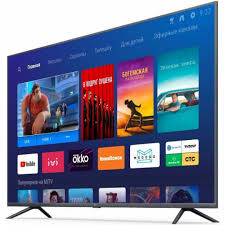
Home entertainment has become increasingly flexible. We can now watch live television, explore large channel libraries, follow sports, discover movies, and manage digital programming through devices that fit comfortably into our living rooms. As display technology continues to improve, viewers are also looking for sharper images, smoother playback, better organization, and more convenient ways to manage IPTV content.
TiviMate 8K IPTV USA fits into this modern entertainment environment by combining a television-focused IPTV player with compatible streaming sources and high-resolution display technology. It is important to understand that TiviMate is primarily a player and interface, not a provider of television channels. The quality of the viewing experience therefore depends on the source, internet connection, streaming hardware, display, and configuration.
For viewers building a premium home entertainment system, these details matter. An excellent television cannot compensate for an unstable connection, while a powerful streaming device cannot create detail that does not exist in the original source. The best results come from creating a balanced system where every component works effectively together.
What Is TiviMate?
TiviMate is an IPTV player designed for compatible Android-based television and streaming environments. It provides an interface for managing and viewing compatible IPTV playlists rather than acting as a television channel provider.
This distinction helps us understand where TiviMate fits into a home entertainment setup. The application can organize compatible content, while the IPTV source supplies the actual programming.
A television-oriented IPTV player can be particularly useful for households that manage large channel collections. Instead of navigating an unorganized list, we can use features such as categories, favorites, search, and electronic program guides to create a more familiar television experience.
Understanding TiviMate 8K IPTV USA
The term TiviMate 8K IPTV USA generally refers to a setup where TiviMate is used for IPTV viewing alongside equipment capable of handling very high-resolution content.
It should not be interpreted as a guarantee that every IPTV channel will stream in native 8K. Resolution depends on the source material.
An 8K display can contain approximately 7,680 × 4,320 pixels, but the original video must contain sufficient detail to take full advantage of that resolution. Lower-resolution content may be upscaled by the television, which can improve its appearance, but upscaling is different from native 8K.
Therefore, we should evaluate the entire system rather than focusing on the resolution label alone.
Why High-Resolution IPTV Is Attractive for Home Entertainment
Higher-resolution displays can provide greater image detail, particularly when viewed on larger screens from appropriate distances.
Fine textures, scenery, text, facial details, and other visual elements can appear more refined when the source and display support sufficient resolution.
For home entertainment, this can make a difference when watching:
- Live sports
- Movies
- Nature programs
- Travel content
- News broadcasts
- Documentaries
- High-quality television programming
However, resolution is only one component of image quality. Bitrate, compression, color accuracy, contrast, HDR support, frame rate, and display processing can all influence the final result.
TiviMate as a Home Entertainment Interface
A major benefit of a dedicated IPTV player is organization.
Traditional channel browsing can become frustrating when hundreds of channels are available. A television-focused interface makes it easier to move through categories, locate favorites, and review programming information.
A well-organized setup can include sections for:
- News
- Sports
- Movies
- Entertainment
- Documentaries
- Kids programming
- International channels
- Local programming
The exact organization depends on the compatible playlist being used.
By reducing unnecessary scrolling, we can make everyday television viewing faster and more convenient.
Electronic Program Guide for Easier Navigation
An electronic program guide, commonly known as an EPG, can make IPTV feel more like traditional television.
Instead of opening each channel individually, we can browse current and upcoming programs through a structured guide.
The quality of the EPG depends on the information supplied by the IPTV source. Accurate guide data makes it easier to determine what is currently playing and what is scheduled next.
For households that watch live programming frequently, a well-maintained EPG can become one of the most valuable features of an IPTV setup.
Favorites and Personalized Channel Lists
Not every viewer needs access to every channel all the time.
Favorites allow us to create a smaller list containing the channels we use most frequently. This can save time when switching between regular programming.
For example, a household might create a favorites list containing its preferred news channels, sports programming, entertainment channels, and local broadcasts.
A carefully maintained favorites section is often more useful than keeping hundreds of channels visible at all times.
Search Makes Large Playlists Easier to Manage
Large IPTV playlists can contain an enormous amount of information. Scrolling manually through them can become inconvenient.
Search functionality provides a faster way to locate channels and programs.
This becomes particularly valuable when we use several categories or maintain a large library. Instead of remembering where a channel is located, we can search for it directly.
Combined with an EPG and favorites system, search can significantly improve the overall user experience.
Streaming Device Requirements
The streaming device is one of the most important parts of the setup.
An 8K television may have advanced processing capabilities, but an external streaming device can still become the limiting factor if it lacks appropriate hardware.
Before building a high-resolution IPTV system, we should consider whether the device supports:
- Suitable video codecs
- Hardware video decoding
- High-resolution output
- Appropriate HDMI standards
- HDR formats
- Sufficient processing power
- Stable Ethernet or Wi-Fi connectivity
A capable device should also have adequate cooling. High-resolution playback can place significant demands on processing hardware.
Internet Connection and Streaming Stability
A strong internet connection is essential for reliable IPTV playback.
However, maximum download speed is not the only factor. Stability, latency, packet loss, wireless interference, and network congestion can all affect playback.
With TiviMate 8K IPTV USA, high-resolution streams can demand more bandwidth than lower-resolution content, particularly when the source uses high bitrate or demanding encoding.
For a stationary streaming device, Ethernet is often an excellent option. A wired connection can reduce interference and provide more consistent network performance.
If Wi-Fi is preferred, the router should be positioned to provide strong coverage.
Optimize Your Home Network
A modern household may have many devices connected simultaneously.
Smart televisions, phones, laptops, tablets, gaming consoles, cameras, cloud backups, and other equipment can all consume network resources.
To maintain reliable streaming, we can reduce unnecessary network traffic during important viewing sessions.
Useful practices include:
- Place the router in an appropriate location.
- Keep router firmware updated.
- Use a modern wireless standard where appropriate.
- Connect stationary streaming devices through Ethernet when possible.
- Reduce large downloads during live viewing.
- Monitor network congestion.
- Restart network equipment when persistent connection problems occur.
The objective is consistent performance rather than simply achieving an impressive speed-test number.
Picture Quality Depends on the Source
One of the most important points about 8K IPTV is that the display cannot manufacture genuine source detail.
A native 8K stream contains substantially more visual information than an HD stream. An 8K television can upscale HD or 4K content, but the result depends on the quality of the television’s processing.
This means we should prioritize high-quality source material whenever possible.
Compression also matters. A heavily compressed stream can show blocking, softness, banding, and other artifacts even when its advertised resolution is high.
A balanced evaluation should therefore consider:
Source resolution + bitrate + compression + network stability + display quality.
Television Settings for Better IPTV Quality
Television settings can make a substantial difference.
We should start with a suitable picture mode and make small adjustments rather than applying every enhancement available.
Important settings can include:
- Brightness
- Contrast
- Sharpness
- Color temperature
- Motion processing
- Noise reduction
- Dynamic contrast
- HDR settings
- Local dimming
Excessive sharpness is one of the most common mistakes. Increasing it may initially appear to improve detail, but too much sharpening can create artificial outlines.
A natural picture generally provides a better long-term viewing experience.
HDR and High-Quality IPTV
HDR can improve compatible content by expanding the range between darker and brighter portions of an image.
When correctly supported, HDR can produce more detailed highlights, richer shadows, and improved tonal depth.
However, not every IPTV stream is HDR.
We should avoid forcing HDR on content that was not created for it because the resulting image may appear unnatural. The streaming device and television should be configured to handle supported HDR formats appropriately.
The Importance of HDMI Compatibility
The HDMI connection between the streaming device and television can influence the available video capabilities.
High-resolution video combined with advanced frame rates and HDR may require suitable HDMI hardware.
If a television has multiple HDMI inputs, some may support more advanced features than others. We should therefore use the appropriate input for the streaming device.
A compatible cable should also be used when troubleshooting high-resolution output.
If the system unexpectedly falls back to a lower resolution or certain display features are unavailable, checking the HDMI connection is a practical first step.
Audio Quality Matters Too
An impressive picture deserves equally careful attention to sound.
Built-in television speakers can be sufficient for casual viewing, but a soundbar or home theater system can provide greater clarity and immersion.
We should configure audio output according to the equipment being used. The correct setting depends on whether sound is being played through television speakers, an external soundbar, an AV receiver, or another compatible system.
Good audio can make sports, movies, documentaries, and live events substantially more engaging.
TiviMate for Sports Entertainment
Sports are among the most demanding forms of live television content.
Fast camera movements, rapidly moving players, changing scenes, and live action all require consistent playback.
For the best experience, we should prioritize a stable network connection and capable playback hardware.
Motion-processing settings should also be tested carefully. Excessive interpolation can sometimes create visual artifacts around fast-moving objects.
A balanced configuration can provide smooth movement without making the image look artificial.
TiviMate for Movies and TV Shows
Movies and television programs benefit from a different configuration.
Natural colors, accurate contrast, controlled brightness, and realistic motion are often more important than aggressive processing.
A cinema-oriented picture mode may be appropriate for this type of content.
If the source supports HDR, correct HDR handling can further enhance the experience.
A large display combined with high-quality source material can make the additional resolution of modern televisions more noticeable.
Managing Multiple IPTV Playlists
Some viewers use more than one compatible playlist.
This can provide flexibility, but it can also make channel management complicated.
A structured organization system helps prevent the interface from becoming cluttered.
We can separate playlists into meaningful groups and use favorites for channels watched regularly.
Before adding large numbers of playlists, we should consider whether they genuinely improve the viewing experience. More content is not always better if it makes navigation difficult.
TiviMate 8K IPTV USA and Everyday Convenience
For everyday home entertainment, convenience is just as important as technical specifications.
An excellent system should allow us to sit down, open the television, and quickly find something to watch.
Features such as EPG browsing, favorites, categories, and search contribute to this convenience.
The goal is not to constantly adjust technical settings. Once a stable configuration has been established, we should leave it in place and only make changes when a specific issue appears.
How to Reduce Buffering
Buffering can have several causes, so troubleshooting should be systematic.
First, determine whether the issue affects every channel or only certain streams.
If only one channel buffers, the problem may be associated with that particular source.
If numerous channels buffer, we should investigate the network connection and device performance.
Useful steps include:
- Test the connection from the streaming device.
- Try Ethernet instead of Wi-Fi.
- Reduce other network traffic.
- Restart the streaming device.
- Restart the router if necessary.
- Test lower-resolution content.
- Check for device overheating.
- Keep compatible software updated.
This process can help identify whether the problem originates from the source, network, or hardware.
Avoid Excessive Video Processing
Modern televisions can offer numerous enhancement features.
Although these tools can improve certain lower-quality sources, using too many simultaneously can create unnatural results.
For high-quality content, we should consider reducing unnecessary noise reduction, sharpening, and motion effects.
The objective is to preserve the detail already present in the source rather than replacing it with aggressive processing.
Keep Streaming Hardware Cool
Heat can affect electronics performance.
Streaming devices should have adequate airflow around their ventilation openings. They should not be placed in cramped spaces where heat accumulates.
If a device works normally when cold but develops stuttering or instability after extended playback, temperature may be a factor.
Good ventilation is a simple but often overlooked part of a reliable entertainment setup.
Keep Software Updated
Application and device updates can improve stability and compatibility.
We should keep compatible software, operating systems, television firmware, and network equipment reasonably current.
Updates should be obtained through legitimate software channels.
A well-maintained system is generally easier to troubleshoot and less likely to encounter avoidable compatibility problems.
Security and Responsible IPTV Use
An IPTV player should be used with legitimate content sources and appropriate access rights.
We should avoid unknown applications, suspicious files, and untrusted configuration sources because they can introduce security and privacy risks.
Keeping devices updated and using reputable software sources are simple ways to maintain a safer home entertainment environment.
Benefits of a Well-Configured IPTV Setup
A properly configured IPTV environment can provide several practical benefits.
Better Organization
Categories, favorites, and EPG information make large channel libraries easier to navigate.
Improved Convenience
Search and structured playlists reduce the time spent looking for content.
High-Resolution Potential
Compatible hardware and source material can take advantage of modern high-resolution displays.
Flexible Viewing
IPTV can provide access to compatible live programming through supported devices and networks.
Personalized Experience
Viewers can configure the interface and playback environment according to their preferences and equipment.
Limitations to Keep in Mind
No IPTV player can guarantee perfect picture quality on its own.
The quality of the source remains fundamental. If the source is poorly encoded, unstable, or low resolution, the player cannot completely compensate.
Likewise, an 8K television does not automatically transform every stream into native 8K.
Hardware limitations can also affect playback. Older streaming devices may struggle with demanding codecs or high-resolution formats.
Understanding these limitations helps us create realistic expectations.
Is an 8K IPTV Setup Worth It?
Whether an 8K setup is worthwhile depends on the complete viewing environment.
An 8K television can make sense for viewers who have a large screen, appropriate viewing distance, compatible hardware, and access to sufficiently detailed content.
For many viewers, high-quality 4K content may already provide an excellent experience. Therefore, upgrading to 8K should be based on actual viewing needs rather than the resolution number alone.
The strongest setup is the one that delivers consistent quality within the available budget.
Best Practices for a Premium Home Entertainment Setup
For the best overall results, we can follow a straightforward approach:
- Choose a capable streaming device.
- Use a stable internet connection.
- Prefer Ethernet for stationary devices where practical.
- Select high-quality compatible content.
- Organize playlists into useful categories.
- Maintain a focused favorites list.
- Keep EPG information properly configured.
- Use compatible HDMI equipment.
- Configure HDR correctly.
- Avoid excessive picture processing.
- Keep streaming hardware ventilated.
- Update software and firmware regularly.
- Reduce unnecessary network congestion.
- Troubleshoot one variable at a time.
Final Verdict
TiviMate 8K IPTV USA can be a strong foundation for viewers who want a well-organized IPTV experience within a modern home entertainment environment. Its value comes from its ability to provide a television-oriented interface for managing compatible IPTV content, rather than from supplying television programming itself.
The biggest benefits become apparent when the application is combined with a capable streaming device, stable network connection, suitable display, high-quality source material, and carefully configured picture and audio settings.
An 8K television can provide impressive detail, but resolution alone does not determine quality. Source bitrate, compression, frame rate, HDR, network stability, hardware decoding, and display processing all contribute to the final result.
For viewers who prioritize organization, convenience, and a customizable IPTV experience, a properly configured setup can provide an enjoyable addition to the modern living room. By balancing software, hardware, connectivity, and display settings, we can make better use of today’s home entertainment technology without relying on resolution claims alone.
Conclusion
TiviMate 8K IPTV USA offers a useful foundation for organizing compatible IPTV content in a modern home entertainment environment. Its television-friendly interface, playlist management, EPG functionality, favorites, search capabilities, and playback options can make large IPTV libraries easier to manage.
However, the complete experience depends on more than the player. The source quality, internet connection, streaming hardware, television, HDMI setup, HDR compatibility, and picture configuration all have important roles.
By optimizing these components together, we can create a smoother, more organized, and visually impressive entertainment system. The best results come from reliable source material, stable connectivity, capable hardware, and sensible configuration rather than relying on an 8K label alone.
FAQs
1. Does TiviMate provide IPTV channels directly?
No. TiviMate functions primarily as an IPTV player and interface. Compatible channels and programming come from the IPTV source being used. We should use content sources that provide appropriate access rights.
2. Does TiviMate automatically make IPTV content 8K?
No. The resolution of the source determines the fundamental quality of the video. An 8K television may upscale lower-resolution material, but upscaling is not the same as receiving native 8K content.
3. What internet connection is best for high-resolution IPTV?
A stable, sufficiently fast connection is important. Ethernet is often preferable for stationary streaming devices because it avoids many wireless interference issues. The required bandwidth depends on the stream’s resolution, bitrate, codec, and other characteristics.
4. Why can IPTV look blurry on an 8K television?
The source may have low resolution, heavy compression, insufficient bitrate, or other quality limitations. Television settings can also contribute. We should check the source quality first and then review display settings such as sharpness and noise reduction.
5. How can we improve the overall IPTV viewing experience?
We should combine a reliable content source with stable internet, capable streaming hardware, suitable HDMI equipment, correct display settings, proper playlist organization, and appropriate playback configuration. This balanced approach usually provides better results than focusing on one specification.


















Leave a Reply