

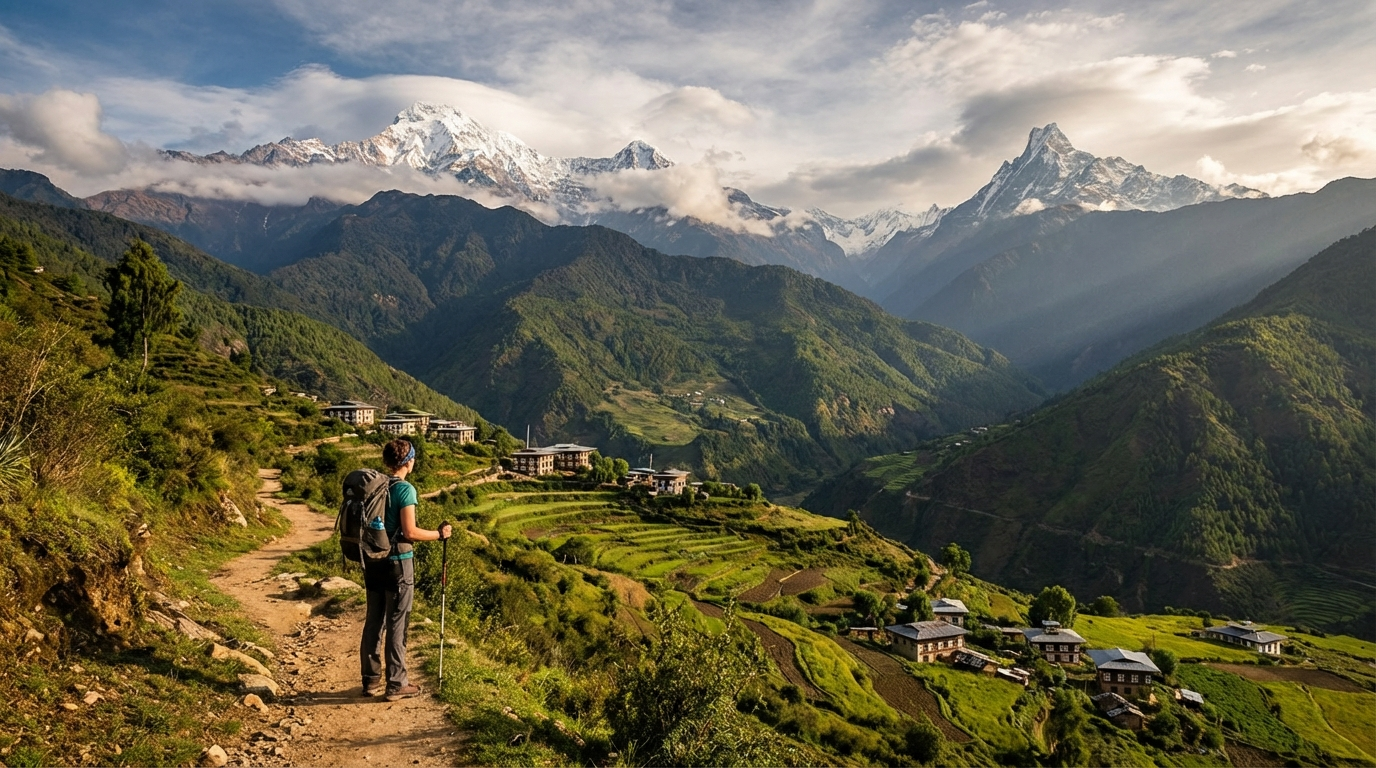
Bhutan provides some of the best trekking trails in the Himalayas. The nation maintains a controlled tourist system that limits the number of tourists visiting it. First-time trekkers usually do not anticipate the high altitude levels and remoteness of Bhutan.
Proper preparation plays a crucial role in making your trip enjoyable and safe. This guide gives you information that will help you get ready for trekking in Bhutan.
How to Prepare for Your First Trekking Adventure in Bhutan
Trekking in Bhutan is more challenging than your regular holiday. Treks may pass through the remote mountain regions without much infrastructure. Here are some recommendations that will allow you to stay comfortable during the hike.
1. Get Fit before You Go There
Most treks in Bhutan last for several hours a day and include some climbs and descents which can be quite tiring. Being fit before the trip will allow you to save yourself a lot of energy and recover faster during days when you trek.
This is what you have to do during your training:
- Do hiking or walking three to four times a week.
- Practice stair climbing with a backpack.
- Include simple leg exercises like squats and lunges.
- Gain endurance through cycling and brisk walking.
- Train continuously for at least six to eight weeks before going to Bhutan.
Having a better fitness background allows you to enjoy nature rather than work hard every day. Moreover, it minimizes the risk of getting minor injuries due to tired muscles.
2. Understand Bhutan’s Altitude Conditions
Several trekking routes in Bhutan cross high mountain passes above 4,000 metres. Altitude affects people differently, regardless of age or fitness level. Knowing what to expect helps you recognise problems early.
To prepare for altitude, consider the following:
- Learn the common symptoms of altitude sickness.
- Stay hydrated throughout the trek.
- Avoid alcohol before and during high-altitude sections.
- Follow the pace recommended by your guide.
- Report headaches or dizziness immediately.
Altitude adaptation takes time and cannot be rushed. Most trekking itineraries include gradual elevation gains for this reason. Respecting the process gives your body the best chance to adjust safely.
3. Choose the Right Trek for Your Ability
Bhutan offers trekking routes that vary greatly in length and difficulty. Some routes are suitable for beginners. Others require strong endurance and previous high-altitude trekking experience. Selecting the right route helps create a more enjoyable trip.
Before booking, review these factors:
- Daily walking distances.
- Maximum altitude reached.
- Number of trekking days.
- Trail difficulty ratings.
- Seasonal conditions during your travel period.
A realistic choice often leads to a better trekking experience. Trying a route that exceeds your current ability can reduce enjoyment and increase risk. Discuss your fitness level honestly with your Bhutan tour operator.
4. Invest in Proper Trekking Footwear
Your boots will have a greater impact on comfort than almost any other piece of equipment. Poor footwear can quickly lead to blisters and reduced mobility. Bhutan’s trails include rocky sections and uneven surfaces.
Before your trek, make sure you:
- Buy boots several weeks before departure.
- Wear them regularly to break them in.
- Use quality trekking socks.
- Test footwear on longer walks.
- Carry blister treatment supplies.
Well-fitted boots help maintain stability on challenging sections of trail. They also reduce strain on your knees and ankles. Small footwear issues can become major problems during multi-day treks.
5. Pack Clothing for Changing Mountain Weather
Weather conditions in Bhutan can shift quickly during a single day. Cool mornings may be followed by strong sunshine. Afternoon rain is common in some seasons. Layering allows you to adjust without carrying excessive clothing.
A practical trekking clothing system includes:
- Moisture-wicking base layers.
- Insulating mid-layers.
- Waterproof outer jackets.
- Lightweight trekking trousers.
- Warm hats and gloves.
Layering helps regulate body temperature throughout the day. It also keeps your pack lighter than carrying multiple bulky garments. Good clothing choices contribute directly to comfort and safety.
6. Learn What Is Included in Your Trek
Trekking arrangements vary between itineraries and operators. Some packages include camping equipment and support staff, while others may have different inclusions. Understanding the details helps avoid surprises after arrival.
Before confirming your booking, ask about:
- Camping equipment provided.
- Porter and horse support.
- Meal arrangements.
- Drinking water availability.
- Emergency communication equipment.
Knowing what is included allows you to pack more efficiently. It also helps you budget accurately for additional items. Clear information leads to smoother preparation.
7. Prepare for Remote Trail Conditions
Many trekking routes in Bhutan pass through areas with limited infrastructure. Mobile networks may be unavailable for extended periods. Access to shops and replacement gear is often nonexistent during the trek.
Here are a few useful preparations:
- Inform family about communication limitations.
- Carry a power bank.
- Bring personal medications.
- Pack spare batteries where needed.
- Keep important documents protected from moisture.
Remote conditions are part of what makes trekking in Bhutan special. Proper preparation allows you to focus on the trek rather than logistical concerns. Being self-sufficient improves overall confidence on the trail.
8. Travel During the Best Trekking Seasons
Seasonal timing affects trail conditions, mountain visibility, and overall comfort. Spring and autumn are generally the most popular trekking periods in Bhutan. Weather patterns can influence everything from temperature to trail accessibility.
When planning your trip, consider:
- Spring wildflower season.
- Autumn mountain views.
- Average temperatures by month.
- Rainfall patterns.
- Daylight hours available for trekking.
Choosing the right season can significantly improve trekking conditions. Better visibility often means clearer views of Bhutan’s mountain ranges. Seasonal planning also helps with packing and route selection.
9. Respect Bhutan’s Culture and Trekking Etiquette
Trekking routes often pass through villages, monasteries, and culturally important areas. Respectful behaviour contributes to positive interactions with local communities. Understanding basic etiquette before arrival is helpful.
Keep these guidelines in mind:
- Dress modestly near religious sites.
- Ask permission before photographing people.
- Follow guide instructions at sacred locations.
- Avoid littering on trails.
- Respect local customs and traditions.
Cultural awareness adds depth to your time in Bhutan. It also supports responsible tourism practices. Small gestures of respect are often appreciated by local communities.
10. Work With an Experienced Bhutan Tour Operator
Trekking logistics in Bhutan require local expertise. Route planning, permits, accommodation arrangements, and safety management all benefit from experienced support. Professional guidance becomes especially important for first-time visitors.
When selecting an operator, look for:
- Strong knowledge of trekking routes.
- Experienced local guides.
- Clear safety procedures.
- Transparent pricing.
- Positive traveller feedback.
A reliable operator helps remove uncertainty from the planning process. They can also recommend routes that match your fitness level and interests. Good support allows you to focus on the trek itself rather than operational details.
Conclusion
Proper preparation for your initial trekking experience in Bhutan can be the key factor that separates simply surviving from having a good time while trekking. Fitness, the right gear, the appropriate season, and knowledge of the culture can lead you towards a safe and comfortable trek. Consulting with a professional trekking guide can also facilitate the whole process and help you find the most suitable path. If you are planning your first trekking trip to the Himalayas, Bhutan Travel Now can be of great assistance.






















Leave a Reply