

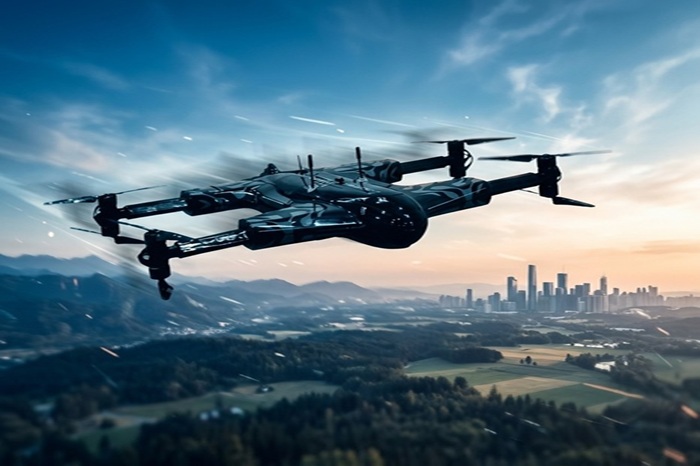
How Fast Can a Drone Fly? The answer depends on the drone type, motor power, battery, weight, wind, and pilot skill. Most everyday camera drones fly much slower than custom racing drones. However, speed is not always the most important feature. For filming, stability matters more. For racing, fast response and control matter most. For beginners, safety should come first. This guide breaks down drone speed in simple terms so you can choose the right drone for work, travel, fun, or FPV flying.
What Determines Drone Speed?
Drone speed depends on how well power, weight, design, and control work together. A drone is not fast just because it has strong motors. It also needs the right frame, propellers, battery, and software.
Most drones use electric motors and propellers to create lift and movement. When the drone tilts forward, part of that lift becomes forward motion. The more thrust it can produce, the faster it can move.
However, every design has limits. A heavy drone needs more power. A wide frame creates more drag. A weak battery may not deliver enough current. As a result, two drones with similar motors can fly at very different speeds.
How Fast Can a Drone Fly Depends on Its Build
A light FPV drone can feel extremely quick because it reacts fast. A large camera drone may have a higher listed top speed, but it often feels slower because it is built for smooth footage.
The main build factors include:
- Motor size and efficiency
- Propeller pitch and shape
- Battery voltage and discharge rate
- Frame weight
- Aerodynamics
- Flight controller tuning
- Wind resistance
NASA research on propeller testing shows how propeller design affects thrust, efficiency, and noise, which all influence drone performance. [Authority Source: NASA]
Average Speed of Consumer Drones
Consumer Drone Speed usually ranges from about 20 mph to 60 mph. Entry-level drones often fly at the lower end. Premium camera drones can reach higher speeds in sport mode.
For example, modern DJI drones often include different flight modes. Cine mode moves slowly for smooth video. Normal mode balances control and speed. Sport mode unlocks faster movement but reduces some automated safety features.
DJI’s Mavic 4 Pro specs list a maximum horizontal speed of 25 m/s in sport mode under controlled conditions, which is about 56 mph.
That speed is more than enough for travel videos, real estate shots, landscape filming, and hobby flying. Still, it is not close to racing drone performance.
Here is a simple guide:
- Toy drones: 5–15 mph
- Beginner camera drones: 15–30 mph
- Mid-range consumer drones: 30–45 mph
- Premium consumer drones: 45–60 mph
- FPV drones: 60–100+ mph
- Racing drones: 100–200+ mph
- Custom record drones: 300+ mph
These numbers vary by model, weather, payload, and flight mode.
FPV vs Racing Drones
FPV stands for “first-person view.” The pilot wears goggles or uses a screen to see from the drone’s camera. This makes flying feel more direct and exciting.
FPV Drone Speed is often much higher than standard camera drone speed. That is because FPV drones are built for fast turns, quick acceleration, and manual control.
However, not all FPV drones are racing drones. Some FPV drones are made for cinematic flying. These drones still move fast, but they focus on smooth shots, not pure speed.
Racing drones are different. They are built to complete courses as quickly as possible. Racing Drone Speed can easily pass 100 mph in skilled hands. Custom racing builds can go much faster.
For readers comparing speed categories, this detailed guide on How Fast Can a Drone Fly gives helpful context when choosing between camera drones, FPV drones, and racing drones.
Factors That Affect Flight Speed
Many people look only at top speed. However, real-world performance depends on several practical factors.
1. Battery Power
A strong battery gives the drone enough current to push the motors hard. Higher-voltage batteries can increase speed, but they also add heat and stress.
In racing drones, pilots often choose batteries based on discharge rate. A weak battery may sag under load, which reduces speed and control.
2. Drone Weight
Lighter drones accelerate faster. They also use less power to stay in the air. However, very light drones can struggle in wind.
A heavier drone may be stable for filming, but it needs more thrust to move quickly. That is why camera drones and racing drones feel so different.
3. Propeller Design
Propellers affect lift, grip, noise, and top speed. A higher-pitch propeller can move more air, but it may require stronger motors and batteries.
Poor propeller choice can make a drone slow, unstable, or inefficient. Therefore, pilots should use propellers recommended by the manufacturer unless they understand tuning.
4. Wind and Weather
Wind can help or hurt speed. A strong tailwind may increase ground speed. A headwind does the opposite.
However, flying too fast in wind can be risky. The drone may drift, lose battery quickly, or struggle to return home.
5. Flight Mode
Most consumer drones limit speed in normal modes. These limits help protect beginners and improve safety.
Sport mode usually increases speed. Yet it may reduce obstacle avoidance or increase stopping distance. So, pilots should use it only in open areas.
6. Payload
Extra weight slows a drone. This includes cameras, lights, sensors, prop guards, or delivery items.
A drone carrying a payload needs more power to fly. As a result, battery life drops and speed falls.
Legal Speed and Safety Considerations
Speed is exciting, but drone flying comes with responsibility. In the United States, FAA Part 107 rules limit small unmanned aircraft to a groundspeed of 87 knots, or 100 mph, for covered operations. [Authority Source: FAA]
Rules differ by country, so pilots should check local aviation laws before flying. In South Africa and other regions, drone pilots may also need to follow registration, privacy, and airspace rules.
Fast drones need more space to stop. They can also cause serious injury or property damage. Therefore, pilots should follow basic safety habits:
- Fly in open areas
- Keep the drone in sight when required
- Avoid people, roads, and buildings
- Check battery level often
- Do not fly in strong wind
- Practice slowly before using sport mode
- Respect local airspace rules
Speed should never come before control.
Choosing the Right Drone for Your Needs
The best drone is not always the fastest drone. Instead, choose based on how you plan to use it.
For Beginners
Start with a stable consumer drone. Look for GPS, return-to-home, propeller guards, and beginner mode. A speed of 20–30 mph is enough while learning.
For Content Creators
Choose a camera drone with strong image quality, smooth gimbal control, and reliable flight time. Consumer Drone Speed matters, but stable video matters more.
A drone that flies 40–55 mph can track moving subjects, capture landscapes, and handle outdoor shoots well.
For FPV Fun
Choose an FPV drone if you want speed, sharp turns, and a more immersive flying experience. Start with a simulator before flying in real life.
FPV drones can be harder to control. However, they offer a thrilling experience once you learn the basics.
For Racing
Choose a racing drone only if you are ready to learn manual control, repairs, tuning, and safety rules. Racing Drone Speed is impressive, but crashes happen often.
Racing pilots usually build, repair, and tune their drones regularly. So, this category suits hands-on users.
What Is the Fastest Drone in the World?
The Fastest Drone in the World changes as builders test new designs. Guinness World Records recognized the Peregreen 2 as the fastest ground speed by a battery-powered remote-controlled quadcopter in 2024.
More recently, reports said the Peregreen V4 reached about 408 mph, showing how quickly custom drone engineering is advancing.
However, record drones are not normal consumer products. They use custom parts, expert tuning, and controlled test conditions. Most buyers should focus on safe, reliable performance rather than record speed.
Frequently Asked Questions
How fast can a normal drone fly?
A normal consumer drone usually flies between 20 mph and 60 mph. Beginner drones are slower, while premium camera drones can reach higher speeds in sport mode.
What is the average Drone Speed for beginners?
Beginner Drone Speed is often around 10 mph to 30 mph. This range gives new pilots enough control without making the drone hard to manage.
Is FPV Drone Speed faster than camera drone speed?
Yes, FPV Drone Speed is usually faster. FPV drones are lighter, more agile, and designed for quick movement. Camera drones focus more on smooth filming.
How fast can racing drones fly?
Many racing drones can fly faster than 100 mph. Custom builds can go much faster, but they need expert skill and safe flying areas.
Should I buy the fastest drone available?
Not always. Speed is useful, but camera quality, safety features, battery life, range, and ease of use often matter more for most buyers.
Conclusion
So, How Fast Can a Drone Fly? Most consumer drones fly between 20 mph and 60 mph, while FPV and racing drones can go much faster. Custom record drones can reach extreme speeds, but they are not built for everyday users.
Before buying, think about your goal. Choose a stable drone for filming, an FPV drone for excitement, or a racing drone for competition. Also, check local rules, practice in open spaces, and never chase speed before control.
The smartest choice is not always the fastest drone. It is the drone that matches your skill, budget, and purpose.























Leave a Reply