

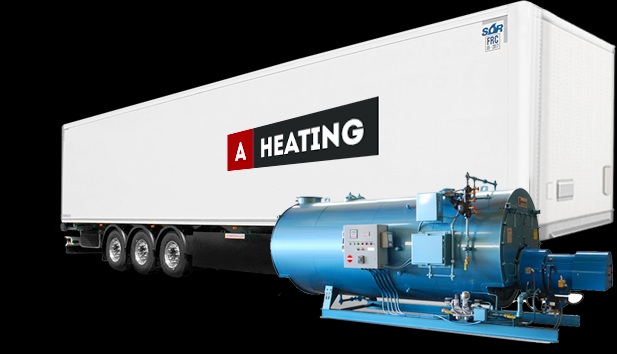
Here’s what happens when your steam system breaks down unexpectedly in the middle of production. Manufacturing stops completely. Critical processes halt. Revenue disappears. The financial impact starts immediately and gets worse every hour that passes. This is exactly why temporary steam exists as a solution for industrial businesses everywhere. The concept is straightforward. When you need steam production quickly and don’t want to invest massive amounts buying equipment, temporary steam provides the answer. A temporary steam provider delivers equipment to your location, gets it installed properly, and you’re back producing.
The beauty of temporary steam is that you’re not locked into owning expensive specialized equipment you might only need temporarily. Whether your regular steam system is being serviced, replaced, or has failed completely, temporary steam keeps your operations running smoothly. The flexibility that temporary steam offers makes it the go-to solution for countless industries. Food processing plants depend on temporary steam when their main systems are down. Pharmaceutical companies use temporary steam to maintain sterilization capabilities. For any business that can’t afford extended downtime, temporary steam is genuinely essential.
Why Temporary Steam Is Better Than Ownership And Traditional Solutions
When you’re dealing with industrial operations that require steam production, standard heating won’t work. Temporary steam is specifically engineered for operations that depend on steam power for their production processes. Manufacturing facilities need temporary steam for their specific industrial applications constantly. Textile manufacturers need temporary steam for fabric treatment and processing. Chemical processing facilities need temporary steam for various reactions and processes. Pharmaceutical production requires temporary steam for critical sterilization procedures. The demands of steam production are completely different from standard heating needs entirely. Temporary steam equipment needs to handle high pressure and produce consistent steam output continuously.
The equipment is far more specialized than what a temporary boiler rental might offer. When you rent temporary steam from specialized providers, you’re getting machinery engineered specifically for steam generation at industrial scale. The efficiency and reliability of temporary steam equipment means your operations can continue at full capacity without interruption. Providers that focus on temporary steam understand industrial requirements intimately. They don’t just deliver equipment. They ensure temporary steam is properly sized for your exact production needs. They make sure everything is installed correctly and safely. They provide technical support if issues develop during the rental period.
How Temporary Steam Saves Money Compared To Equipment Ownership

The financial logic of renting temporary steam is straightforward when you think about it carefully. Buying temporary steam equipment costs hundreds of thousands of dollars or significantly more. You’re responsible for ongoing maintenance, repairs, insurance, and eventual disposal. You’re carrying an asset on your balance sheet. You’re dealing with replacement costs when equipment wears out over time. Compare that to renting temporary steam. You pay a rental fee for the time you need equipment. The temporary steam provider handles all maintenance and repairs.
The provider handles insurance coverage. You don’t have storage responsibilities or disposal concerns. For many businesses, temporary steam costs way less than purchasing equipment outright. Even when you need a temporary boiler rental for extended periods, the financial math often works out better than ownership. You avoid the massive capital expenditure completely. You avoid long-term maintenance costs that add up significantly. You get flexibility to adjust as your needs shift over time. When comparing ownership versus temporary steam rental, rental makes financial sense for virtually all operations.
What Happens When You Need Temporary Steam In An Emergency Situation
The emergency scenario is actually what temporary steam was created to address effectively. Your steam system fails on a Monday morning unexpectedly. You call a temporary steam provider and explain your urgent situation clearly. They assess what you actually need immediately. They move quickly to get equipment to your location fast. Within hours or the next day, you have temporary steam running and producing steam. Your operations restart and continue normally. The speed of temporary steam response is one of its biggest advantages for businesses. Because providers keep temporary steam equipment on hand specifically for emergencies, they can deploy units extremely fast.
They understand that every hour of downtime costs you significant money. Temporary steam providers always prioritize speed in emergency situations. When you need temporary boiler rental in an emergency, the process is similar. The commitment to speed means quality providers can have equipment at your facility within a day. The reliability of temporary steam companies in these critical moments is what makes them genuinely indispensable. Industrial operations know that temporary steam availability has literally saved their businesses.
Understanding The Technical Requirements For Temporary Steam Equipment
The equipment that temporary steam providers deliver varies significantly based on your actual needs. Small temporary steam units might serve one production line or facility section. Large temporary steam systems can handle entire manufacturing complexes. Temporary steam providers help you figure out what size and capacity you really need. Getting the right temporary steam unit matters for both efficiency and cost management. Oversizing your temporary steam means paying for capacity you don’t use. Undersizing your temporary steam means you can’t meet production needs adequately. Experienced providers help you get temporary steam sizing exactly right.
A temporary boiler rental for standard heating requires different calculations than temporary steam. Temporary steam equipment needs to produce the right pressure and volume for your specific process. Too little steam means production slowdowns and delays. Too much capacity means wasted money on unused capacity. Professional providers have engineers who assess your requirements thoroughly and recommend the right temporary steam equipment. The installation of temporary steam requires proper connection to existing systems safely. Professional companies ensure everything is installed correctly and safely throughout the entire process.
Choosing The Right Temporary Steam Provider For Your Operations

When you’re looking for temporary steam solutions, you need a provider you can genuinely trust. Ask about their equipment age and maintenance schedules regularly. Ask about their response times for emergency situations specifically. Ask about their availability in your geographic area. Ask what happens if their temporary steam unit fails while you’re using it. Good providers will have clear answers to all these important questions. They’ll be transparent about their equipment and their actual capabilities. Ask detailed questions about their temporary steam experience. Ask about their experience with your particular industry. Ask about the types of temporary steam equipment they have available. Ask about pressure ratings and steam output capacity specifications. Ask about technical support availability around the clock.
A quality temporary steam provider will be eager to discuss their expertise. You want a temporary steam partner who understands your business. You want a company that prioritizes your actual needs above everything else. You want equipment that’s well-maintained and reliable. Take time to evaluate temporary steam options before you’re in an emergency. Once you’ve identified good providers offering temporary steam, build that relationship. When you need help in an emergency, you’ll already have someone you trust completely.
Conclusion
When temporary steam becomes necessary for your operations, having the right partner makes all the difference. A Heating Inc represents the kind of temporary steam provider that understands what industrial businesses actually need. The commitment to reliable temporary steam equipment, fast response times, and professional service makes A Heating Inc the choice when emergencies happen. Whether you need temporary steam for maintenance periods or emergency situations, A Heating Inc has the expertise and equipment. The company also offers temporary boiler rental solutions for facilities needing standard heating backup. The investment in working with quality temporary steam providers pays back immediately through avoiding costly downtime. A Heating Inc’s approach to temporary steam service demonstrates the standard that all businesses should expect.
FAQ
Q1. How quickly can temporary steam equipment be delivered to my location?
Most temporary steam providers can deliver equipment within 24 hours for emergencies. Some temporary steam companies can dispatch units the same day depending on location and availability in your area.
Q2. What size temporary steam unit do I need for my operation?
A temporary steam provider will assess your production needs and recommend the right temporary steam equipment size for your specific operations and requirements.
Q3. How much does temporary steam typically cost?
Temporary steam pricing varies based on equipment size, rental duration, and location. Get quotes from multiple providers to compare temporary steam costs for your needs.
Q4. Can I rent temporary steam equipment for short periods?
Yes, temporary steam companies offer flexible rental periods from days to months based on your specific needs and situation with no long-term commitment required.
Q5. What makes temporary steam different from a temporary boiler rental?
Temporary steam is specialized equipment for industrial steam production while temporary boiler rental provides basic heating and hot water for standard facility needs.
















Leave a Reply