

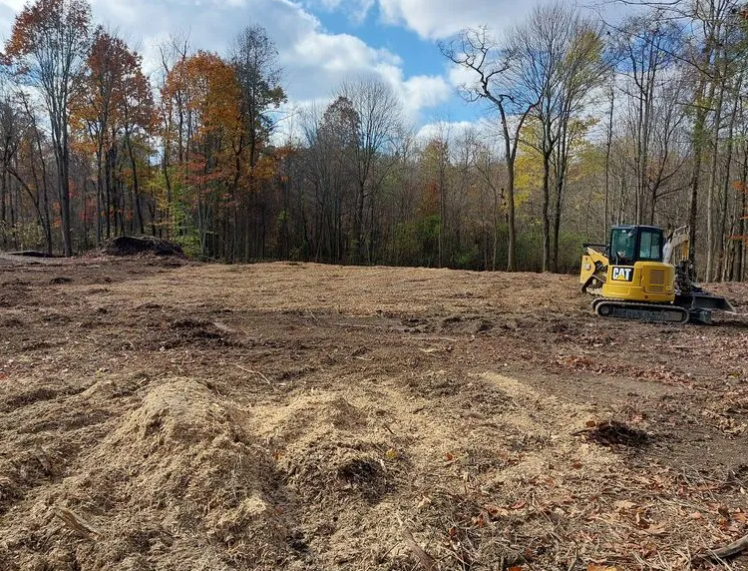
Clearing and excavation are commonly grouped as one, but they‘re actually two distinct tasks. When you have a residential lot covered with brush, saplings, vines, logs, or anything else that wasn‘t supposed to be there, clearing is generally the first step.
A professional brush clearing service close to me will be able to do that dirty first phase without making the entire property a construction site. With regard to the lot, clearing could require cutting away brush, extracting stumps, carting off debris, and clearing overgrown and uncared-for land. It sounds simple. It‘s not always.
What Residential Excavation Actually Involves
Excavation is not just about clearing away plant growth. It is about the excavation of soil and earth to alter the shape, height or consistency of land. This might involve digging for a foundation, creating a watercourse, draining, grading a garden or pad, or cutting and filling to make a building site.
This is where you find yourself Googling for residential excavation contractors near me. Because excavation is about finding the proper tools, and more crucially, about understanding soil, slopes, drainage and the relationship of all to each other. Digging a hole is simple. Digging the correct one without causing an additional issue is an art.
Clearing Removes Obstacles, Excavation Changes the Ground
The most simple distinction between the two is to examine what each service is trying to achieve. Land clearing essentially clears the land. Excavation on the other hand, alters the earth. It involves digging, removing, cutting, filling, and grading of soil.
Sometimes you need one, sometimes you need both. A wooded residential lot, for instance, may require brush cutting, and tree removal, before excavation equipment can get in there safely. There‘s no sense in trying to dig through that thick undergrowth; it would be a costly effort.

When a Brush Clearing Service Makes More Sense
Not all overgrown properties require excavation. Perhaps your backyard has become a jungle, you‘ve got a vacant lot infested with shrubbery, or the property‘s being overshadowed by trees and foliage that fell during a recent storm. In this cases, land clearing is probably the more appropriate option.
A local brush clearing service in my local area can even get rid of the excess growth whilst keeping the project on target. Surely there is no need to establish large and expensive excavations when the real issue is just plant life. Clearing the land can also increase visibility, access, the visual aesthetic and potential future use.
When You Should Call Residential Excavation Contractors
Excavation. Excavation is the removal of earth material and is needed when the ground has to be worked upon. A house, garage, retaining wall, driveway, drainage system or other structure sometimes has to have earth taken away or moved. Existing earth may also have to be cut and filled to level the ground.
A good residential excavator contractor in my area will not just dig in blindly. They will factor in the drainage of water, whether the soil can handle the project, how much material has to be carted away, and where to put the dirt. Those things matter. An improperly graded property can be a disaster once the last foot of dirt is moved.
Many Residential Projects Need Both Services
This is where it gets fun. Clearing is often closely linked with excavation on the same home lot. For instance, think about purchasing a lot with big woods to build on. Well, the vegetation must be removed first. Trees and brush clearing, stump removal and access:
From that point, the actual excavation can start. The building site might need to be levelled, the driveway levelled and established, or trenches dug for drainage or water supply. In that case, clearing is preparing the land, while excavation is preparing the ground.
Why Doing the Work in the Right Order Matters
Sequence is more important than many homeowners realize. Clearing first usually provides the equipment with some maneuverability and enables the contractor to view the existing surface conditions. Without the overstory, existing slopes, low spots, drainage problems, rocks and debris are much more apparent.
That s not to say however that every project is going to follow the same sequence. Conditions on a site will always be different. For this reason, getting a property pre-graded can save a lot of unnecessary labor and damage. For example, it isn‘t much use putting in the roads when you know there is going to be a lot more clearing and drainage work needed later on.

Equipment and Experience Make a Difference
Land clearing may require brush cutters, forestry equipment, knives, stump grinders, loaders, or hauling equipment. Excavation may require excavators, skid steers, compactors, grading equipment, and many other pieces of dirt movers. The type of machinery is very specific to the property and the work shown.
Experience is just as important. Someone working on a tiny residential lot needs to be cautious of existing landscaping, fences, septic systems, utilities, driveways, and the house next door. Heavy equipment does not have the luxury of being careless.
How to Decide Which Service You Need
Begin with the real problem, not the name of the equipment. If trees or plants are preventing access or rendering the property unfit for use, most likely what you want is clearing. If you can gain entry but require leveling, moving soil, or preparing the ground for building, it would rather be excavation.
And if you’re not sure, that’s okay too. A good contractor can visit the site and explain what work needs to be completed. Searching for residential excavation contractors near me or a brush clearing service near me is just the first step. The most critical thing is to find someone who understands the entire property, not just a small part of it.
FAQs
Is land clearing the same as excavation?
No. land clearing is related to the clearing of vegetation, trees, stumps, brush and debris. Excavation is related to the removal of materials by excavating, digging, spreading or reshaping of soil
Can land clearing and excavation be done together?
Yes, quite common. Most residential construction projects involve both. Clearing generally precedes excavation/grading for the purpose of providing access and removing trees/brush that would be in the way.
Do I need excavation after brush clearing?
Not necessarily. If all you want is to improve a neglected landscape, then removal may be sufficient. However, if you want to develop the land by constructing buildings, installing drainage, or shaping the lot‘s grade, you‘ll likely require excavation.
How do I find residential excavation contractors near me?
Seek a qualified local contractor experienced in residential grading, trenching, site clearing, and earthwork. Inquire about his experience with what similar sites and have the site evaluated prior to beginning work.
What does a brush clearing service near me usually remove?
A clearing contractor can clear away thick bushes, trees, vines, fallen branches, logs and stumps and other unwanted plants or rubbish, according to the requirements of the project.
Who can help determine what my property needs?
A local expert contractor should be able to evaluate the property and tell you if clearing, excavation, grading, or some combo thereof. In the long run, this investment up front will pay off.
If your land is oversized, uneven, hard to access or just not ready for the next stage, don‘t risk guessing as to what needs to be done. Come to Giles Outdoor Masters to begin, talk about your land and get the right work planned straight away.















Leave a Reply