

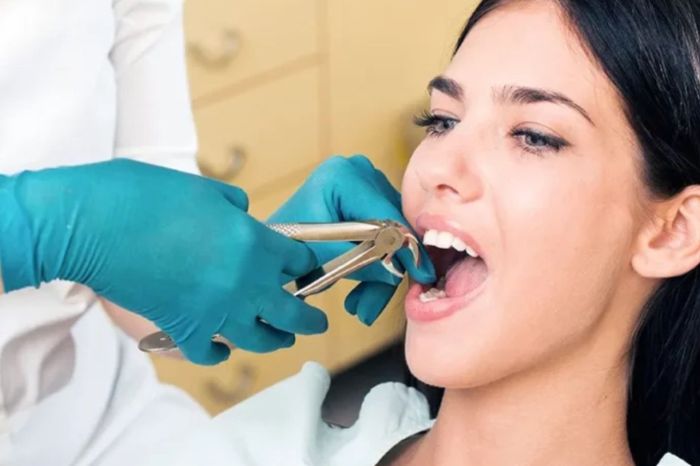
Wisdom teeth extraction is one of the most common oral surgery procedures performed today. Whether your wisdom teeth were impacted, causing pain, or creating potential oral health concerns, proper aftercare is essential for a smooth and successful recovery. While most patients heal without complications, following your dentist’s instructions can significantly reduce discomfort and help speed up the healing process.
At Art Family Dental, we want every patient to feel confident about their recovery after wisdom tooth removal. Understanding what to expect and how to care for your mouth during the healing period can make a big difference in your overall experience.
What to Expect After Wisdom Teeth Extraction
After your procedure, it’s normal to experience some temporary side effects as your body begins healing.
Common symptoms include:
- Mild to moderate discomfort
- Swelling around the cheeks and jaw
- Minor bleeding
- Jaw stiffness
- Tenderness at the extraction sites
These symptoms are generally most noticeable during the first few days and gradually improve as healing progresses.
Tip #1: Rest and Take It Easy
The first 24 to 48 hours after surgery are especially important for recovery.
Patients should:
- Get plenty of rest
- Avoid strenuous activities
- Limit heavy lifting and exercise
- Keep their head elevated when resting
Physical activity can increase blood flow and may cause additional bleeding or swelling during the early stages of healing.
Tip #2: Control Bleeding Properly
Some light bleeding is normal immediately after extraction.
To help control bleeding:
- Bite gently on the gauze provided by your dentist.
- Replace gauze as instructed.
- Avoid excessive spitting.
- Keep your head elevated.
If bleeding continues heavily or persists longer than expected, contact your dental provider for guidance.
Tip #3: Use Ice Packs to Reduce Swelling
Swelling is a normal part of the healing process.
Applying a cold compress or ice pack to the outside of your face can help minimize inflammation and discomfort.
A common recommendation is:
- Apply ice for 15–20 minutes.
- Remove for 15–20 minutes.
- Repeat during the first 24 hours.
Many patients notice significant improvement in swelling after the first few days.
Tip #4: Take Medications as Directed
Your dentist may recommend or prescribe medications to help manage discomfort and support healing.
These may include:
- Pain relievers
- Anti-inflammatory medications
- Antibiotics when necessary
Always follow dosage instructions carefully and avoid taking medications beyond the recommended amounts.
Tip #5: Stick to Soft Foods
Choosing the right foods can help protect the extraction sites while promoting healing.
Good options include:
- Yogurt
- Applesauce
- Mashed potatoes
- Smoothies
- Scrambled eggs
- Oatmeal
- Soup (lukewarm, not hot)
Soft foods reduce irritation and make eating more comfortable during the early recovery period.
Tip #6: Avoid Certain Foods and Drinks
Some foods can interfere with healing or irritate the extraction area.
Avoid:
- Crunchy foods
- Nuts and seeds
- Chips
- Sticky foods
- Spicy foods
- Extremely hot beverages
Small food particles can become trapped in the extraction sites and increase the risk of irritation or infection.
Tip #7: Do Not Use Straws
One of the most important recovery instructions is avoiding straws.
The suction created while drinking through a straw can dislodge the blood clot that forms in the extraction socket.
When this clot is lost prematurely, a painful condition known as dry socket may develop.
To protect the healing site:
- Drink directly from a cup.
- Avoid sucking motions.
- Follow all post-operative instructions carefully.
Tip #8: Practice Gentle Oral Hygiene
Keeping your mouth clean is important, but extra care is necessary after surgery.
During the first day:
- Avoid vigorous rinsing.
- Brush carefully around surgical areas.
After the first 24 hours:
- Rinse gently with warm salt water if recommended by your dentist.
- Continue brushing while avoiding direct irritation to the extraction sites.
Proper oral hygiene helps reduce bacteria and supports healing.
Tip #9: Avoid Smoking and Tobacco Products
Smoking can significantly delay healing and increase the risk of complications.
Tobacco use may contribute to:
- Dry socket
- Infection
- Delayed tissue repair
- Increased discomfort
Patients are strongly encouraged to avoid smoking during recovery and ideally beyond the healing period.
Tip #10: Watch for Signs of Complications
While most recoveries proceed smoothly, it’s important to monitor for unusual symptoms.
Contact your dentist if you experience:
- Severe or worsening pain
- Excessive bleeding
- Persistent swelling
- Fever
- Difficulty swallowing
- Signs of infection
- Foul taste or odor from the extraction site
Early treatment can help prevent more serious complications.
Understanding Dry Socket
Dry socket is one of the most common complications following tooth extraction.
It occurs when the protective blood clot becomes dislodged before healing is complete.
Symptoms may include:
- Intense pain several days after extraction
- Visible empty socket
- Bad breath
- Pain radiating to the ear or jaw
Following your dentist’s recovery instructions greatly reduces the risk of dry socket.
How Long Does Recovery Take?
Recovery times vary depending on the complexity of the extraction and individual healing factors.
General timelines include:
- Initial healing: 1–2 weeks
- Swelling improvement: 2–4 days
- Return to normal activities: Several days for most patients
- Complete bone healing: Several months
Most patients notice significant improvement within the first week after surgery.
Benefits of Following Proper Aftercare
Good post-operative care can:
- Reduce discomfort
- Minimize swelling
- Lower the risk of infection
- Prevent dry socket
- Promote faster healing
- Improve overall recovery outcomes
Taking recovery seriously helps ensure the best possible results after wisdom tooth removal.
Nutrition and Hydration During Recovery
Proper nutrition plays an important role in helping your body heal after wisdom teeth extraction. While your mouth may be sensitive for several days, it is still important to consume enough nutrients to support tissue repair and maintain your energy levels.
During the first few days after surgery, focus on soft, easy-to-chew foods that require minimal effort. Foods rich in vitamins, minerals, and protein can help accelerate healing and reduce recovery time.
Some excellent choices include:
- Greek yogurt
- Cottage cheese
- Smooth mashed vegetables
- Protein shakes
- Soft pasta
- Avocados
- Bananas
- Pudding
- Blended soups
Protein is especially important because it helps rebuild tissues and supports the body’s natural healing processes. Including soft protein-rich foods in your diet can contribute to a smoother recovery.
Hydration is equally important. Drinking plenty of water helps maintain healthy circulation, supports healing, and prevents dehydration. However, remember to avoid using straws, as the suction can disturb the blood clot and increase the risk of dry socket.
Managing Swelling and Bruising
While swelling is a normal part of the healing process, some patients may also experience mild bruising around the cheeks or jawline. This is especially common after the removal of impacted wisdom teeth.
Swelling usually reaches its peak within 48 to 72 hours after surgery and then gradually begins to subside.
In addition to using ice packs during the first day, patients can often benefit from switching to warm compresses after the initial swelling period. Warm compresses may help improve circulation and encourage the body to absorb excess fluid more efficiently.
Keeping your head elevated while sleeping can also reduce swelling and improve comfort. Using an extra pillow for the first few nights is often recommended.
Returning to Work, School, and Exercise
One of the most common questions patients ask is when they can return to their normal routine.
The answer depends on several factors, including:
- The complexity of the extraction
- The number of teeth removed
- Individual healing response
- Type of anesthesia used
Many patients feel comfortable returning to school or office work within a few days. However, physically demanding activities should typically be postponed until your dentist confirms it is safe to resume them.
Strenuous exercise can increase blood pressure and interfere with healing during the early recovery period. Taking a short break from intense workouts helps reduce the risk of bleeding and other complications.
Follow-Up Appointments Matter
Even if your recovery appears to be progressing normally, attending any recommended follow-up appointments is important.
During these visits, your dentist can:
- Evaluate the healing process
- Check for signs of infection
- Remove stitches if necessary
- Address any concerns or discomfort
- Provide additional recovery guidance
Routine follow-up care helps ensure that healing is progressing as expected and allows any potential issues to be addressed early.
Long-Term Benefits of Wisdom Teeth Removal
Although recovery requires some temporary adjustments, the long-term benefits of wisdom teeth extraction often outweigh the short-term inconvenience.
Removing problematic wisdom teeth can help:
- Prevent future infections
- Reduce overcrowding
- Protect neighboring teeth
- Eliminate recurring pain
- Improve oral hygiene access
- Lower the risk of cysts and other complications
By following proper aftercare instructions and giving your body time to heal, you can enjoy a smoother recovery and protect your oral health for years to come. Most patients find that once healing is complete, they experience improved comfort and peace of mind knowing their wisdom teeth are no longer causing potential dental problems.
Conclusion
Recovering from wisdom teeth extraction is typically straightforward when proper aftercare instructions are followed. Rest, soft foods, good oral hygiene, avoiding straws and tobacco, and carefully monitoring symptoms can help support a comfortable and successful healing process.
At Art Family Dental, we are committed to providing comprehensive care before, during, and after wisdom tooth removal. If you have questions about your recovery or are experiencing wisdom tooth symptoms, our team is here to help guide you toward a healthy and comfortable recovery experience.






















Leave a Reply