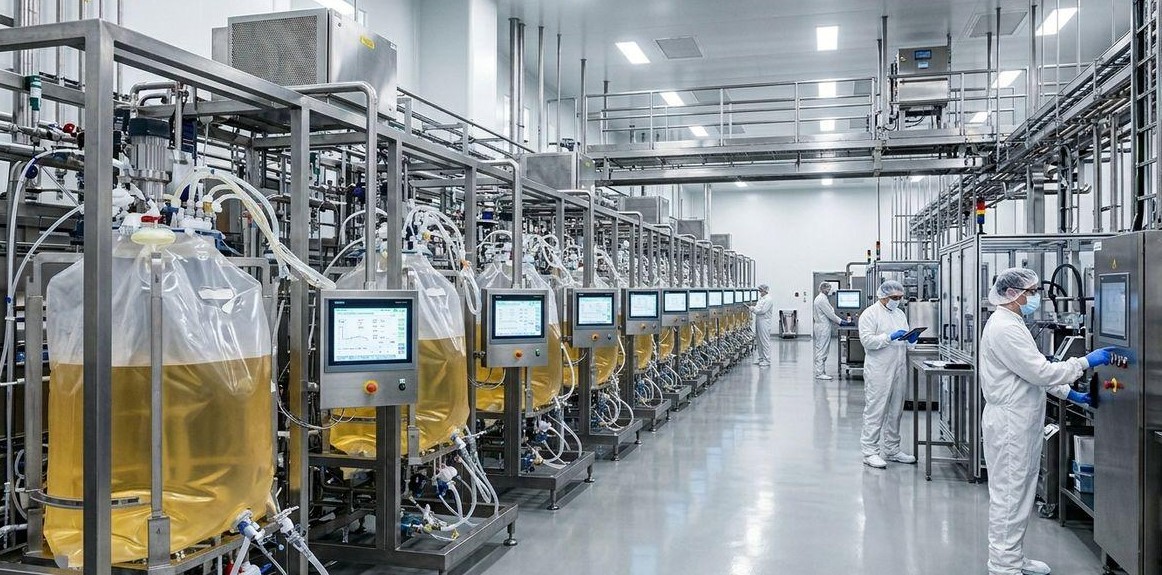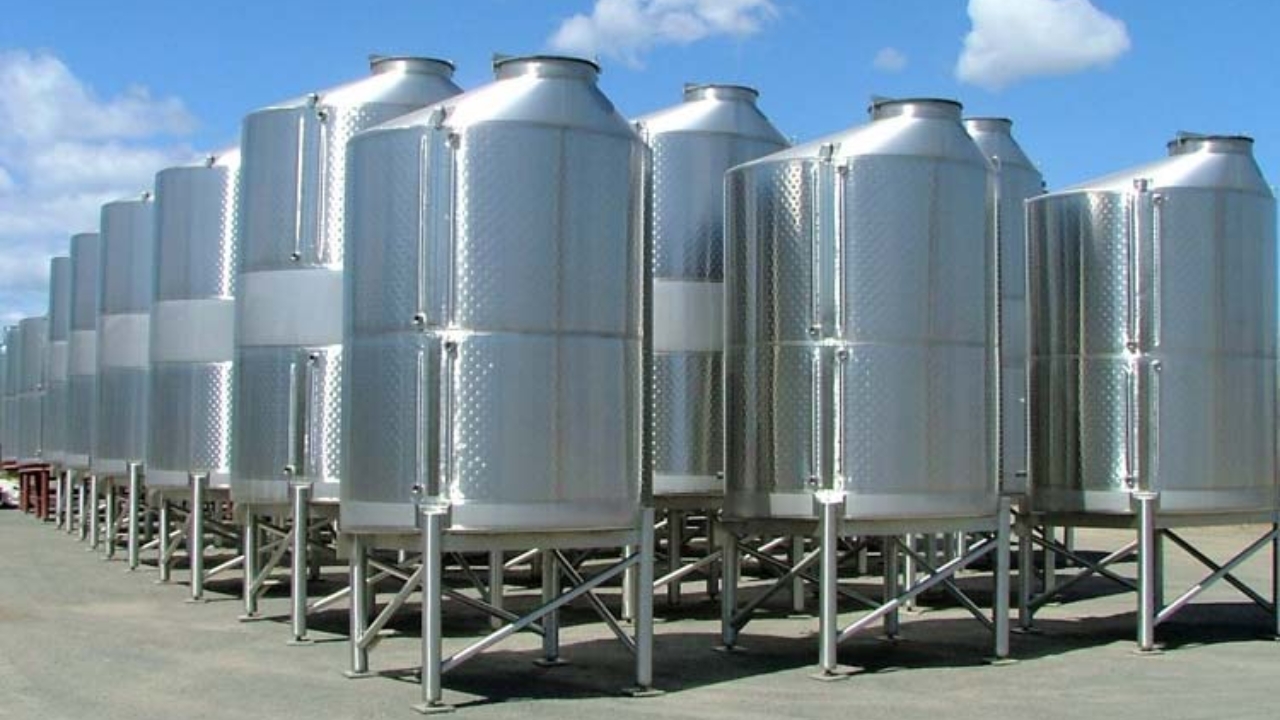
Storage tanks play a critical role in a wide range of industries, including food processing, pharmaceuticals, chemicals, agriculture, water treatment, and manufacturing. Selecting the right tank material can significantly impact product quality, operational efficiency, maintenance costs, and long-term performance.
For many years, conventional carbon steel tanks were widely used across industrial sectors. However, with increasing demands for durability, hygiene, and corrosion resistance, businesses are now shifting toward SS Tank solutions. Stainless steel tanks have become the preferred choice for organizations seeking reliable and long-lasting storage systems.
This article explores why industries increasingly choose stainless steel over traditional Steel Tank options and the benefits that make stainless steel a superior investment.
Understanding the Difference Between Stainless Steel and Traditional Steel
Before comparing the two options, it is important to understand how they differ.
A traditional Steel Tank is generally manufactured from carbon steel, which offers strength and affordability but is more vulnerable to corrosion and rust over time.
An SS Tank, on the other hand, is manufactured using stainless steel alloys that contain chromium and other elements designed to resist corrosion and environmental damage.
This fundamental difference significantly affects performance, maintenance requirements, and service life.
Superior Corrosion Resistance
One of the biggest reasons industries prefer an SS Tank is its excellent resistance to corrosion.
Traditional steel tanks are highly susceptible to:
- Rust formation
- Moisture damage
- Chemical reactions
- Environmental degradation
When corrosion develops inside a Steel Tank, it can contaminate stored materials and weaken the tank structure.
Stainless steel naturally forms a protective oxide layer that shields the surface from corrosion. This protection makes stainless steel tanks ideal for demanding industrial environments where exposure to moisture, chemicals, or harsh conditions is common.
Longer Service Life
Industrial equipment is a long-term investment, and durability is a major consideration when selecting storage solutions.
An SS Tank typically offers a significantly longer lifespan than a conventional Steel Tank.
Because stainless steel resists:
- Corrosion
- Cracking
- Surface deterioration
- Environmental wear
businesses can use these tanks for many years with minimal structural issues.
While traditional steel tanks may require replacement or extensive repairs over time, stainless steel tanks often continue performing efficiently for decades when properly maintained.
Better Hygiene Standards
Industries that handle food, beverages, pharmaceuticals, and sensitive products require strict hygiene standards.
An SS Tank provides a smooth, non-porous surface that prevents contamination and makes cleaning easier.
Key hygiene benefits include:
- Reduced bacterial growth
- Easy sanitization
- Better product protection
- Compliance with industry regulations
In contrast, corrosion and surface degradation inside a Steel Tank can create areas where contaminants accumulate, making sanitation more challenging.
This is one of the primary reasons food and pharmaceutical industries overwhelmingly prefer stainless steel storage systems.
Lower Maintenance Requirements
Maintenance costs can have a major impact on operating expenses.
Traditional steel tanks often require:
- Protective coatings
- Rust treatment
- Frequent inspections
- Surface repairs
- Repainting
An SS Tank generally requires much less maintenance because its corrosion-resistant properties reduce the likelihood of surface damage.
As a result, businesses benefit from:
- Lower maintenance costs
- Reduced downtime
- Improved operational efficiency
- Longer intervals between repairs
These advantages contribute to lower overall ownership costs over the life of the tank.
Improved Chemical Resistance
Many industrial facilities store chemicals, acids, solvents, and reactive substances.
An SS Tank offers superior resistance to a wide range of chemicals compared to a standard Steel Tank.
Depending on the application, stainless steel grades such as SS 304 and SS 316 can provide excellent protection against:
- Chemical corrosion
- Oxidation
- Acidic environments
- Industrial contaminants
This makes stainless steel a preferred choice in chemical processing plants and manufacturing facilities.
Enhanced Product Quality Protection
Storage systems should protect the integrity of stored materials.
A corroded Steel Tank can introduce unwanted particles, rust, and contaminants into products, potentially affecting quality and safety.
An SS Tank helps maintain product purity by providing a clean and stable storage environment.
Industries that particularly benefit from this include:
- Food processing
- Dairy production
- Beverage manufacturing
- Pharmaceutical production
- Cosmetic manufacturing
Protecting product quality is essential for maintaining customer trust and meeting regulatory standards.
Better Temperature Resistance
Many industrial applications involve high-temperature processes or temperature-sensitive materials.
Stainless steel performs exceptionally well under varying temperature conditions.
An SS Tank can withstand:
- High operating temperatures
- Thermal cycling
- Extreme processing environments
Traditional steel may experience faster degradation when exposed to challenging temperature conditions over long periods.
This makes stainless steel a more reliable solution for demanding industrial applications.
Attractive Appearance and Professional Finish
Although functionality is the primary concern, appearance can also be important, particularly in facilities that receive customer visits, audits, or inspections.
An SS Tank offers:
- A clean appearance
- Professional finish
- Modern industrial aesthetics
- Better resistance to staining
Traditional steel tanks often require coatings and paint to maintain an acceptable appearance over time.
The polished finish of stainless steel helps facilities maintain a cleaner and more professional environment.
Environmentally Sustainable Choice
Sustainability has become an important consideration for modern industries.
An SS Tank supports environmental goals because stainless steel is highly recyclable and has a long service life.
Benefits include:
- Reduced waste generation
- Fewer replacements
- Lower resource consumption
- High recyclability
Businesses seeking environmentally responsible solutions often view stainless steel as a more sustainable alternative to traditional steel.
Strong Long-Term Return on Investment
While the initial cost of an SS Tank may be higher than a standard Steel Tank, the long-term financial benefits are often substantial.
Businesses can save money through:
- Reduced maintenance expenses
- Longer equipment lifespan
- Lower repair costs
- Improved product protection
- Reduced downtime
When evaluated over many years of operation, stainless steel tanks frequently provide a better overall return on investment.
Industries That Commonly Use Stainless Steel Tanks
Today, stainless steel tanks are widely used in:
- Food processing plants
- Dairy facilities
- Beverage manufacturing units
- Pharmaceutical companies
- Chemical processing plants
- Cosmetic manufacturing facilities
- Water treatment systems
- Industrial production facilities
Their versatility and reliability make them suitable for both small-scale and large-scale operations.
Conclusion
As industries continue to prioritize durability, hygiene, efficiency, and long-term value, the demand for stainless steel storage solutions continues to grow. Compared to a traditional Steel Tank, an SS Tank offers superior corrosion resistance, longer service life, easier maintenance, enhanced product protection, and better overall performance.
Although the upfront investment may be higher, the long-term operational and financial benefits make stainless steel tanks a smart choice for modern industrial applications. For businesses seeking reliable storage solutions that deliver consistent performance and lasting value, stainless steel remains the preferred material across numerous industries.