

Key Takeaways
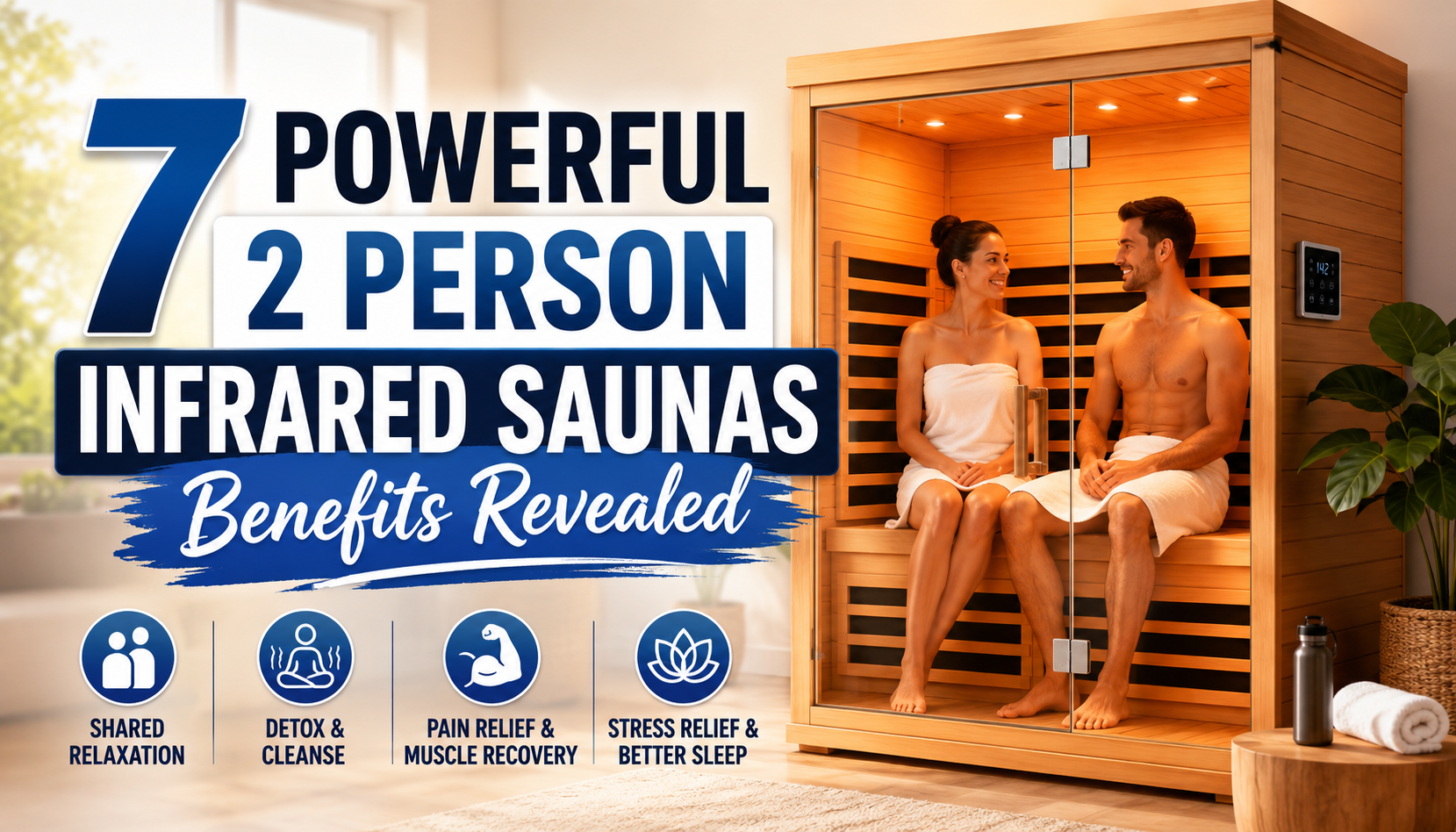
- A two person infrared sauna gives homes a calm wellness space for shared relaxation, light recovery, and quiet routines.
- Infrared heat warms the body more directly than a steam room, so many users find the heat gentler and easier to handle.
- Healthy sweating can support a fresh, clean feeling, but real detox work still depends mainly on the liver, kidneys, lungs, gut, and skin.
- The best model should match room size, heater quality, safety features, wood type, controls, warranty, and real daily use.
- Far infrared and full spectrum saunas both have value, but the better choice depends on comfort, budget, heat feel, and recovery goals.
Introduction
Home wellness has moved far beyond a yoga mat in the corner. Many households now want a simple, peaceful place where stress can slow down, sore muscles can loosen, and two people can relax without leaving the house.
That is why 2 Person Infrared Saunas have become popular for people who want comfort, privacy, and steady heat in a compact home setup. They offer enough space for a couple, a workout partner, or one person who likes extra room.
This guide explains how infrared saunas work, why they are often linked with detox, relaxation, and pain relief, and what features matter before a buyer chooses one. It also compares full spectrum and far infrared heat in simple language.
In addition, it looks at safety, session length, smart buying tips, and why the HealthSmart 2 Person Infrared Sauna stands out for daily home use. The goal is clear information, not hype.
Benefits of 2 Person Infrared Saunas
A two person infrared sauna is a small home sauna built for one or two users. Instead of heating the air first like a traditional sauna, it uses infrared light to warm the body more directly. The cabin still gets warm, yet the air often feels less harsh.
This difference matters because many people dislike very hot steam rooms. A lower, drier heat can feel easier to sit in. As a result, regular use may feel more realistic for busy adults, active parents, athletes, and older users who want a calmer routine.
The main appeal is simple. A sauna at home removes the trip to a spa or gym. A person can step inside after work, after exercise, or before bed. In many homes, this turns unused space into a private wellness room.
The Best 2 Person Infrared Saunas for Detox, Relaxation, and Pain Relief are not chosen by size alone. They are chosen by how well they fit real life. A good model should heat evenly, feel sturdy, offer easy controls, and support safe sessions.
The shared size adds another layer of value. Couples can use the sauna together as a quiet evening habit. However, a single user can also sit sideways, stretch the legs a little, read, breathe slowly, or enjoy more personal space.
Daily comfort and shared relaxation
The clearest benefit is relaxation. Warmth often helps the body feel less tight. When muscles soften, the mind may also feel calmer. For example, a person who sits at a desk all day may feel neck, back, and shoulder tension ease during a gentle session.
In addition, the enclosed wooden cabin creates a clean break from screens and noise. Phones can stay outside. The light can stay low. The session becomes a small pause, and that pause can help a household build a better self-care rhythm.
Two person use can also support connection. Instead of watching another show, a couple can spend twenty quiet minutes talking, resting, or simply sitting together. This makes the sauna feel less like equipment and more like a home ritual.
Support for circulation and recovery
Heat makes blood vessels open wider. This may help blood move through the body with less resistance. Better blood flow can bring a warm, loose feeling to stiff areas. It can also support normal recovery after exercise.
For example, after a long walk, bike ride, or weight workout, a sauna session may help tired legs feel more relaxed. It does not replace stretching, sleep, food, or medical care. However, it can become one helpful part of a recovery plan.
Many users also like the sweat response. Sweating helps cool the body and can leave the skin feeling fresh. However, sweat loss means water loss. A safe routine includes water before and after the session, especially after exercise.
Home wellness without a crowded spa
A home sauna gives privacy. There are no shared benches, appointment times, or noisy locker rooms. This matters for people who want calm more than luxury. It also helps those who feel uncomfortable using public wellness spaces.
Moreover, regular access may improve consistency. A sauna that sits at home is easier to use two or three times per week than one across town. Consistency is often what turns a purchase into a useful habit.
The best results usually come from simple routines. A person might use the sauna after a workout on Monday, during a quiet evening on Wednesday, and after yard work on Saturday. Small patterns like that are easier to keep than extreme plans.
How Infrared Saunas Support Detox, Relaxation, and Pain Relief
Infrared saunas are often discussed with three big goals: detox, relaxation, and pain relief. These words are common in wellness searches, but they need careful explanation. A sauna can support a healthy routine, yet it should not be treated as a cure.
Detox is the most misunderstood word. The body already has a strong cleaning system. The liver, kidneys, lungs, gut, lymph system, and skin all help manage waste. Sweating can help the body feel lighter and cleaner, but it is not a magic toxin remover.
Are infrared saunas effective for detoxification? A fair answer is that they support sweating, comfort, and healthy habits. However, medical detox is different and belongs under trained care. Good sauna content should make that clear.
Relaxation is easier to understand. Warmth, quiet, and slow breathing can help the nervous system shift away from daily pressure. A person may leave the cabin feeling calmer because the body has been given time to rest.
Pain relief and muscle recovery are also common reasons for sauna use. Can infrared saunas help with pain relief and muscle recovery? Heat may ease stiffness and support blood flow. It may help minor soreness feel better, especially after activity.
However, serious pain needs proper medical advice. Chest pain, sudden weakness, nerve pain, swelling, fever, or injury should not be handled by sauna use alone. The sauna is a support tool, not a doctor.
Healthy sweating and realistic detox claims
Sweat is mostly water, with small amounts of salt and other compounds. During a sauna session, sweating can feel cleansing because the skin becomes warm, damp, and flushed. Many people enjoy that refreshed feeling afterward.
However, the real value may come from the routine around the session. A person drinks water, slows down, breathes deeply, and spends time away from stress. Those choices can support overall wellness even when the detox claim is kept realistic.
For example, a worker who feels sluggish after long screen hours may use a sauna, drink water, take a cool shower, and go to bed earlier. The full routine supports a better night, not just the sweating by itself.
This is similar to other wellness tools. A massage chair may not solve every body ache, yet it can support comfort when used wisely. Readers comparing recovery tools may also find helpful context in this guide on the benefits of a massage chair.
Relaxation, stress, and sleep routines
Stress often shows up in the body first. Tight jaws, raised shoulders, shallow breathing, and restless sleep can all come from daily pressure. An infrared sauna gives the body a warm place to slow down.
A gentle evening session may help some users feel ready for rest. The warming phase is followed by cooling after the session, and that cooling period can feel soothing. In addition, the quiet setting makes it easier to avoid bright screens before bed.
A smart routine should stay simple. A person can use the sauna earlier in the evening, drink water, take a lukewarm shower, and keep the room cool for sleep. Long or very hot sessions late at night may do the opposite and feel too stimulating.
More detail about sauna effects, including comfort and recovery goals, can be explored through a broader guide to the benefits of infrared sauna. That kind of deeper reading helps shoppers compare claims with real expectations.
Pain relief and muscle recovery habits
Heat has been used for comfort for a long time. Warm baths, heating pads, and sauna rooms all follow the same basic idea: gentle heat can help tight tissues relax. Infrared sauna heat may feel deeper than air heat for many users.
A person with normal post-workout soreness may use a sauna to help the body unwind. For example, after a strength training day, the sauna can be paired with stretching and protein-rich food. The result is a complete recovery routine rather than one isolated trick.
People with long-term pain should be more careful. A sauna may help comfort, but chronic pain can have many causes. Medical guidance is important when pain is severe, new, spreading, or linked with numbness.
What to Look for in the Best 2 Person Infrared Sauna
The best two person sauna is not always the most expensive one. It is the one that fits the home, the body, the budget, and the wellness goal. A buyer should look beyond glossy photos and check the details that affect daily use.
Size comes first. A two person sauna should fit the chosen room with space around it for safe access and airflow. Bedrooms, basements, home gyms, and spare rooms can work well when the floor is flat and dry.
Capacity also deserves honest thought. A two person model often fits two seated adults, but it may feel cozy. For one user, it can feel roomy. For two large adults who want extra space, exact dimensions matter more than the capacity label.
Heater quality is another key point. Buyers should check whether the sauna uses carbon panels, ceramic heaters, or a mix. Even heat coverage matters because cold legs or uneven warmth can make sessions less pleasant.
Controls should be simple. Interior and exterior controls let users change heat without stepping out. Clear displays, timer settings, lighting, ventilation, and easy door operation all make the sauna safer and more enjoyable.
Wood choice also matters. Hemlock and cedar are common sauna woods because they handle heat well. A solid cabin should feel stable, smooth, and clean. Poor materials can warp, smell odd, or age too quickly.
Electrical needs should be checked before purchase. Many home infrared saunas use standard household power, but buyers should still review voltage, watts, outlet needs, and room layout. Safe setup begins before delivery day.
Full Spectrum vs Far Infrared Saunas Which Is Better
What is the difference between a full spectrum and far infrared sauna? The answer starts with infrared bands. Far infrared saunas focus on far infrared heat. Full spectrum saunas usually include near, mid, and far infrared.
Far infrared is popular because it gives steady heat and is widely used in home sauna designs. Many people choose it for relaxation, sweating, and regular comfort. It often feels gentle and even.
Full spectrum models aim to offer a wider range of infrared wavelengths. Some buyers like this because it sounds more complete. However, more bands do not automatically mean a better sauna. Heater layout, output, build quality, and comfort still matter.
For simple daily wellness, a well-built far infrared sauna may be enough. For buyers who want a more premium feature set, full spectrum may be attractive. The best choice depends on use goals, heat feel, and trust in the brand.
Temperature is also important. Hotter is not always better. Many users prefer a moderate setting that allows a calm session without dizziness or strain. A detailed guide on the best infrared sauna temperature can help build safer habits.
Why the HealthSmart 2 Person Infrared Sauna Stands Out
The HealthSmart 2 Person Infrared Sauna stands out because it focuses on practical home use. It is designed for people who want a compact sauna that supports relaxation, muscle comfort, and daily wellness without a complex build.
Its two person layout works well for couples, yet it also gives one person extra space. The cabin can fit in many wellness rooms, home gyms, basements, or larger bedrooms. This balance makes it useful for real homes, not only showrooms.
The HealthSmart design also highlights far infrared heat, easy controls, hemlock wood, a tempered glass door, and home-friendly setup. These features matter because a sauna should feel simple after the first week, not like a difficult machine.
Durability and support also count. A warranty, clear specifications, and trusted seller support can reduce stress during a large purchase. Buyers should look for transparent details about power, size, heater type, delivery, assembly, and return terms.
Some shoppers also compare sauna heat with targeted red light tools. For example, a recovery product review such as flexbeam reviews can help readers understand how different wellness devices support different goals.
Buying checklist for a smarter choice
A careful buyer should review the following points before choosing a sauna:
- Room size and ceiling height
- Door swing and delivery path
- Heater type and heater placement
- Temperature range and timer controls
- Wood type and cabin build quality
- Electrical needs and outlet location
- Ventilation and lighting
- Warranty, return policy, and support
- Comfort for one person and two people
- Realistic use schedule each week
This checklist helps prevent regret. A sauna is a long-term home item, so it should match the user’s actual habits. A person who wants quiet recovery three nights per week may need a different model than a couple planning weekend spa time.
Safety should stay part of the buying decision. People with heart disease, unstable blood pressure, pregnancy, recent surgery, heat sensitivity, or certain medicines should ask a healthcare professional before use. Alcohol and sauna heat should not mix.
Placement, care, and long-term value
The right location can make the sauna easier to use. A calm corner near a shower, water bottle station, or workout area often works well. The floor should be level, dry, and strong enough for the cabin weight.
Room comfort also matters. A cold garage may slow warm-up time. A tight closet may trap heat around the unit. A bright, noisy space may feel less relaxing. The best spot supports quiet use and safe movement around the door.
Care is usually simple, but it should not be ignored. A clean towel on the bench helps protect the wood. After each session, the cabin should dry with the door open. Light cleaning keeps sweat, dust, and odor from building up.
Buyers should also think about air quality. Low-odor wood, clear material details, and good ventilation can make sessions more pleasant. People with scent sensitivity may prefer a milder wood smell over a strong aromatic cabin.
Long-term value comes from use, not only features. A sauna used three times per week for years can feel more worthwhile than a luxury model used twice and forgotten. The best purchase is the model that fits normal habits.
A family should also discuss rules before the sauna arrives. Children should not use heat therapy without adult guidance and medical approval when needed. Pets should stay outside the cabin. Food, alcohol, and glass cups should also stay out.
Small details help the experience feel polished. A hook for towels, a nearby hamper, a soft robe, and a water bottle can make the sauna area feel complete. These items are low cost, yet they support repeat use.
A buyer should avoid rushing the decision during a sale. Good questions include where the sauna will go, who will use it, how often sessions will happen, and what health limits may apply. Clear answers reduce costly mistakes.
The most trusted sauna is not the one with the loudest claims. It is the one with clear specs, safe design, steady heat, fair support, and a realistic fit for daily life.
A simple note beside the controls can help. It can list normal session length, water reminders, and cleaning steps. This keeps the routine easy for guests and family members. It also prevents the common habit of staying inside too long just because the timer allows it.
Cost should be viewed in a practical way. A sauna has an upfront price, but it may replace some spa visits and make recovery time easier to plan. However, buyers should still budget for delivery needs, possible floor protection, towels, and basic cleaning supplies. This practical planning turns a large purchase into a calmer, easier, and more useful part of home wellness for years ahead.
How Often Should a 2 Person Infrared Sauna Be Used
How often should a person use a 2 person infrared sauna for the best results? For many healthy adults, two to four sessions per week can be a practical starting point. Beginners may start with shorter sessions and lower heat.
A common beginner plan is ten to fifteen minutes at a comfortable temperature. Over time, some users move toward twenty to thirty minutes. Longer use is not always better, especially when the body feels lightheaded, overly tired, or too hot.
The best schedule depends on the goal. For relaxation, evening use two or three times per week may be enough. For post-workout recovery, sessions may follow harder training days. For general wellness, consistency matters more than intensity.
Hydration is part of the routine. Water before and after the session helps replace fluid lost through sweat. Some people may also need minerals from food, especially after heavy sweating or exercise.
Simple session plan for beginners
A safe first month can look like this:
- Week one: 10 to 12 minutes, low to moderate heat, two sessions
- Week two: 12 to 15 minutes, moderate heat, two sessions
- Week three: 15 to 20 minutes, moderate heat, two or three sessions
- Week four: 20 minutes if comfortable, two or three sessions
This slow approach gives the body time to adapt. The user should leave the sauna if dizziness, nausea, headache, racing heart, or confusion appears. A cool-down period after each session is also important.
Clothing should be light and breathable, or a clean towel can be used based on privacy and comfort. The bench should stay clean. The cabin should be wiped down after use and left open long enough to dry.
Real-life routines that work
A busy parent may use the sauna after children are asleep, keeping the session short and quiet. A runner may use it on recovery days, not right after a hard workout when the body is already very hot. An office worker may use it after stretching to reduce end-of-day tension.
For couples, the sauna can become a shared reset. They may choose one or two evenings each week for a calm session and a screen-free conversation. The key is a routine that feels easy, not forced.
A sauna should support life rather than control it. If a person feels drained, sick, feverish, dehydrated, or overheated, skipping the session is the smarter choice. Rest and water come first.
FAQs
What are the benefits of a 2 person infrared sauna
A 2 person infrared sauna can support relaxation, healthy sweating, light muscle recovery, and a calmer home routine. It also gives enough room for two seated users or one person who wants extra space.
The biggest benefit may be convenience. With a home sauna, a person does not need a spa booking or gym visit. Regular access can make wellness habits easier to keep.
Can infrared saunas help with pain relief and muscle recovery
Infrared sauna heat may help sore muscles feel looser by warming the body and supporting blood flow. This can be helpful after workouts, long workdays, or normal stiffness.
However, it should not be seen as a cure for injury or illness. Serious, sharp, or long-lasting pain needs professional care. The sauna can be part of recovery, but it should not replace medical advice.
Are infrared saunas effective for detoxification
Infrared saunas help the body sweat, and sweating can feel refreshing. However, the liver and kidneys do most of the body’s detox work. A sauna should be described as support for healthy sweating, not as a medical detox treatment.
A safe detox-style routine focuses on water, sleep, good food, movement, and steady self-care. Sauna use can fit into that routine when the person is healthy enough for heat exposure.
What is the difference between a full spectrum and far infrared sauna
A far infrared sauna uses far infrared heat. A full spectrum sauna usually uses near, mid, and far infrared. Far infrared is common in home saunas because it offers steady warmth and simple comfort.
Full spectrum may appeal to buyers who want a wider range of light bands. However, the best sauna still depends on heater quality, cabin design, safety features, and user comfort.
How often should a 2 person infrared sauna be used for best results
Many healthy beginners can start with two short sessions per week. As comfort improves, some may use the sauna two to four times weekly. Sessions often last between ten and thirty minutes.
The right schedule depends on age, health, heat tolerance, and goals. A person should stop early if the heat feels overwhelming. Water, cool-down time, and common sense are part of every good plan.
Conclusion
2 Person Infrared Saunas can be a strong choice for homes that need a simple, calming, and useful wellness space. They bring together warmth, privacy, shared comfort, and routine in a way that fits modern life.
The most important benefit is not only sweat. It is the way a sauna can help people slow down. A warm cabin, quiet breathing, and steady heat can turn a normal evening into a recovery habit.
However, smart expectations matter. Infrared heat may support relaxation, circulation, muscle comfort, and healthy sweating. It should not be marketed as a cure, a fast weight-loss tool, or a medical detox device. Trustworthy wellness advice keeps the benefits clear and the limits honest.
The best two person infrared sauna should match the home and the people using it. Buyers should compare size, heat coverage, wood quality, controls, temperature range, setup needs, warranty, and support. A beautiful sauna that feels cramped or uneven will not build a lasting habit.
Full spectrum and far infrared models both deserve attention. Far infrared often works well for steady daily use. Full spectrum may suit buyers who want a broader feature set. In either case, comfort and build quality matter more than big claims.
The HealthSmart 2 Person Infrared Sauna is worth attention because it is built around real home wellness: shared size, gentle heat, simple controls, attractive wood, and practical setup. It gives users a quiet place to relax after work, recover after movement, or enjoy a peaceful routine together.
A safe routine should start slowly. Shorter sessions, moderate heat, water, and cool-down time are better than pushing too hard. People with medical concerns should ask a qualified health professional before using heat therapy.
For a household ready to build a calmer daily routine, a two person sauna can be more than a product. It can become a small wellness room, a shared pause, and a steady reminder that recovery deserves space. Premium shoppers can explore thoughtful home wellness options through Premium Health Gear.


















Leave a Reply