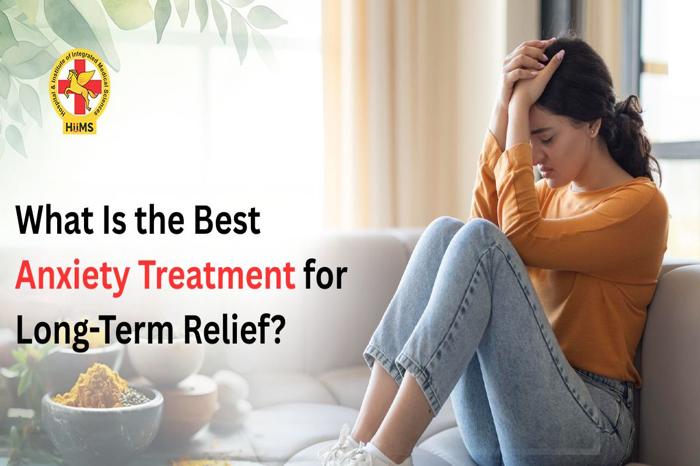
Anxiety is a common mental health concern that can affect people of all ages. While occasional stress is a natural part of life, persistent anxiety may interfere with daily activities, relationships, work, and overall well-being. Many individuals search for long-term solutions that address the root causes of anxiety rather than simply managing temporary symptoms.
A holistic approach that focuses on lifestyle, nutrition, emotional balance, and natural healing can support long-term mental wellness. Jeena Sikho HiiMS believes that sustainable anxiety treatment involves understanding the body’s natural balance and adopting healthy habits that promote overall physical and emotional health.
Understanding Anxiety
Anxiety is more than feeling nervous before an important event. It is a prolonged state of excessive worry, fear, or uneasiness that may continue even when there is no immediate danger. It can influence thoughts, emotions, behaviour, and physical health. When anxiety continues for an extended period, it may affect sleep, concentration, productivity, digestion, and energy levels. Early recognition and appropriate lifestyle modifications can help improve overall quality of life.
Common Symptoms of Anxiety
People may experience anxiety differently. Some of the most common symptoms include:
- Constant worrying
- Restlessness or feeling on edge
- Difficulty concentrating
- Rapid heartbeat
- Muscle tension
- Excessive sweating
- Trouble sleeping
- Fatigue
- Irritability
- Digestive discomfort
If these symptoms persist for weeks or months, professional guidance is recommended to understand the underlying causes and develop an appropriate wellness plan.
What Causes Anxiety?
Anxiety usually develops due to multiple contributing factors rather than a single cause.
1. Chronic Stress
Continuous pressure from work, studies, finances, or family responsibilities can overwhelm the mind and gradually increase anxiety levels.
2. Poor Lifestyle Habits
Irregular sleep, unhealthy eating patterns, excessive screen time, lack of physical activity, and inadequate relaxation can negatively impact mental health.
3. Nutritional Imbalance
Deficiencies in essential nutrients may influence brain function and emotional well-being. A balanced diet plays an important role in maintaining mental health.
4. Emotional Challenges
Past emotional experiences, unresolved conflicts, grief, or ongoing relationship issues may contribute to persistent anxiety.
5. Hormonal Changes
Hormonal fluctuations during different stages of life may influence mood and emotional stability in some individuals.
Why Long-Term Anxiety Treatment Matters?
Temporary relief may not address the underlying lifestyle factors contributing to anxiety treatment. Long-term management focuses on improving overall health, building emotional resilience, and reducing recurring episodes.
A sustainable approach aims to:
- Improve emotional balance
- Enhance sleep quality
- Support healthy digestion
- Increase energy levels
- Promote mental clarity
- Encourage a healthier lifestyle
- Improve overall quality of life
Natural Approaches for Long-Term Anxiety Treatment
Long-term anxiety treatment often involves combining several healthy lifestyle practices.
1. Maintain a Balanced Daily Routine
A consistent routine helps regulate the body’s internal clock and reduces mental exhaustion.
A healthy routine should include:
- Regular sleeping hours
- Timely meals
- Physical activity
- Relaxation time
- Limited screen exposure before bedtime
Small daily habits often produce lasting improvements over time.
2. Follow a Nutrient-Rich Diet
Food significantly influences both physical and mental well-being.
A balanced diet may include:
- Fresh seasonal fruits
- Green leafy vegetables
- Whole grains
- Nuts and seeds
- Fresh homemade meals
- Adequate water intake
Reducing excessive processed foods and sugary beverages may also support overall wellness.
3. Practice Yoga Regularly
Yoga combines gentle movement, controlled breathing, and mindfulness, which may help reduce stress and promote emotional balance.
Regular yoga practice may support:
- Better concentration
- Improved flexibility
- Relaxation
- Enhanced sleep
- Emotional stability
Consistency is more important than intensity.
4. Include Meditation in Daily Life
Meditation encourages awareness and helps calm repetitive thoughts.
Even practicing meditation for 10 to 20 minutes daily may support:
- Mental relaxation
- Improved focus
- Emotional resilience
- Better stress management
Many people find guided meditation helpful when beginning their practice.
5. Practice Deep Breathing Exercises
Breathing exercises help the body relax naturally during stressful situations.
Simple breathing techniques may:
- Slow the heart rate
- Reduce muscle tension
- Improve oxygen flow
- Promote calmness
Practicing controlled breathing several times a day can become a valuable long-term habit.
6. Prioritize Quality Sleep
Sleep plays an essential role in emotional regulation.
Healthy sleep habits include:
- Going to bed at the same time every night
- Avoiding heavy meals before bedtime
- Limiting screen use before sleeping
- Keeping the bedroom quiet and comfortable
Better sleep often contributes to improved mental clarity and emotional balance.
Ayurvedic Perspective on Anxiety Treatment
According to Ayurveda, mental well-being is closely connected with the balance of the body’s natural energies, proper digestion, healthy daily routines, and emotional harmony. Instead of focusing only on symptoms, Ayurveda emphasizes maintaining overall wellness through individualized lifestyle recommendations, balanced nutrition, yoga, meditation, and natural practices that support both the mind and body. The goal is to promote long-term balance rather than temporary relief by encouraging healthy habits that strengthen overall well-being.
How Jeena Sikho HiiMS Supports Holistic Wellness?
Jeena Sikho HiiMS follows a holistic wellness philosophy that emphasizes natural healing and healthy lifestyle practices. The focus is on encouraging sustainable habits that support overall physical, mental, and emotional health.
The approach includes guidance on:
1. Personalized Lifestyle Recommendations
Lifestyle modifications are suggested based on an individual’s daily routine, eating habits, sleep patterns, and overall wellness goals.
2. Dietary Guidance
Balanced nutrition plays an important role in supporting long-term health. Personalized dietary recommendations encourage wholesome, natural foods that complement a healthy lifestyle.
3. Yoga and Meditation Practices
Structured yoga and meditation sessions can help individuals incorporate relaxation techniques into their daily routine.
4. Stress Management Education
Learning healthy coping strategies allows individuals to manage life’s challenges more effectively while maintaining emotional balance.
Lifestyle Tips for Anxiety Treatment Naturally
Making small, consistent improvements in daily habits can support long-term mental wellness.
1. Spend Time in Nature
Fresh air and natural surroundings may help reduce mental fatigue and improve emotional well-being.
2. Stay Physically Active
Regular physical movement supports both physical fitness and emotional health. Walking, stretching, or gentle exercises can become part of a daily routine.
3. Reduce Digital Overload
Limiting unnecessary screen time, especially before bedtime, may improve sleep quality and reduce mental overstimulation.
4. Build Healthy Relationships
Talking openly with trusted family members or friends can provide emotional comfort and reduce feelings of isolation.
5. Practice Gratitude
Writing down positive experiences each day can gradually shift attention toward constructive thinking and emotional resilience.
When Should You Seek Professional Guidance?
While occasional stress is common, persistent anxiety treatment that interferes with daily life should not be ignored.
Consider seeking professional guidance if you experience:
- Anxiety lasting several weeks or longer
- Difficulty performing daily activities
- Persistent sleep disturbances
- Ongoing feelings of fear or worry
- Reduced work performance
- Social withdrawal
- Emotional distress affecting relationships
Early guidance can help individuals understand contributing factors and develop an appropriate long-term wellness strategy.
Conclusion
Finding the best anxiety treatment for long-term relief involves more than addressing temporary discomfort. Sustainable improvement comes from adopting healthy lifestyle habits, maintaining balanced nutrition, practicing yoga and meditation, managing stress effectively, and prioritizing overall well-being. Jeena Sikho HiiMS promotes a holistic approach that encourages individuals to improve their physical and mental wellness through natural lifestyle practices. By making consistent, healthy choices and seeking appropriate professional guidance when needed, many people can work toward better emotional balance and a healthier, more fulfilling life.
Read More: Best Liver Cirrhosis Treatment