Annual Maintenance Contract: A Practical Guide to Smarter Upkeep and Fewer Breakdowns
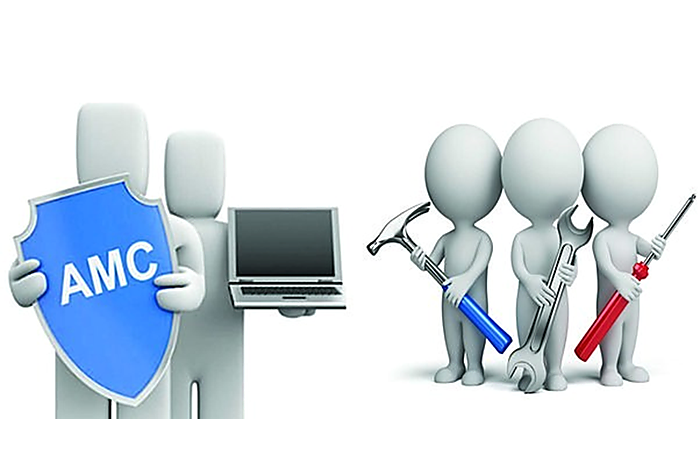
An Annual Maintenance Contract helps organizations keep critical equipment, systems, and facilities running smoothly all year. Instead of reacting to sudden failures, the provider handles scheduled servicing, priority support, and preventive checks. When the scope is clear, an Annual Maintenance Contract reduces downtime, protects budgets, and improves day-to-day reliability—without adding operational stress for the team.
What an Annual Maintenance Contract actually means
At its core, an Annual Maintenance Contract is a service agreement between a customer and a maintenance provider for a fixed period (usually 12 months). The provider commits to maintaining specific assets—such as HVAC units, generators, elevators, IT hardware, security systems, or industrial machinery—based on an agreed schedule and service standards.
Most contracts define:
- Which assets are covered (model numbers, locations, quantity)
- Service frequency (monthly, quarterly, biannual)
- Response times for breakdown calls
- What is included vs. excluded (parts, labor, consumables)
- Reporting and documentation requirements
Why organizations rely on an Annual Maintenance Contract
A well-structured Annual Maintenance Contract is popular because it supports predictability. Breakdowns are expensive—not only due to repair costs, but also because of lost productivity, safety risks, and customer impact. Preventive maintenance is typically cheaper than emergency repairs, and it helps equipment last longer.
Common benefits include:
- Fewer unexpected failures through preventive servicing
- Faster issue resolution due to priority scheduling
- Consistent service quality through standard procedures
- Better budgeting through fixed or planned costs
- Improved compliance where inspections and logs are required
Common types of Annual Maintenance Contract options
Not every Annual Maintenance Contract is the same. Providers often offer variations based on how comprehensive the coverage is.
1) Preventive-only coverage
This approach covers scheduled inspections and servicing, but breakdown repairs may be billed separately.
2) Comprehensive coverage
A more inclusive model where labor (and sometimes parts) are covered for many repair situations, subject to exclusions.
3) Limited or hybrid coverage
A middle-ground plan that covers preventive visits plus a set number of breakdown calls or capped labor hours.
Choosing the right type depends on equipment age, criticality, and how much cost certainty the organization needs.
What should be included in a strong Annual Maintenance Contract
A practical Annual Maintenance Contract is specific. Vague agreements often lead to disputes later. Strong contracts typically include:
- Asset list and scope: exact systems, locations, and boundaries
- Service schedule: frequency, visit plan, and maintenance checklist
- Support coverage: working hours, weekend availability, holiday terms
- Breakdown handling: reporting channel, triage process, escalation path
- Parts policy: included parts (if any), pricing terms, approvals required
- Documentation: visit reports, service logs, issue history, recommendations
- Safety and compliance: certifications, permits, and risk procedures
Service Level Agreements that protect both sides
Many organizations treat the SLA as the most important part of an Annual Maintenance Contract. An SLA turns expectations into measurable commitments.
Typical SLA elements include:
- Response time: how quickly a technician acknowledges or arrives
- Resolution targets: estimated repair completion windows
- Priority levels: critical vs. non-critical faults and how each is handled
- Penalties or service credits: what happens if targets are missed
- Communication rules: updates, reporting frequency, and contact roles
Clear SLAs reduce confusion and create accountability without needing constant follow-ups.
Pricing models and how costs are usually structured
Pricing in an Annual Maintenance Contract depends on asset complexity, service frequency, site accessibility, and coverage depth. The most common pricing structures include:
- Fixed annual fee: a predictable lump sum (often paid monthly or quarterly)
- Tiered pricing: different rates for critical vs. non-critical equipment
- Usage-based add-ons: additional charges for parts, call-outs, or overtime
- Multi-site packages: bundled pricing for organizations with many locations
Cost comparisons should focus on value, not just the lowest quote. A cheaper contract that delays support can be far more expensive in downtime.
How to choose the right provider
Selecting the provider is where an Annual Maintenance Contract either becomes a smooth experience or a constant headache. Smart selection usually involves checking capability, capacity, and clarity.
Key evaluation points:
- Proven experience with the same equipment category
- Technician qualification and certification
- Availability of spare parts and diagnostic tools
- Service coverage area and dispatch speed
- Reporting quality (clear logs, findings, and recommendations)
- Transparency on exclusions and extra charges
A provider that communicates clearly and documents work consistently is often more valuable than one that simply promises “24/7 support.”
Questions that should be answered before signing
Before finalizing an Annual Maintenance Contract, decision-makers typically verify the details that cause issues later. Helpful questions include:
- What exact tasks happen during each scheduled visit?
- Which parts are included, and which are always chargeable?
- Are consumables covered (filters, belts, lubricants), or not?
- What is the escalation process for critical failures?
- How are repeat breakdowns handled—root cause analysis or repeated patchwork?
- What reports will be shared, and how often?
If answers are unclear, the contract should be revised until it becomes straightforward.
Common pitfalls to avoid
Even a good Annual Maintenance Contract can fail if expectations aren’t aligned. Common pitfalls include:
- Unclear scope: “All maintenance” sounds good but often means nothing specific.
- Hidden exclusions: certain parts, site access issues, or emergency hours may be excluded.
- Weak reporting: without logs, the organization cannot track recurring faults or performance.
- No spare-part plan: delays happen if parts sourcing isn’t discussed early.
- Overpromised SLAs: unrealistic response times that cannot be delivered at busy periods.
Avoiding these problems is mostly about clarity and documentation upfront.
Best practices for getting the most value
To maximize results from an Annual Maintenance Contract, organizations tend to manage it like a performance partnership, not a once-a-year purchase.
Best practices:
- Maintain an updated asset register and share it with the provider
- Assign an internal point-of-contact for scheduling and approvals
- Review service reports monthly to spot repeat issues early
- Ask for improvement recommendations, not just routine checklists
- Track downtime and call-out frequency to measure impact
When performance is measured, service quality typically improves.
Where an Annual Maintenance Contract makes the biggest difference
An Annual Maintenance Contract is especially valuable when failure is costly, safety-sensitive, or disruptive. This includes:
- Commercial buildings (HVAC, elevators, fire systems)
- Manufacturing and industrial plants (production machinery, compressors)
- Healthcare facilities (backup power, critical cooling)
- Retail chains (refrigeration, surveillance, access control)
- IT environments (servers, networking, power backup)
In these settings, planned service and faster response often protect revenue and reputation.
A simple implementation plan that works
Rolling out an Annual Maintenance Contract is smoother when the organization uses a step-by-step approach:
- Inventory assets: list equipment, locations, and current condition
- Define priorities: classify critical vs. non-critical systems
- Set service goals: target uptime, response times, and reporting needs
- Finalize scope: convert needs into a clear checklist and visit schedule
- Start baseline checks: first visit should document current health and risks
- Track and review: measure performance quarterly and fix gaps early
This approach prevents “set-and-forget” contracts that deliver minimal value.
Metrics that show whether the contract is working
To evaluate an Annual Maintenance Contract, organizations commonly track:
- Breakdown frequency (month-to-month trend)
- Mean time to respond (MTTR—response)
- Mean time to repair (MTTR—repair)
- Repeat faults on the same asset
- Preventive maintenance completion rate
- Downtime impact on operations
When these numbers improve, the contract is doing what it should.
Renewal and improvement strategy
When renewal time arrives, a smart Annual Maintenance Contract review focuses on data and lessons learned. If recurring issues appear, the scope may need adjustment. If certain assets rarely need support, coverage can be optimized to reduce cost.
A strong renewal process typically includes:
- Reviewing service logs and downtime trends
- Updating the asset list for new or retired equipment
- Adjusting SLAs for realistic performance targets
- Refining parts coverage based on actual failure patterns
Frequently Asked Questions (FAQs)
1. What is an Annual Maintenance Contract?
An Annual Maintenance Contract is a formal agreement between a customer and a service provider for regular inspection, servicing, and repair of equipment over a fixed period, usually one year. It ensures that systems remain in good working condition through preventive and corrective maintenance.
2. Who should opt for an Annual Maintenance Contract?
An Annual Maintenance Contract is suitable for businesses, institutions, and property owners who depend on critical systems such as HVAC, electrical panels, generators, elevators, IT infrastructure, or industrial machinery. It is especially useful where downtime can impact safety, productivity, or revenue.
3. What is usually covered under an Annual Maintenance Contract?
Coverage depends on the selected plan, but most contracts include scheduled inspections, routine servicing, minor repairs, and technical support. Some comprehensive plans may also include labor and selected spare parts, while others may charge separately for replacements.
4. Are spare parts included in an Annual Maintenance Contract?
Not all contracts include spare parts. Some plans cover only labor and preventive visits, while others include limited parts. It is important to clearly check the parts policy before signing to avoid unexpected costs later.
5. How often is maintenance performed under the contract?
Maintenance frequency depends on the agreement and equipment type. Common schedules include monthly, quarterly, or biannual visits. Critical systems may require more frequent inspections to ensure continuous performance.
6. What happens in case of an emergency breakdown?
Most Annual Maintenance Contract agreements include emergency support. The provider responds based on defined SLA timelines. Priority cases usually receive faster attention, depending on the contract terms.
7. Can an Annual Maintenance Contract be customized?
Yes, most providers allow customization. Organizations can adjust coverage, service frequency, response times, and parts inclusion based on their operational needs and budget.
8. How long does an Annual Maintenance Contract last?
Typically, an Annual Maintenance Contract lasts for 12 months. However, some providers offer multi-year agreements with discounted pricing and extended benefits.
9. How does an Annual Maintenance Contract help save money?
By focusing on preventive care, an Annual Maintenance Contract reduces major breakdowns, extends equipment lifespan, and minimizes costly emergency repairs. Predictable pricing also helps in better budget planning.
10. What should be checked before renewing the contract?
Before renewal, organizations should review service reports, downtime records, response performance, and recurring issues. This data helps determine whether the provider is meeting expectations or if changes are needed.
Conclusion
An Annual Maintenance Contract is one of the simplest ways to turn maintenance from reactive firefighting into a planned, measurable system. With clear scope, realistic SLAs, and consistent reporting, an Annual Maintenance Contract helps organizations reduce downtime, extend asset life, and keep costs predictable—while improving overall reliability and peace of mind.