

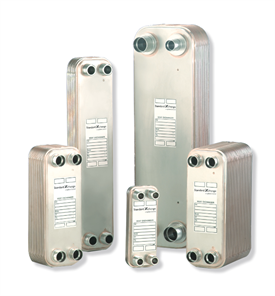
Heat management is an integral part of numerous industrial processes. From manufacturing and chemical plants to power plants and food processing, a wide range of industries rely on transferring heat from one fluid or medium to another. A heat exchanger is often the centerpiece of such operations.
Heat exchanger equipment allows for effective and controlled thermal energy exchange between two media, be it liquid or gaseous, without them mixing with each other. Moreover, the right heat exchanger will allow the plant to control temperatures and optimize the process to make sure no energy is wasted. Reputable suppliers like Kinetic Engineering Corporation can provide the industrial sector with a wide range of thermal equipment and heat transfer products.
Everything You Need to Know About Heat Exchangers
In general, a heat exchanger is a device that facilitates the transfer of heat from one fluid to another. It is important to note that the fluid can be gaseous or liquid, water or steam, oil or even chemical solutions. The principle of industrial heat exchanger operation is rather simple: one fluid loses heat, and another gains it. The exchanger itself allows their interaction via a separating wall made of a material that conducts heat well. Due to the various applications and operating conditions, there are many types of heat exchangers .
Heat Exchanger Types: Shell-and-Tube, Plate, and Others
Thermal equipment comes in many types and sizes, allowing industries to choose the right industrial heat equipement for their specific needs and applications. In general, their classification is based on the fluids’ temperatures and pressures, the physical properties of the fluids, the amount of space available for installation, and the heat-transfer surface area. For example, shell-and-tube heat exchangers are used in high-pressure and extreme-temperature conditions, whereas plate heat exchangers are smaller and allow for higher efficiency.
Other details, such as the fluid’s viscosity and whether it is clean or dirty, can also affect the choice of an industrial heat exchanger.
Why Your Industry Needs Thermal Equipment Consultation
An experienced engineer knows that an industrial heat exchanger is a complex piece of equipment that must be properly sized and selected to meet the needs of a specific process. The operating temperatures and pressures, the fluid’s properties, and its flow rate must be taken into account. Moreover, the materials of the exchanger must be compatible with the fluid to prevent corrosion or deterioration. Ultimately, a reliable industrial heat exchangers is crucial to ensure steady performance and avoid expensive mistakes during operation.
The selection of thermal equipment involves proper engineering to make sure its performance meets the requirements of an industry. Thus, it is important to choose the right partner who will consider your options and provide you with engineering services based on your needs rather than forcing you to buy a particular product.
Everything You Should Know About Heat Transfer Products
An industry’s thermal management system rarely consists of a single piece of equipment. In fact, such systems usually comprise several heat transfer products that, working together, ensure the steady performance of a heat exchanger and a process. In particular, the materials of construction are vital, as they determine the equipment’s resistance to pressure, temperature, fluid viscosity, and other conditions. Industrial thermal systems are exposed to highly aggressive chemicals and operate under extreme temperatures 24/7, so material selection is an integral part of engineering services. Consulting an experienced partner is essential in order to choose the best thermal equipment and materials for your project.
Heat Exchanger Applications and Their Role in Various Industries
A vital part of any industrial process that involves managing the temperature of a fluid. In particular, they are used to cool and condense gases, dissipate heat from liquids in enclosed spaces, provide the process with the necessary thermal energy, and perform many other functions. In chemical processing, heat exchangers are used to regulate the temperatures of various reactions. In manufacturing, they enable a wide range of applications, from cooling to food production. In general, the equipment serves in power plants, petrochemical, oil and gas, HVAC, and food processing industries. However, when choosing a heat exchanger for a specific application, it is important to keep in mind that the operating conditions of various industries are highly different. Thus, the equipment must be properly sized and engineered in order to resist the effects of a specific environment.
Everything You Need to Know About Tema Heat Exchanger
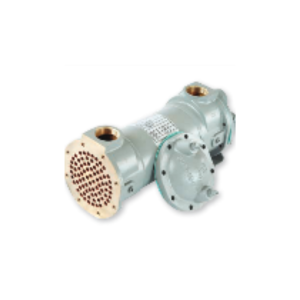
Generally, a tema heat exchanger is a shell-and-tube heat exchanger that meets the industry standard specifications of the Tubular Exchanger Manufacturers Association. In other words, this equipment is designed to meet the requirements of the TEMA standards. The organization sets guidelines for building various shell-and-tube heat exchangers. Therefore, the term Tema heat exchanger refers to equipment that adheres to the relevant construction rules and regulations established by the mentioned organization, and which are used for constructing industrial-grade heat exchangers.
When choosing thermal equipment for a specific application, engineers should not only consider its operating conditions but also evaluate the applicable standards. In addition to TEMA, there are several other standards to consider. However, an experienced engineer will take into account these details and choose the equipment that will meet the requirements of your project.
Heat Exchanger and the Importance of Thermal Energy Exchange Optimization
It is also important to remember that heat exchanger performance is affected by various factors. The flow rate, temperatures, and pressures, as well as fouling, can affect the efficiency of the equipment. Regular maintenance ensures that the exchanger operates at peak efficiency. The optimal performance is also influenced by the design of a heat transfer product. In high-pressure, extreme-temperature applications, it is necessary to take a customized engineering approach to choose the exchanger that will meet all specifications and optimize the performance.
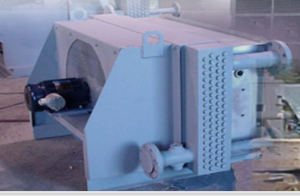
Choosing the Best Engineering Partner for Your Thermal Project
When looking for a supplier of thermal equipment, an industry should consider more factors than cost. A company must choose a partner that offers engineering services and can recommend the best products. In particular, a company should ask about a supplier’s experience, engineering services, production capabilities, and customer support. Kinetic Engineering Corporation specializes in collaborating with industries that seek engineered heat-transfer solutions. We provide our clients with the required equipment based on their specifications, and adhere to the highest engineering principles. By taking into account the specifics of your project, we create solutions for industrial heat exchanger manufacturing that ensure the best performance for your application. Our company offers our customers thermal equipment, including shell-and-tube exchangers, Tema heat exchangers, or any other products that suit their needs. Choosing the right engineering partner is crucial to design and manufacture a heat exchangers that will meet the requirements of an industrial process.
Thermal Energy Exchanger as the Heart of the Industrial Sector
A wide range of industries relies on the performance, which is why it is important to choose the right equipment to optimize its performance. Whether an industry needs standard thermal equipment or a high-performance industrial heat exchanger, the choice is based on the specific application and operating conditions. Understanding the peculiarities of the process and the equipment allows a company to choose the best industrial heat exchanger and make the right choice when selecting materials and products. By collaborating with a reliable engineering partner like Kinetic Engineering Corporation, an industry can ensure that it obtains high-quality thermal equipment that is designed to meet its needs.
Frequently Asked Questions
1. What is the purpose of a heat exchanger?
A heat exchanger is used to facilitate the transfer of heat from one fluid to another. The equipment is commonly used to warm or cool a specific medium, recover waste heat, and control the temperatures within an enclosed space.
2. What is TEMA heat exchanger, and what are its benefits?
A tema heat exchanger is a shell-and-tube heat exchanger that complies with the relevant TEMA standards. In general, those standards set the rules governing the construction and operation of various shell-and-tube heat exchangers and thermal equipment. Therefore, a tema heat exchanger is engineered to meet specified requirements and offer superior performance capabilities.
3. How to choose an industrial heat exchanger?
A heat exchanger choice depends on a number of factors related to the process and the fluid, including its temperatures, pressures, flow rate, specific heat capacity, and others. The industry must also consider the required power, the size of the equipment, the space available for its installation, and the materials of construction. By following the proper engineering approach, it is possible to choose the right thermal equipment and optimize the performance of an industrial process.
4. Why are important in the industrial sector?
Heat transfer products are used in a wide range of industries, including the manufacturing, chemical processing, and power sectors. By choosing the right thermal equipment, an industry can ensure process optimization and stable performance of a heat exchanger.





























Leave a Reply